


Sabarimala Case: Supreme Court Highlights Legislative Role in Religious Superstition
The CSR Journal Magazine

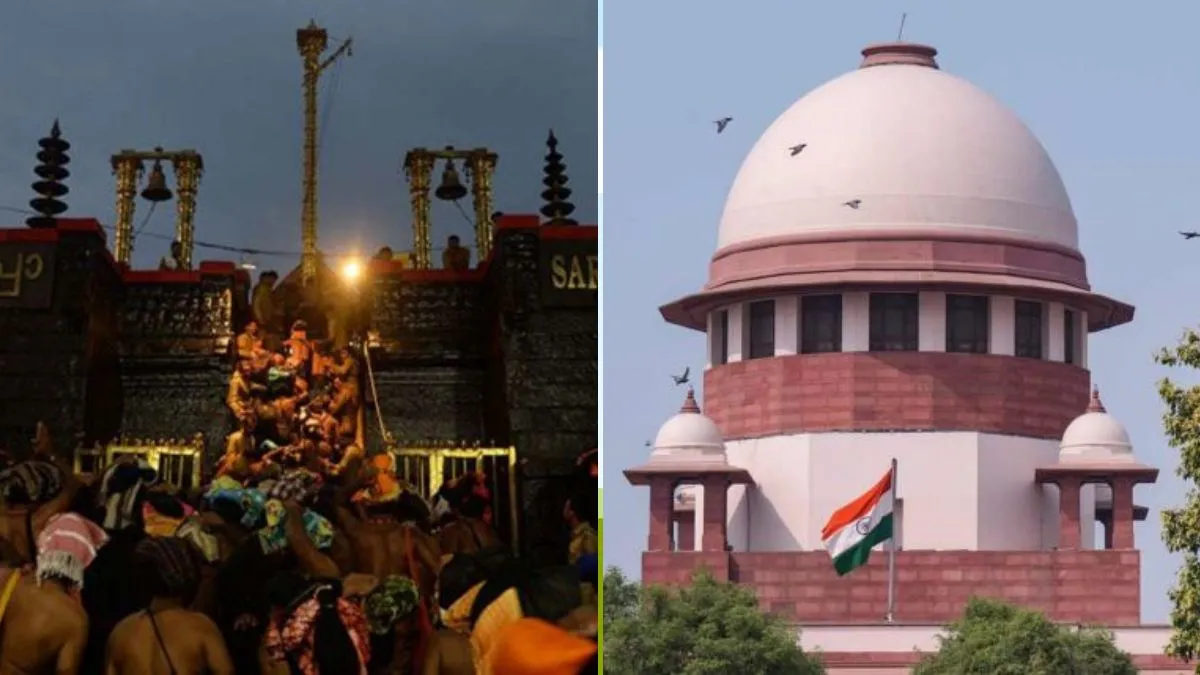
The Supreme Court of India has asserted that the decisions made by the legislature are not the final authority regarding what constitutes religious superstition. This statement emerged during hearings surrounding the ongoing legal battle concerning the Sabarimala temple, which has been a focal point of both legal and religious debates in the country.

Background of the Sabarimala Dispute

The Sabarimala temple, located in Kerala, has been the center of significant controversy due to its policies restricting the entry of women of menstruating age. These restrictions were challenged in the Supreme Court, which in 2018, had lifted the ban, asserting the right to equality and access to worship. However, the ruling faced backlash from various religious groups, leading to petitions requesting a re-evaluation of the court’s decision.

Recent Court Proceedings

Diving deeper into the complexities of the case, the Supreme Court remarked that legislative actions should not be seen as the definitive interpretation of religious practices. The bench underscored that the court has the responsibility to analyze the dimensions of traditions and customs in light of constitutional rights. This approach emphasizes the judiciary’s role in safeguarding individual freedoms while simultaneously respecting religious sentiments.

Arguments Presented by Petitioners

The petitioners, advocating for gender equality, argued that the existing practices at Sabarimala violate the principles of the Constitution, particularly the Right to Equality. They contended that restricting women’s entry into the temple is rooted in archaic superstitions rather than genuine religious beliefs. The petitioners highlighted the need for a progressive interpretation of customs that align with modern societal values.

Counterarguments from Respondents

Respondents, representing traditional perspectives, articulated that the temple’s customs are vital to its identity and cultural heritage. They argued that legislative or judicial interference might undermine the spiritual integrity of the practices observed by devotees. Furthermore, they emphasized that the restrictions are not discriminatory but rather part of the temple’s unique traditions that followers hold dear.

Implications of the Supreme Court’s Stance

The Supreme Court’s position may have broader implications for similar cases involving religious practices across the country. By indicating that legislative definitions of superstition may not be conclusive, the court opens avenues for legal challenges against other traditional practices that may conflict with constitutional principles. This could potentially reshape the landscape of religious freedoms and gender rights in India.

Future Hearings Scheduled

As the Supreme Court continues to deliberate on the Sabarimala case, subsequent hearings are anticipated to explore deeper implications of the relationship between religious traditions and constitutional rights. The court’s eventual ruling could set significant precedents, influencing how similar disputes are resolved in the future. The ongoing discussions reflect an essential balancing act between honoring religious customs and upholding fundamental rights.

Long or Short, get news the way you like. No ads. No redirections. Download Newspin and Stay Alert, The CSR Journal Mobile app, for fast, crisp, clean updates!

App Store –  https://apps.apple.com/in/app/newspin/id6746449540 

Google Play Store – https://play.google.com/store/apps/details?id=com.inventifweb.newspin&pcampaignid=web_share

Latest News

Popular Videos
