


app-store-logo
play-store-logo
March 12, 2026

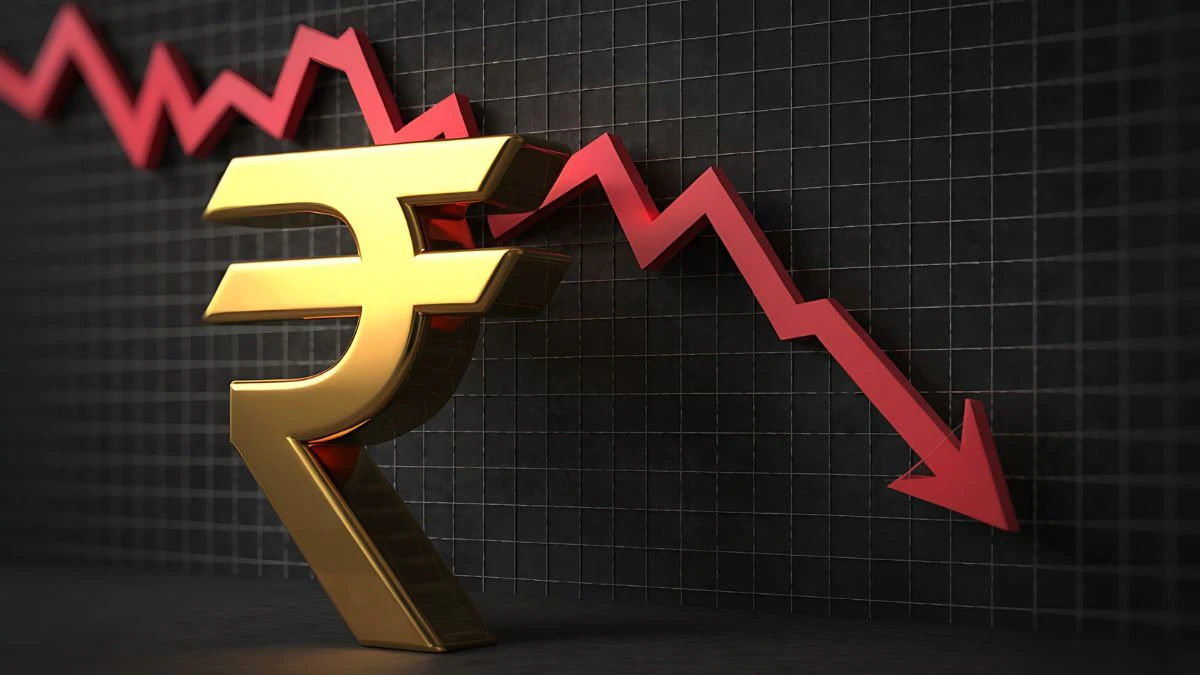
Rupee Falls to Historic Low of Rs 92.36 Against the US Dollar
The CSR Journal Magazine

The Indian rupee has plunged to an all-time low of Rs 92.36 against the US dollar, as of Thursday. This decline has been attributed to several factors including soaring crude oil prices, a strengthened US dollar, and ongoing foreign investor withdrawals from the market. Global markets have reacted sharply to rising tensions in West Asia, which, coupled with Brent crude oil prices surging above $100 per barrel, has intensified pressure on the rupee.

Increasing Crude Oil Costs

A prominent factor contributing to the rupee’s depreciation is the substantial rise in crude oil prices. India is heavily reliant on imports for over 80% of its crude oil requirements, meaning that increases in oil prices lead to a higher import bill. This situation heightens the demand for US dollars from domestic oil companies, exerting further downward pressure on the rupee. The recent attacks on two oil tankers in Iraqi waters have instigated worries about potential disruptions to global energy supplies, prompting a surge in oil prices.

Strengthening US Dollar

The US dollar has gained strength against a range of global currencies as investors shift their funds into safer assets amidst escalating geopolitical tensions. This transition towards the dollar has adversely affected emerging market currencies, including the rupee. The stronger dollar makes it more difficult for the rupee to maintain its value, leading to increased volatility in currency exchange rates.

Ongoing Foreign Investor Withdrawals

Continuous selling by foreign institutional investors in Indian equity markets has further exacerbated the rupee’s decline. When these investors withdraw capital from Indian markets, they typically convert their holdings from rupees to dollars, thus increasing the demand for the US currency. This conversion accelerates the depreciation of the rupee, resulting in further concerns for the Indian economy.

Implications of a Weaker Rupee

The depreciation of the rupee has several potential implications. A weaker currency raises the costs of imports such as crude oil, electronics, and various other goods, which could contribute to rising inflation. Conversely, certain sectors may benefit; for example, information technology and pharmaceutical companies often see an increase in the value of their overseas earnings when converted back into rupees. Despite these varying effects, the currency markets are presently characterized by volatility, as investors monitor developments in West Asia, fluctuations in oil prices, and international capital trends closely.

Long or Short, get news the way you like. No ads. No redirections. Download Newspin and Stay Alert, The CSR Journal Mobile app, for fast, crisp, clean updates!

App Store –  https://apps.apple.com/in/app/newspin/id6746449540 

Google Play Store – https://play.google.com/store/apps/details?id=com.inventifweb.newspin&pcampaignid=web_share

Latest News

Popular Videos
