


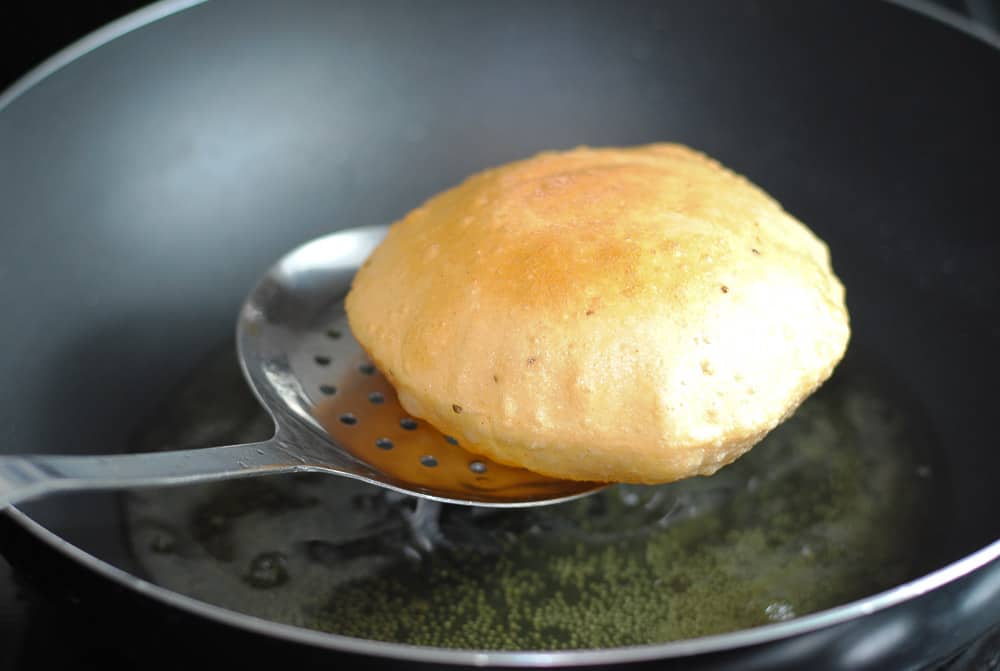

We often make deep fried items like puri, pakoras and bhajiyas which require pouring a lot of excess oil in the kadhai/fry pan. Otherwise it will not give the desired flavour. But many times after cooking, we carefully save the excess oil for reusing in future. We cook another item with the same oil, which is a common practice in almost every Indian household. But if this continues for a long time, it is hazardous for your health!
The Food Safety and Standards Authority of India (FSSAI) advises that reusing cooking oil should be avoided as much as possible, but if it is reused, it should be reheated a maximum of three times. The primary rule is that oil with a Total Polar Compound (TPC) level above 25% is unfit for consumption and cannot be used for frying. The FSSAI also prohibits topping up used oil with fresh oil and requires that discarded oil be disposed of properly, ideally through authorized collection agencies for use in products like biofuel.
Reuse oil once only if it’s still clear and odour‑free. Keep a dedicated container for collection to avoid mix‑ups.
FSSAI’s guidelines for street food vendors
For street food vendors and other small Food Business Operators (FBOs), the FSSAI suggests to avoid reuse where possible; it is ideal to use oil only once. Street vendors are advised to not use the same oil for frying more than three times. They are suggested to not top up used, denatured oil with fresh oil once it has reached the end of its healthy life. Street food vendors should filter the cooking oil frequently to remove food particles, which slow the oil’s deterioration. They should dispose of oil when indicators of degradation appear, such as the formation of a tough foam, the oil becoming dark and murky, a change in consistency, or the appearance of blue-grey smoke.
How does cooking food in reheated oil harm our body?
Reheating oil, especially oil that’s been used multiple times, can be harmful to the body due to several chemical changes that occur. Reheated oil undergoes oxidation, leading to the formation of free radicals, which can cause oxidative stress and damage cells. Repeated heating can convert cis-unsaturated fats to trans fats, which are harmful to cardiovascular health.
Starchy foods cooked at high temps in reheated oil can form acrylamide, a potential carcinogen. Polycyclic Aromatic Hydrocarbons (PAHs) are formed when oil is heated to high temperatures, these are known carcinogens. Compounds like 4-hydroxynonenal (4-HNE) and malondialdehyde (MDA) are toxic and can lead to inflammation and disease.
Risk of cancer and cardiovascular disease
Eating food cooked with such oil increases the risk of diseases such as high blood pressure, cholesterol, stroke, stomach problems. Not only that, the risk of heart disease increases many times. In addition, intestinal health is also affected.
Long-term consumption of reheated oil has been linked to higher cancer risk. Trans fats and oxidative stress contribute to heart disease. Toxic compounds can damage the liver. Chronic inflammation can happen due to harmful compounds.
Therefore, just as we should be aware of the quality of food before eating outside, similarly, we should also be careful not cook with the same oil repeatedly when cooking at home.
How to Properly Dispose of Used Cooking Oil
Cool & Strain – Let the oil cool completely. Pour it through a fine sieve or cheesecloth into a container to remove food bits.
Store for Recycling – Transfer to a sealable, non‑breakable bottle (plastic or glass). Label it “Used Cooking Oil” and keep it away from heat/sunlight.
Many cities have designated drop‑off points for used oil. Scrap Dealers/Kabadiwala accept used oil for recycling in most Indian cities. Some NGOs and private firms collect oil for conversion to biodiesel—check if there’s a partner near you.
Remember, do not pour oil down the sink – it clogs pipes and harms sewage systems. You can mix oil with absorbent material (sawdust, cat litter, or flour), let harden, then toss in trash.