


‘Not My Well-Wishers’: Teen Woman Wins Right To Live With Man Of Choice In MP
The CSR Journal Magazine

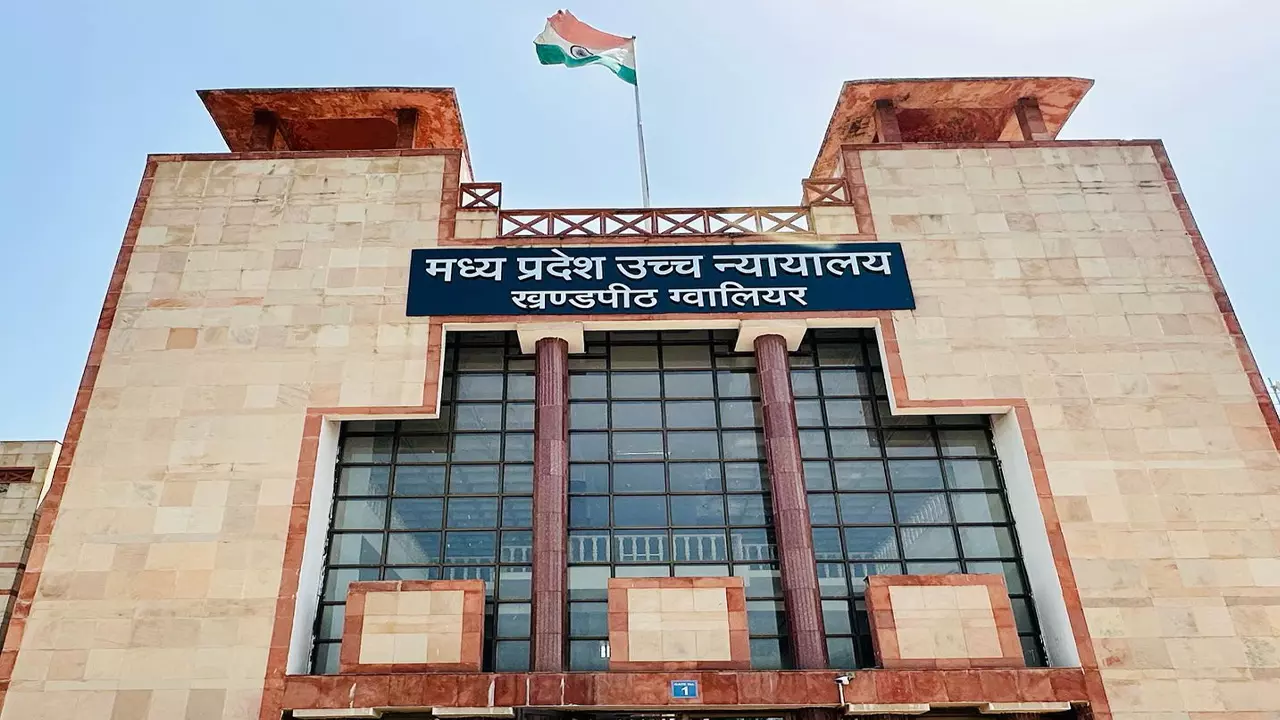
In a significant order emphasising personal liberty, the Madhya Pradesh high court’s Gwalior bench has permitted a 19-year-old married woman to live independently with a man of her choice after she alleged mistreatment by her husband and lack of support from her parents.

The April 2 ruling came on a habeas corpus petition filed by the husband, who claimed that his wife had been unlawfully confined by another man. However, the court dismissed the plea after the woman, an adult, clearly stated that she was living of her own free will and did not wish to return either to her husband or her parental home.

Court Upholds Autonomy Of Adult Woman

The division bench of Justices Anand Pathak and Pushpendra Yadav recorded the woman’s statement in court in the presence of all concerned parties, including her husband, parents and the man she is currently living with. She asserted that her husband, who is over 40 and more than twice her age, had subjected her to ill-treatment, and that her parents were “not my well-wishers”.

When asked about her future, the woman categorically expressed her desire to stay with the man accused in the petition. She told the court that he provided her with the independence she sought and that there was no question of returning to her previous circumstances.

Government advocate Anjali Gyanani, who was appointed to counsel the woman privately, informed the bench that the woman remained firm in her decision to leave a marriage marked by “discord rather than harmony”.

Habeas Corpus Petition Declared Infructuous

The court held that since the woman is a major and acting voluntarily, the habeas corpus petition no longer held merit and had effectively “outlived its purpose”. The ruling reinforces the legal position that an adult has the right to choose where and with whom to live, regardless of marital status, provided the decision is made without coercion.

The man with whom the woman is currently residing was also questioned by the court. He acknowledged his feelings for her and stated that he intends to marry her after her divorce. He further assured the bench that he would care for her and would not subject her to any form of harassment.

Shourya Didi Framework Invoked For Protection

While allowing the woman to live independently, the court directed that she be placed under the Shourya Didi framework for a period of six months. Under this arrangement, she will receive mentorship and support from designated individuals to ensure her safety and well-being during the transition.

Advocate Anjali Gyanani and a woman constable, Bhavna, who had presented the woman before the court, were appointed as her Shourya Didis.

The Shourya Didi concept was evolved by the Gwalior bench in 2024 in the case of Harchand Gurjar vs State of Madhya Pradesh. It envisions a support system involving female police personnel or qualified individuals acting as mentors for women and girls in vulnerable situations, including those requiring care, protection or legal guidance.

The court’s decision underscores a broader judicial commitment to safeguarding individual autonomy while balancing it with structured support mechanisms for those navigating complex personal circumstances.

Long or Short, get news the way you like. No ads. No redirections. Download Newspin and Stay Alert, The CSR Journal Mobile app, for fast, crisp, clean updates!

App Store –  https://apps.apple.com/in/app/newspin/id6746449540 

Google Play Store – https://play.google.com/store/apps/details?id=com.inventifweb.newspin&pcampaignid=web_share

Latest News

Popular Videos
