


No Personal Oral Hearing Required Before Classifying Bank Accounts as Fraud: Supreme Court
The CSR Journal Magazine

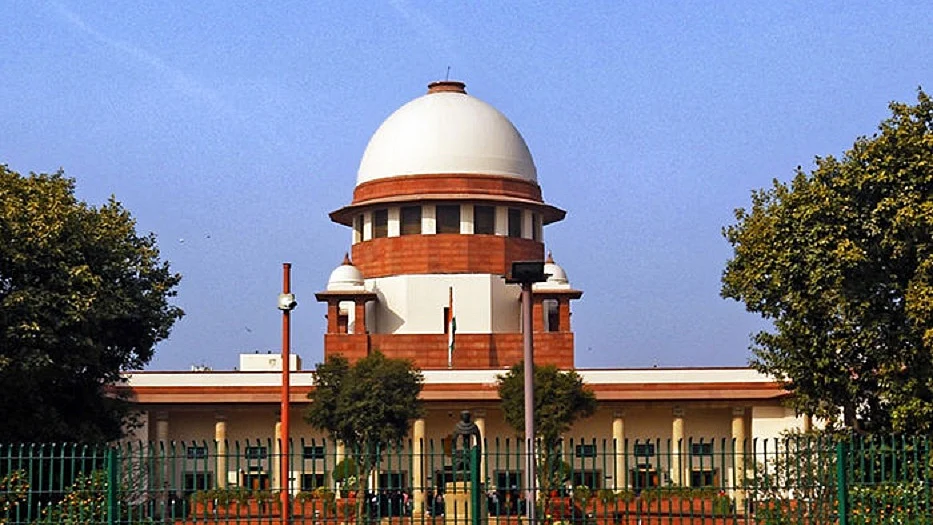
The Supreme Court of India has determined that it is not necessary to provide individuals with a personal oral hearing before their bank accounts can be marked as fraudulent. This decision comes in response to a specific case where the issue of account designation was challenged in court. The judgement pronounced by the bench emphasized that the principles of natural justice do not mandate a personal hearing prior to designating an account as fraudulent.

Context of the Judgement

The ruling was made in the context of the legal framework governing banking practices and fraud investigations. The case involved the finer points of how banks manage and report cases of suspected fraud, which can have significant implications for account holders. The court observed that while the principles of natural justice are foundational to judicial processes, they are not absolute and may be subject to the operational modalities of banking regulations.

Details of the Case

The legal challenge was brought forth by an individual whose account was labeled as fraudulent without an in-person hearing. The appellant argued that the lack of a personal hearing violated rights to due process. The Supreme Court, however, ruled that banks are obligated to act in accordance with their regulatory frameworks, which allow for the classification of accounts suspected of fraud based on established protocols.

Implications for Bank Policies

This judgement is expected to influence how financial institutions handle accounts deemed fraudulent. Banks typically rely on a combination of technologies and transaction patterns to identify potential fraud cases, which can result in immediate account restrictions to protect the financial ecosystem. The court upheld that such actions, while impactful for account holders, can be justified under current regulations without necessitating a personal hearing.

Feedback from Legal Experts

Legal experts have noted that this decision clarifies the balance between protecting individual rights and the operational needs of banks in fraud management. The absence of a personal hearing does not remove the possibility for individuals to contest the decision through other judicial avenues. This allows for individuals to seek recourse without undermining the efficiency of banking operations.

Future of Banking Regulations

The Supreme Court’s ruling may lead to modifications in how banks design their internal processes for fraud detection and account management. Financial institutions may need to enhance their communication protocols to ensure users are informed of their account status, especially when an account is flagged as fraudulent. This judgement reinforces the importance of maintaining robust fraud prevention systems while also recognizing individuals’ rights within the regulatory framework.

Conclusion of Proceedings

This ruling marks a significant development in the ongoing discourse regarding banking operations and the protection of consumer rights. As financial systems evolve and the nature of banking transactions changes, this judgement may serve as a guiding principle for future cases and regulatory adjustments in the sector. The court’s emphasis on facilitating banking efficiency while addressing potential violations of individual rights will likely shape the future landscape of financial jurisprudence in India.

Long or Short, get news the way you like. No ads. No redirections. Download Newspin and Stay Alert, The CSR Journal Mobile app, for fast, crisp, clean updates!

App Store –  https://apps.apple.com/in/app/newspin/id6746449540 

Google Play Store – https://play.google.com/store/apps/details?id=com.inventifweb.newspin&pcampaignid=web_share

Latest News

Popular Videos
