


app-store-logo
play-store-logo
February 20, 2026

New Initiatives Unveiled to Mitigate Heat Impacts in India at Mumbai Climate Week
The CSR Journal Magazine

South Asia is experiencing a significant rise in temperatures, with levels often exceeding 50°C before the onset of the monsoon in countries like India and Pakistan. This severe heat poses serious health risks, resulting in an alarming number of casualties, exceeding 2 million heat-related deaths annually in the region. In 2024 alone, extreme temperatures in India led to a staggering loss of 247 billion work hours, translating to approximately USD 194 billion in lost income, predominantly affecting sectors such as agriculture and construction. Vulnerable groups, including children, pregnant women, the elderly, and outdoor laborers, are disproportionately impacted by the harsh heat.

Key Projects Launched at Mumbai Climate Week

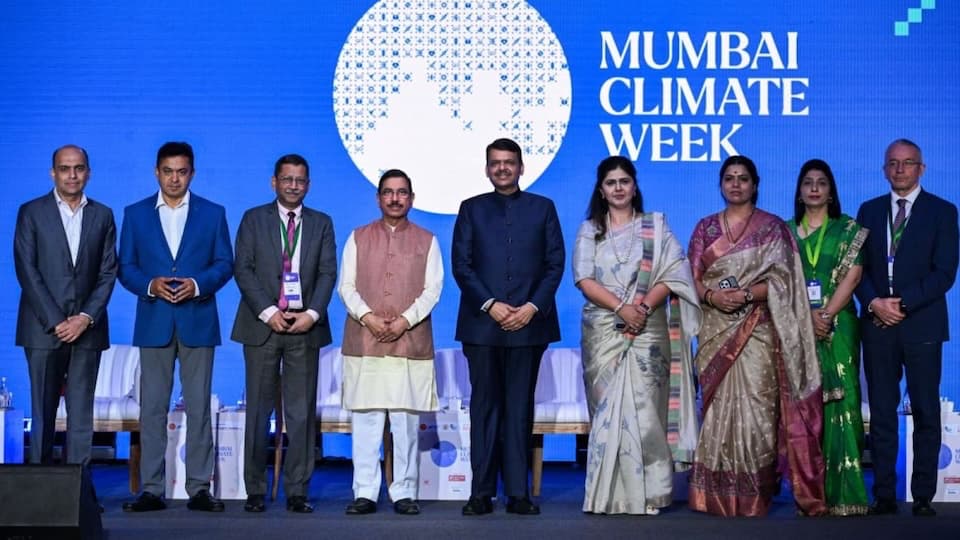
On February 20, 2026, during the Mumbai Climate Week, significant initiatives aimed at addressing the heat crisis were announced by key partners. The WHO-WMO Climate and Health Joint Programme, in collaboration with The Rockefeller Foundation and Wellcome, introduced two pivotal projects. Funded with USD 11.5 million from The Rockefeller Foundation and Wellcome, these projects specifically target South Asia, recognized as one of the most densely populated regions facing climate-related threats.

The first initiative is called the South Asia Climate-Health Desk, which is being led by the Indian Institute of Tropical Meteorology (IITM) in partnership with the India Meteorological Department (IMD) and other organizations. This desk aims to convert climate and weather data into actionable health protection measures. The second initiative is the South Asia Scientific Research Consortium, spearheaded by the Indian Institute of Science Education and Research (IISER) Pune. This consortium will investigate the impacts of heat on various demographics, analyzing factors such as living conditions, occupations, and local environments. The overarching goal is to establish improved heat risk thresholds and enhance preparedness, response plans, and warning systems tailored for the region’s vulnerabilities.

Potential Impact of the Initiatives on Public Health

These initiatives are the first steps in a broader strategy under the WHO-WMO Joint Programme, which includes the Global Heat Health Information Network. UN Secretary-General Antonio Guterres and WMO Secretary-General Professor Celeste Saulo emphasized the critical need for immediate action to reduce heat-related fatalities through effective strategic planning. Experts Dr. Naveen Rao from The Rockefeller Foundation and Dr. Alan Dangour from Wellcome underscored the importance of implementing scientifically informed solutions to lower risks and develop resilient health systems. With these initiatives, South Asia is emerging as a leader in integrating research, forecasting, and health responses to safeguard its populace against the escalating dangers posed by extreme heat.

Long or Short, get news the way you like. No ads. No redirections. Download Newspin and Stay Alert, The CSR Journal Mobile app, for fast, crisp, clean updates!

App Store –  https://apps.apple.com/in/app/newspin/id6746449540 

Google Play Store – https://play.google.com/store/apps/details?id=com.inventifweb.newspin&pcampaignid=web_share

Latest News

Popular Videos
