


app-store-logo
play-store-logo
February 23, 2026

Netanyahu Announces Strategic Coalition with India, Greece and Cyprus to Counter Radical Forces in Middle East

The CSR Journal Magazine

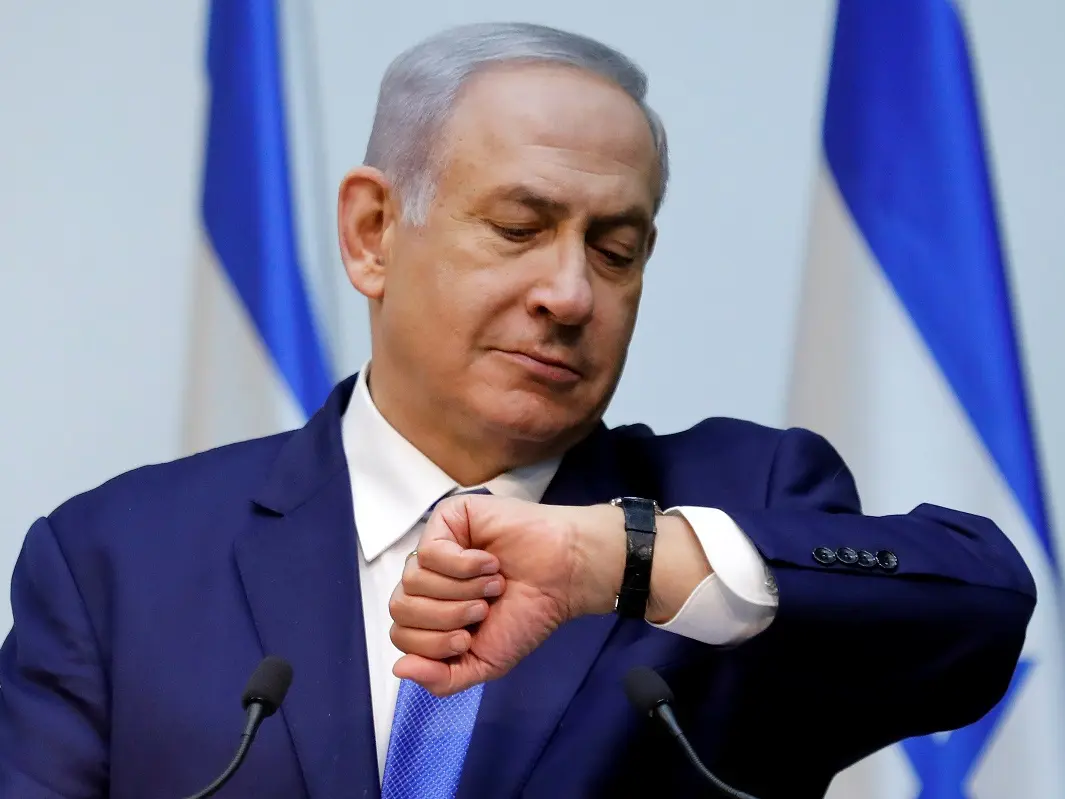
Israeli Prime Minister Benjamin Netanyahu recently declared plans to establish a coalition of nations in the Middle East aimed at collectively opposing what he referred to as “radical” adversaries. This announcement occurred during a press briefing in advance of an expected visit from Indian Prime Minister Narendra Modi, who is seen as a key partner in this initiative. Netanyahu emphasized the significance of forming an “axis of nations that see eye to eye,” which will include India, Greece, Cyprus, and various other Arab, African, and Asian countries.

Strategic Vision for a Hexagonal Alliance

Netanyahu articulated his vision for creating a comprehensive alliance system in or around the Middle East. He described this framework as a “hexagon” of partnerships designed to address shared challenges and goals against both a “radical Shia axis” and an “emerging radical Sunni axis.” His comments underscored Israel’s ongoing military actions aimed at weakening adversaries, particularly those aligned with Iran, such as Hezbollah in Lebanon.

India’s Role and Commitment

In response to Netanyahu’s statements, Prime Minister Modi expressed strong agreement on the partnership between India and Israel. Modi emphasized the depth of the bilateral relationship, which is characterized by mutual trust, innovation, and a shared commitment to peace and progress. He noted that India values its enduring friendship with Israel, further reinforcing the bond that has been built over time.

Context of Ongoing Conflicts

The remarks from Netanyahu come amidst ongoing tensions related to Israel’s military actions in Gaza, which have contributed to a decline in relations with several predominantly Sunni Muslim nations. Notably, countries such as Turkey and Saudi Arabia have vocally criticized Israel’s tactics, with Turkish President Recep Tayyip Erdoğan condemning Netanyahu’s actions and Saudi Arabia accusing Israel of committing genocide. These conflicts have raised questions regarding the future of normalization efforts between Israel and Saudi Arabia, particularly following recent objections to Israel’s policy decisions concerning Somalia and the West Bank.

Shifts in Regional Dynamics

The landscape of regional relationships has shifted dramatically since the eruption of violence in Gaza and Israel’s subsequent military operations. Despite striving for stronger ties with Arab and Muslim states under the framework of the Abraham Accords, Israel faces significant challenges. The accords, designed to enhance Israel’s regional standing, have led to flourishing relationships with the United Arab Emirates, Bahrain, and Morocco, although the prospects for deepening ties with traditional Sunni powers appear increasingly tenuous.

Concerns Over Radical Sunni Axis

Netanyahu briefly touched upon the topic of the “emerging radical Sunni axis” without providing specific details, although he has previously identified the Muslim Brotherhood as a principal component of this entity. The Israeli Prime Minister’s remarks indicate a strategic focus on addressing various forms of extremism while building alliances with countries that share common interests against perceived threats.

Long or Short, get news the way you like. No ads. No redirections. Download Newspin and Stay Alert, The CSR Journal Mobile app, for fast, crisp, clean updates!

App Store –  https://apps.apple.com/in/app/newspin/id6746449540 

Google Play Store – https://play.google.com/store/apps/details?id=com.inventifweb.newspin&pcampaignid=web_share

Latest News

Popular Videos