


Nepal Utilises DNA Testing to Identify Devastating Flood Victims
The CSR Journal Magazine

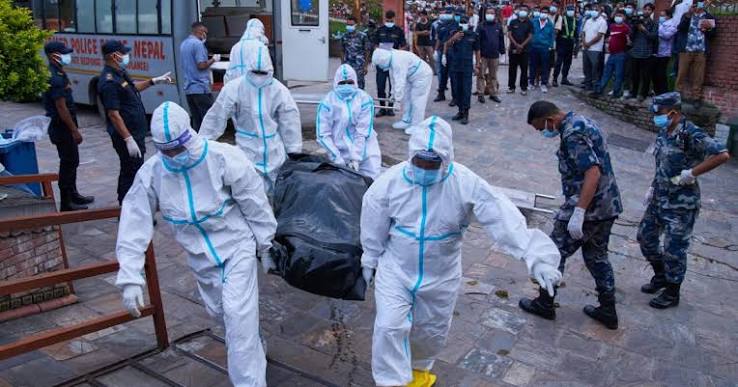
Nepal is employing DNA testing as a crucial method to identify the bodies recovered following the devastating floods that occurred on August 26. Hundreds of families are reportedly searching for missing relatives, turning to forensic science to help establish identities. This approach is central to alleviating long days of uncertainty for grieving families.

In a particularly poignant case, family member Amrit Diyali encountered a severed hand carried downstream by the floodwaters, which he believed resembled that of his younger brother, Raj Kumar. Raj Kumar has been missing since the floods, alongside his wife Shriti and their four-year-old son Siraj. This discovery has turned into an emotional ordeal rooted in hope and dread for the Diyali family.

Efforts to Compile DNA Samples

The Nepalese police have collected 2,272 DNA samples to assist in the identification process, comprising 1,260 samples from deceased individuals and 1,012 from family members. As reported, 1,030 bodies have already been interred after completing necessary identification procedures, which include DNA testing. Among these deceased individuals, there are 222 women, 355 men, and 453 bodies whose gender could not be ascertained.

Raj Kumar, aged 33, along with his 30-year-old wife and four-year-old son, resided in Syaphrubesi in Rasuwa district during the floods. After the disaster struck, relatives searched along the river towards Chitwan and Nawalpur, desperately overturning debris in hopes of locating the missing family. Following a five-day search, Avinash, Amrit’s nephew, found the severed hand and subsequently informed Amrit.

Amrit has sent the hand for DNA testing at the National Forensic Science Laboratory in Kathmandu, with the sample being the 182nd in line for analysis. He stated that regardless of the outcome, confirmation of any connection to his brother would provide some form of closure for the family.

Support Initiatives by Nepal Police

In light of the extensive challenge posed by the scale of the disaster, which has resulted in widespread destruction along the Bhotekoshi River, local authorities have opened a DNA sample collection centre in Bidur, Nuwakot. This initiative aims to help families of missing individuals provide samples without the necessity of travelling to Kathmandu, thereby streamlining the identification process.

Deputy Inspector General of Nepal Police Hospital, Dr Damodar Poudel, emphasised the importance of samples from close relatives, such as parents and siblings, for effective comparison with DNA obtained from unidentified bodies. He noted that this method is particularly valuable given the difficulties associated with identifying flood victims due to the condition of recovered remains.

Furthermore, authorities have made details of 1,270 unidentified bodies available on the Nepal Police website, allowing families to check if their missing loved ones are among those recovered. For families like the Diyalis, this initiative is not solely focused on identification, but also aims to provide the certainty required to conduct final rites for their loved ones.

Long or Short, get news the way you like. No ads. No redirections. Download Newspin and Stay Alert, The CSR Journal Mobile app, for fast, crisp, clean updates!

App Store –  https://apps.apple.com/in/app/newspin/id6746449540 

Google Play Store – https://play.google.com/store/apps/details?id=com.inventifweb.newspin&pcampaignid=web_share

Latest News

Popular Videos
