


app-store-logo
play-store-logo
March 13, 2026

NASA Uncovers Lake Untersee in Antarctica
The CSR Journal Magazine

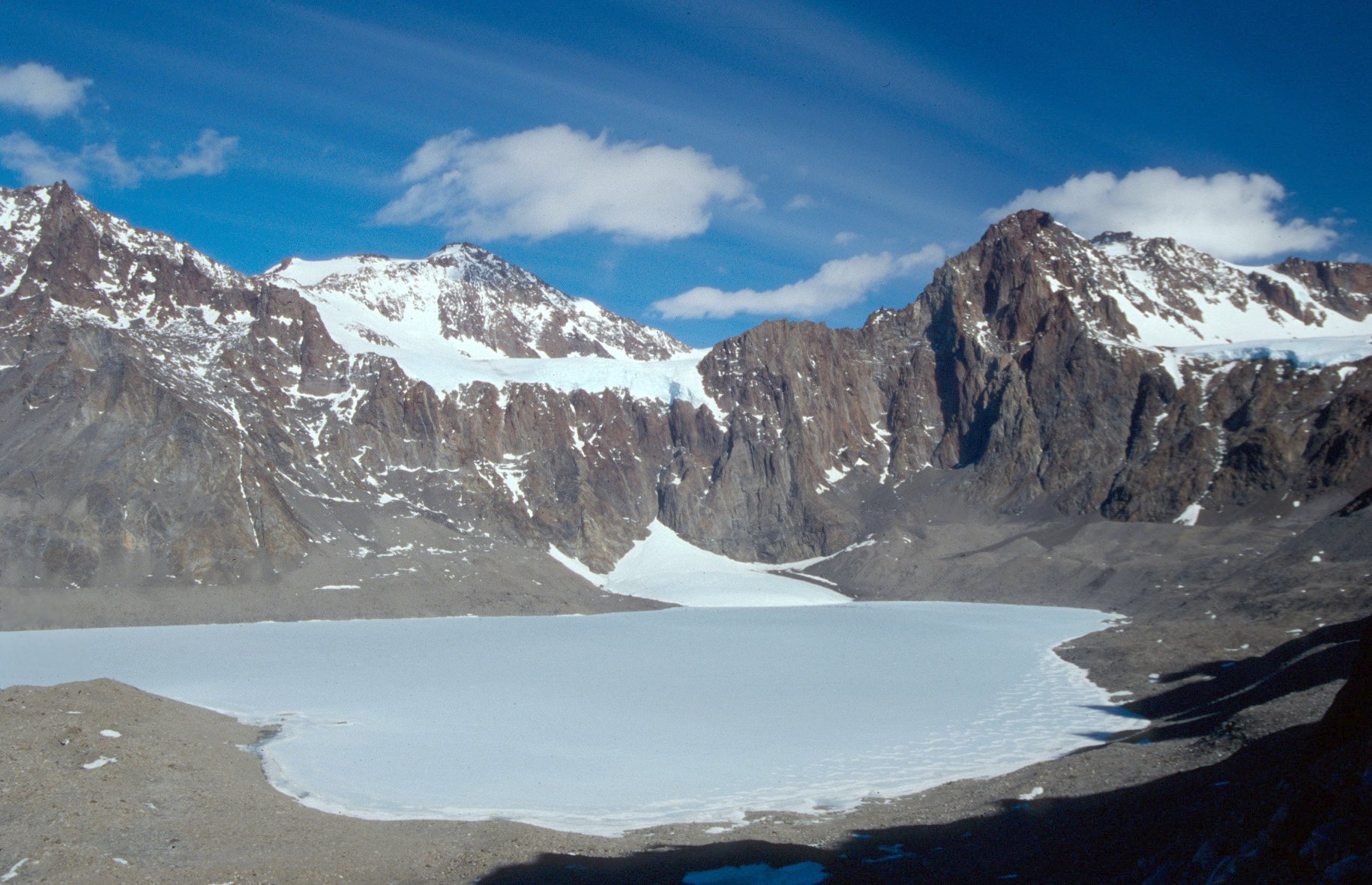
NASA has identified Lake Untersee, an underground water body located within the snowy peaks of East Antarctica. This lake, operating like a natural time capsule, serves as an essential resource for scientists aiming to investigate the origins of life on Earth. Characterized by its distinct chemistry, particularly a pH level of 10.4, Lake Untersee is noted for containing the highest concentration of dissolved oxygen ever discovered in a freshwater ecosystem. Researchers believe that studying the lake’s extreme conditions could provide valuable insights into potential life forms that may exist beneath the icy surface of Mars.

Significance of Stromatolites for Mars Research

Dale Andersen, the lead researcher from the SETI Institute, has undertaken over 20 expeditions to Lake Untersee. He emphasizes the importance of the conical structures known as ‘stromatolites’ found in the lake. These microbial reefs, reminiscent of the oldest fossils on Earth, may provide essential clues regarding the search for life beneath the ice of Mars. With their ancient origins, these stromatolites could hold keys to understanding similar microbial life that may exist on the Martian surface.

Factors Contributing to High Oxygen Levels

One of the most intriguing attributes of Lake Untersee is its extraordinary oxygen richness. The lake remains perpetually covered by ice, which effectively traps gases such as oxygen and nitrogen within its system. Over millennia, the ice at the surface undergoes sublimation, transforming into gas, while new ice forms from below, pushing these gases into the water column. According to NASA findings, this unique process results in an oxygen environment that is 150 percent richer than that of typical lakes on Earth. This unique condition is believed to enable the existence of microbial life in extreme environments, similar to those on Europa, one of Jupiter’s moons, where similar gas-sequestering dynamics may also be present.

The “2-Meter Rise” Phenomenon of 2019 Explained

In 2019, a significant increase of 2 meters in the water level of Lake Untersee was observed, as recorded by satellite and ground measurements. This dramatic rise, occurring over a short span of weeks, was attributed to a Glacial Lake Outburst Flood (GLOF). Scientists from the University of Ottawa detailed that approximately 17.5 million cubic meters of water surged from Lake Obersee due to a breached ice dam, resulting in the GLOF. Notably, microbial pinnacles in other Antarctic lakes typically reach only a few centimeters in height, while those in Lake Untersee extend to half a meter. The stability of the lake, with no wave disturbances and a permanent ice cover, has allowed cyanobacteria to grow slowly under limited sunlight, creating formations unlike those seen on Earth for over three billion years.

The Scientific Value of Microbial Pinnacles

The microbial structures found at the lakebed, standing at half a meter in height, present intriguing scientific questions due to their ability to endure in such harsh conditions. These conical stromatolites, formed by cyanobacteria, have been termed ‘scientific gold’ by researchers. The NASA Earth Observatory notes that these organisms could provide valuable markers for identifying analogous life forms on Mars and Europa. By examining how these pinnacles form, scientists aim to uncover similar organisms that may survive on frozen extraterrestrial surfaces.

Long or Short, get news the way you like. No ads. No redirections. Download Newspin and Stay Alert, The CSR Journal Mobile app, for fast, crisp, clean updates!

App Store –  https://apps.apple.com/in/app/newspin/id6746449540 

Google Play Store – https://play.google.com/store/apps/details?id=com.inventifweb.newspin&pcampaignid=web_share

Latest News

Popular Videos
