


NASA Advances Lunar Mission with Key Artemis II Achievement
The CSR Journal Magazine

On April 2, NASA confirmed that the Orion spacecraft has successfully detached from the upper stage of the rocket, marking a significant step in the Artemis II mission. The agency announced that the “proximity operations” test is currently in progress, with astronauts aboard the Orion manually piloting the spacecraft in a manner akin to future docking procedures with other vessels. This advancement follows the successful launch of Artemis II, which aims to take astronauts on a historic journey around the Moon, the first crewed lunar flyby in over half a century since the Apollo 11 mission in 1969, which witnessed the inaugural human landing on the lunar surface.

Launch Details from Kennedy Space Center

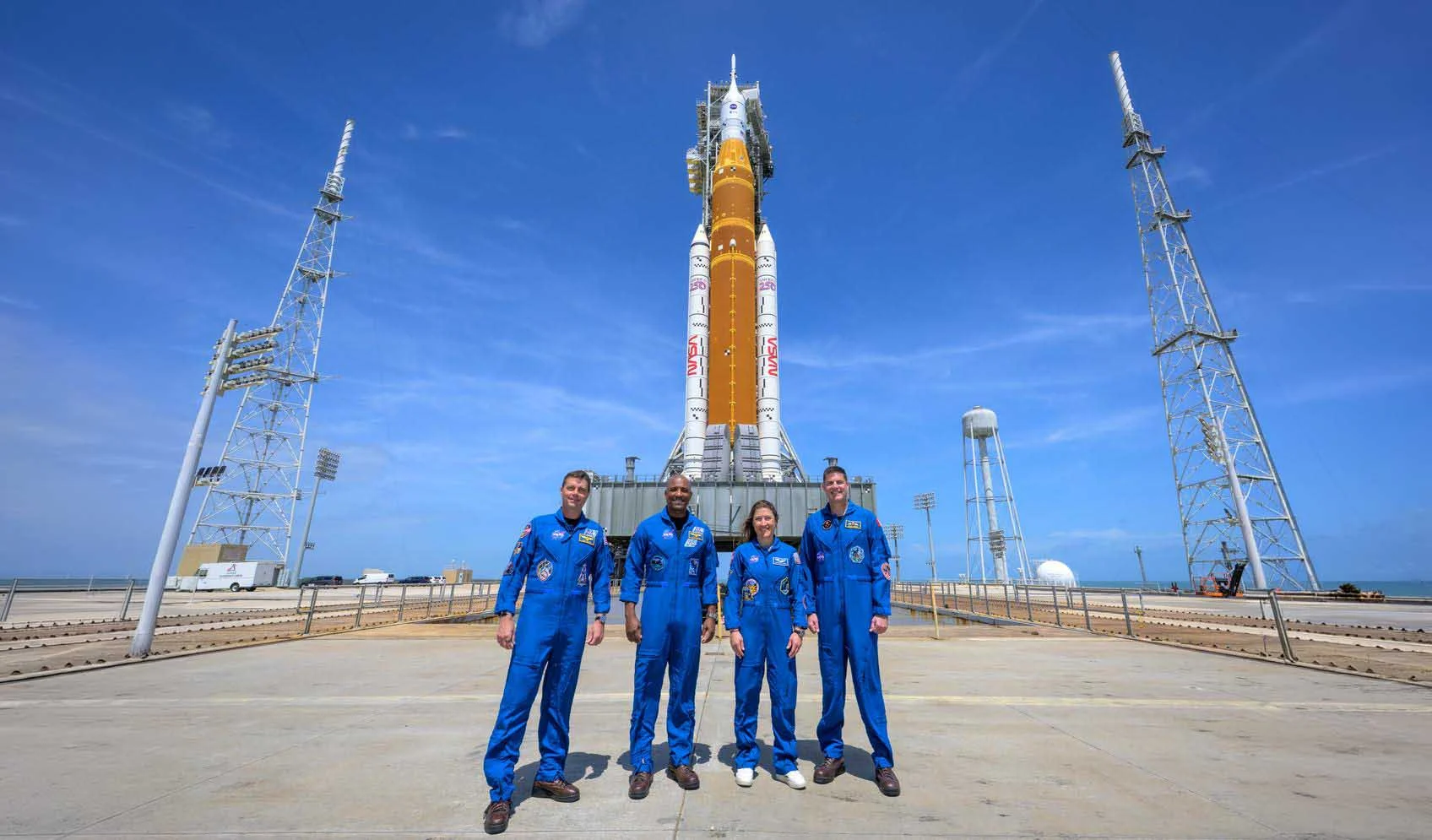
The Artemis II mission commenced with the launch of the Space Launch System rocket from Launch Pad 39B at Kennedy Space Center in Florida earlier on the same day. NASA Administrator Jared Isaacman characterized the launch as a pivotal moment in space exploration, emphasizing that it signifies humanity’s return to the Moon for the first time in more than fifty years. He noted that this mission serves as the foundation for not just lunar visits but also future explorations aimed at Mars.

Important Mission Parameters and Astronauts Onboard

The mission, which is set to last approximately ten days, features a crew comprised of NASA astronauts Reid Wiseman, Victor Glover, Christina Koch, and Canadian Space Agency astronaut Jeremy Hansen. After liftoff, Orion successfully deployed its solar array wings to harness solar energy, while mission teams began the transition from launch mode to flight operations, performing necessary system checks. NASA Associate Administrator Amit Kshatriya remarked that this mission serves as a critical test flight to validate the spacecraft‘s systems and capabilities for upcoming crewed lunar missions.

Mission Trajectory and Objectives

During the mission, Orion is set to enter a high Earth orbit before executing a translunar injection burn to direct it toward its trajectory around the Moon. As part of the objectives, the spacecraft will conduct a lunar flyby, enabling astronauts to observe and photograph the Moon’s surface, including zones on the far side that are seldom viewed by humans. Additionally, the mission will facilitate the deployment of multiple CubeSats from various international space agencies aimed at scientific research and technology demonstrations.

Anticipated Return and Mission Significance

Upon concluding the lunar flyby, the crew is predicted to return to Earth, culminating the mission with a planned splashdown in the Pacific Ocean. Artemis II represents the first crewed initiative under NASA’s Artemis program, with expectations to establish a sustained human presence on the Moon and lay the groundwork for future deep space exploration missions. This mission not only revitalizes human engagement with lunar exploration but also sets the stage for further advancements in space travel.

Long or Short, get news the way you like. No ads. No redirections. Download Newspin and Stay Alert, The CSR Journal Mobile app, for fast, crisp, clean updates!

App Store –  https://apps.apple.com/in/app/newspin/id6746449540 

Google Play Store – https://play.google.com/store/apps/details?id=com.inventifweb.newspin&pcampaignid=web_share

Latest News

Popular Videos
