


Monsoon Exits India with 13% Rainfall Deficit Recorded
The CSR Journal Magazine

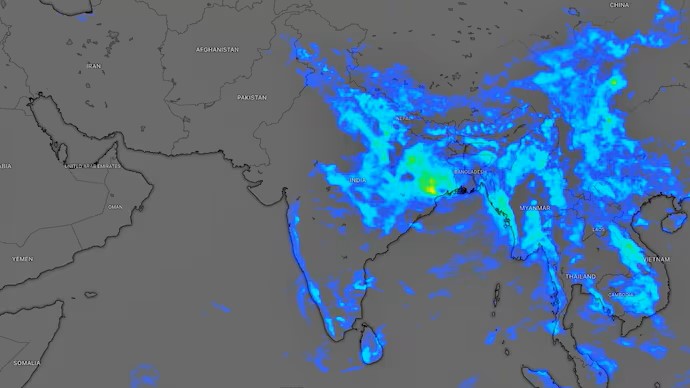
The southwest monsoon appears to be gradually retreating from various parts of India as indicated by recent observations. After weeks characterised by active weather systems and sporadic instances of heavy rainfall, data from the India Meteorological Department (IMD) reveals that cumulative rainfall since June 4 is currently 13 per cent below the expected levels. This statistic underscores the inconsistent nature of the ongoing monsoon season.

The most recent state-wise rainfall map reflects a diverse scenario across the country. While certain regions, particularly in western and central India, have recorded near-normal rainfall, expansive territories within the Indo-Gangetic plains, as well as parts of the Northeast and southern peninsular India, continue to report significant rainfall deficits.

Weather analysts indicate that a considerable atmospheric shift is now taking place. Dry northwesterly winds are forecasted to invade northwest India, replacing the moisture-rich monsoon flows that have persisted for most of the current season. Consequently, rainfall activity is predicted to sharply diminish in Punjab, Haryana, Delhi-NCR, Rajasthan, and neighbouring regions in the days ahead.

Humidity Levels Expected to Drop

The influx of dry air will likely result in decreased humidity levels, providing some respite from the muggy conditions that have been prevalent in recent weeks. However, this phenomenon may also hinder cloud formation and rainfall across vast areas of north, west, and northwest India. Satellite observations and weather modelling suggest that the monsoon trough is shifting closer to the Himalayan foothills, a classic indicator of reduced rainfall over the plains in northwest India.

Unless a new low-pressure system emerges over the Bay of Bengal or the monsoon trough shifts southwards again, rainfall activity is anticipated to remain limited. This situation raises alarm, especially for regions reliant on agriculture, as states such as Uttar Pradesh, Bihar, Jharkhand, Karnataka, and parts of the Northeast report below-normal seasonal rainfall. Agriculture experts voice concerns regarding crop health and the availability of soil moisture in these areas.

Meteorologists highlight that although the monsoon will not cease immediately, there are early signs indicating a transition in atmospheric conditions. Any potential revival of rainfall in northern and western India hinges on the formation of new low-pressure systems and their ability to reintroduce moisture into the core of the country.

Concerns Over Agricultural Impact

As the rainfall deficit persists, apprehensions surrounding its effects on agricultural productivity are increasing. This year’s unusual monsoon patterns have led to heightened worry in regions that depend heavily on seasonal rains for their crop cycles. The continuing lack of adequate rainfall places stress on both the growth of crops and essential soil moisture levels necessary for farming.

Authorities and farmers alike are closely monitoring weather updates, hoping for an abrupt change that could restore rainfall levels. However, the current trend points towards a decrease in rainfall intensity and frequency, complicating agricultural planning for the coming months.

In conclusion, while this year’s monsoon exhibited potential in the early stages, the signs of retreat and reduced rainfall signal challenges ahead for various sectors, especially agriculture. Monitoring by the IMD and regional meteorological offices will continue as the situation develops.

Long or Short, get news the way you like. No ads. No redirections. Download Newspin and Stay Alert, The CSR Journal Mobile app, for fast, crisp, clean updates!

App Store –  https://apps.apple.com/in/app/newspin/id6746449540 

Google Play Store – https://play.google.com/store/apps/details?id=com.inventifweb.newspin&pcampaignid=web_share

Latest News

Popular Videos
