


app-store-logo
play-store-logo
March 9, 2026

Mojtaba Khamenei: The Rise of Iran’s New Supreme Leader
The CSR Journal Magazine

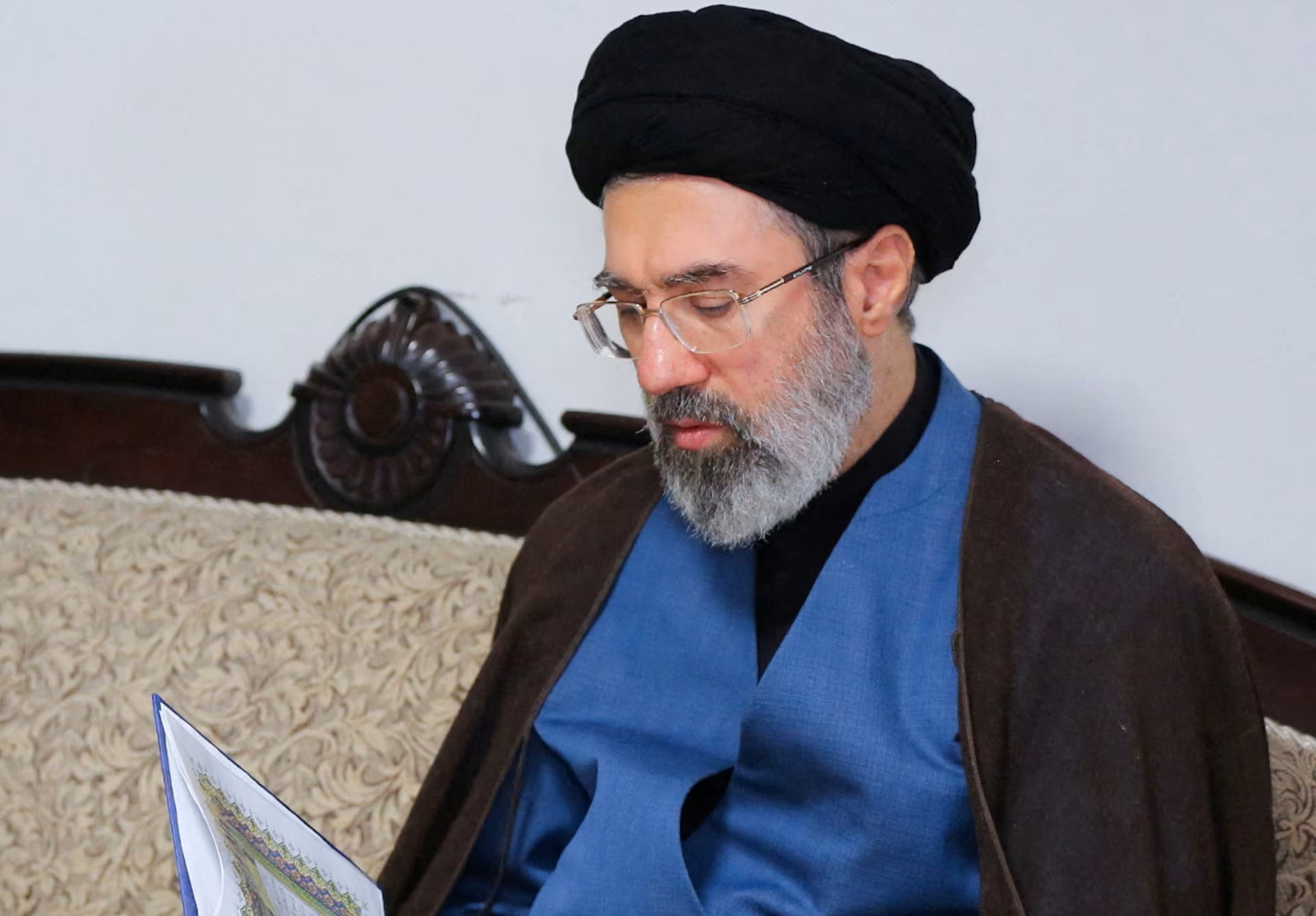
The unexpected elevation of Mojtaba Khamenei to the position of Iran’s supreme leader has garnered significant global interest and raised crucial questions about the future of the Islamic Republic. This change follows the passing of his father, Ali Khamenei, who had governed the nation for over three decades, shaping its political, military, and ideological landscape. Previously known for his limited public presence, Mojtaba has now assumed a role that grants him vast authority, overseeing the armed forces, intelligence operations, judiciary, and crucial aspects of both domestic and foreign policy. His rise marks a pivotal moment for the Islamic Republic and ignites discussions about a potential shift towards a dynastic leadership format, which the 1979 revolution aimed to abolish.

Mojtaba Khamenei’s Background and Religious Education

Born in 1969 in Mashhad, a significant religious city in northeastern Iran, Mojtaba Khamenei is the son of Ali Khamenei, who later became the supreme leader. Growing up in a politically influential family, he dedicated himself to religious studies, attending the renowned seminaries in Qom, where he focused on Islamic law and theology. Despite his educational background, he did not gain prominence as a public religious figure. Instead, he cultivated a reputation as a behind-the-scenes strategist and political operator.

Influence within Iran’s Political Sphere

Although Mojtaba Khamenei did not hold an official governmental role for much of his life, many analysts concur that he played a significant part in the supreme leader’s office. Often described as a “gatekeeper,” he managed access to his father, thus controlling who could consult him and which matters were presented for consideration. This role enabled him to forge an extensive network among Iran’s political elite, including senior clerics, intelligence operatives, and commanders of the Islamic Revolutionary Guard Corps (IRGC), an institution known for its military power and economic influence. His close association with the IRGC has been seen as a substantial factor in augmenting his sway within the national power structure.

Controversies Surrounding Mojtaba Khamenei

Mojtaba’s profile has not been without controversy, especially among critics of the Iranian regime. His name was frequently mentioned during the unrest following the contested 2009 Iranian presidential election. Opposition figures alleged that he played a role in consolidating support for then-President Mahmoud Ahmadinejad’s re-election while aiding the state’s crackdowns on protests. The 2009 Green Movement, marked by significant demonstrations, faced a harsh governmental response leading to widespread international condemnation. In 2019, he was sanctioned by the United States for perceived support of policies curtailing civil liberties in Iran. Proponents of the Iranian leadership argue that these allegations are politically driven and serve as part of a broader foreign agenda against Tehran.

Speculations on Succession and Political Structure

For well over a decade, many analysts had anticipated that Mojtaba could ascend to his father’s position as supreme leader. This speculation sparked debate, given that Iran’s political framework ostensibly forbids familial rule. The nation’s constitution dictates that the Assembly of Experts, comprised of senior clerics, is responsible for appointing the supreme leader. Nevertheless, Mojtaba’s close ties to the seat of power led many observers to speculate on his potential as a successor, despite warnings that such a transition could foster a political dynasty that undermines the transformative ideals of the Iranian Revolution.

The Supreme Leader’s Enormous Responsibilities

The role that Mojtaba Khamenei now occupies is one of immense authority. Unlike presidents in various global systems, the supreme leader holds comprehensive control over nearly all government branches, commanding the military, judicial oversight, and appointing significant figures in various institutions. The supreme leader also shapes Iran’s foreign policy and nuclear strategy, granting Mojtaba substantial influence over issues that extend beyond national borders, particularly impacting relationships in the Middle East and global geopolitics.

Mojtaba’s Leadership Amidst National Challenges

Mojtaba Khamenei assumes leadership at a precarious time for Iran, facing numerous challenges such as economic sanctions, domestic political discord, and heightened regional strife. Relations with Western nations remain tense, particularly regarding Iran’s nuclear ambitions and its active participation in various Middle Eastern conflicts. The nation has also seen significant protests driven by discontent over economic difficulties and political repression. As the new supreme leader, Mojtaba must navigate these complex pressures while

Long or Short, get news the way you like. No ads. No redirections. Download Newspin and Stay Alert, The CSR Journal Mobile app, for fast, crisp, clean updates!

App Store –  https://apps.apple.com/in/app/newspin/id6746449540 

Google Play Store – https://play.google.com/store/apps/details?id=com.inventifweb.newspin&pcampaignid=web_share

Latest News

Popular Videos
