


Meta Develops Innovative Antenna Design for Smart Glasses and Related Devices
The CSR Journal Magazine

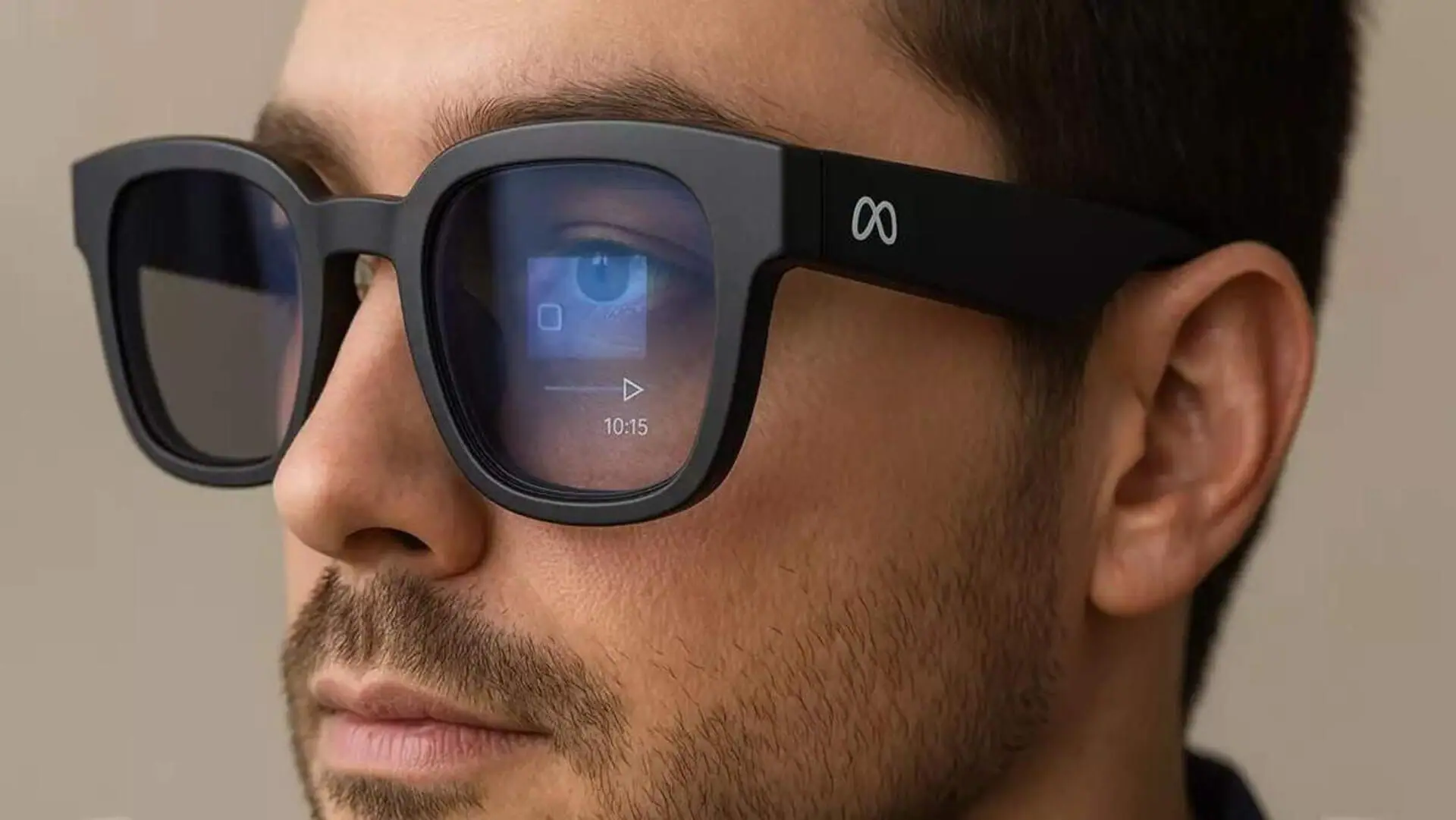
Meta is developing a new antenna design aimed at improving the functionality of future smart glasses while maintaining a discreet appearance. The details of this advanced antenna architecture were unveiled in a recently filed patent, which highlights the placement of wireless antennas along the lower rim of the glasses, rather than at the temples. This design allows for a more aesthetically pleasing look while enhancing performance.

The patent, first reported by Patently Apple on the social media platform X, covers a variety of head-worn devices including augmented reality glasses, virtual reality headsets, aviation goggles, and night-vision goggles. Meta’s new design seeks to optimise the spatial constraints involved in integrating electronic components into compact eyewear.

One of the primary challenges that this design addresses is the limited space available within smart glasses. The framework must accommodate cameras, processors, sensors, speakers, radios, and antennas without compromising comfort. By relocating antennas to a position beneath the lenses, Meta aims to reduce interference and improve signal quality while simultaneously decreasing power consumption.

Functionality and Efficiency of the Proposed Design

The proposed architecture includes two antennas positioned beneath each lens, with connections to a radio module situated higher up on the frame, potentially around the nose bridge. This configuration is designed to enhance operational efficiency, specifically in multiple-input multiple-output (MIMO) setups, where the collaboration of multiple antennas can significantly improve wireless performance.

Furthermore, the antennas may be integrated within an over-moulded layer comprised of RF-transparent materials. This innovative approach not only protects the antennas from physical damage but also ensures that they remain unobtrusive to the wearer while allowing sufficient wireless signal transmission.

The strategic positioning of the antennas is intended to minimise interference from other electronic components, allowing the system to maintain robust wireless performance in a compact design. The shift in location prioritises user experience, as the new architecture could lead to hands-free communications and a range of applications in wearable technology.

Potential Applications Beyond Consumer Use

Interestingly, the patent also expands its scope beyond consumer market smart glasses, explicitly mentioning night-vision goggles and aviation goggles as potential applications of this antenna architecture. This inclusion suggests that Meta is considering the wider implications of this technology in various sectors, potentially including military and aviation contexts.

While the existence of a patent does not confirm immediate product plans, the mention of such devices indicates a broader vision for wearable wireless technology that extends beyond current models like the Ray-Ban style smart glasses. This could signify Meta’s intention to develop cutting-edge solutions for more specialized markets.

The focus on night-vision and aviation goggles indicates Meta’s commitment to exploring novel applications for their technology, which could lead to advancements in both consumer electronics and professional-grade devices. The potential military implications of such technology open a range of possibilities for future innovation in wearable devices.

Long or Short, get news the way you like. No ads. No redirections. Download Newspin and Stay Alert, The CSR Journal Mobile app, for fast, crisp, clean updates!

App Store –  https://apps.apple.com/in/app/newspin/id6746449540 

Google Play Store – https://play.google.com/store/apps/details?id=com.inventifweb.newspin&pcampaignid=web_share

Latest News

Popular Videos
