


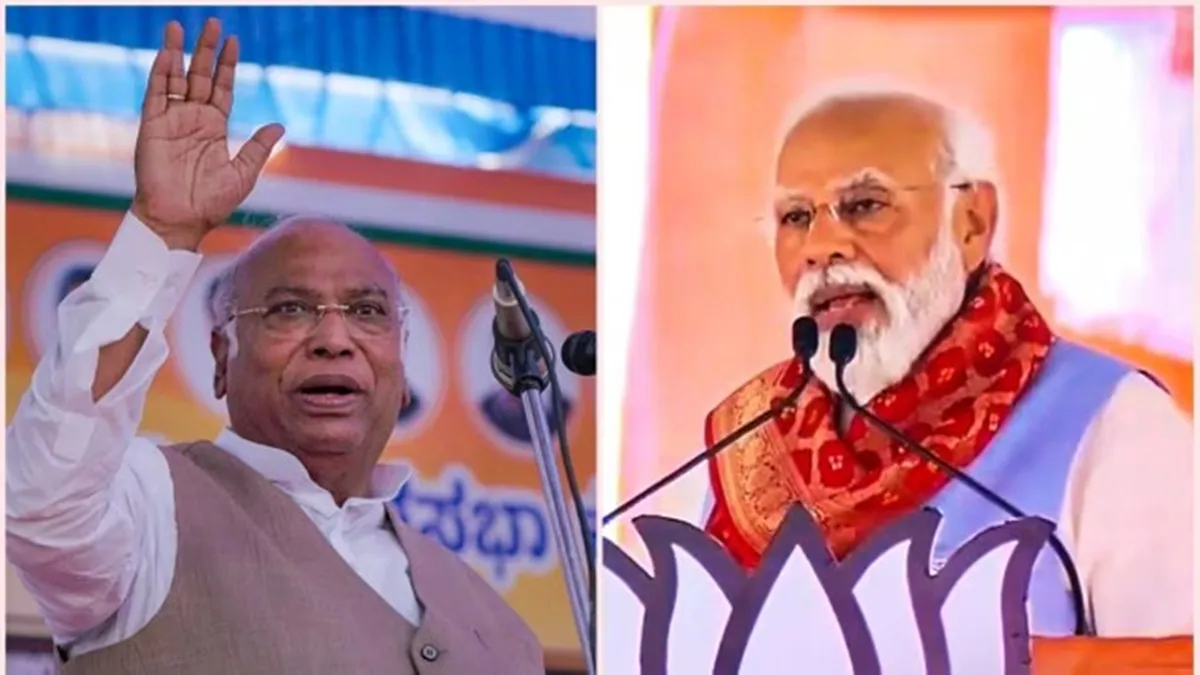

Kharge Accuses Modi Government of Dismantling Education System Over Twelve Years

The CSR Journal Magazine

Congress President Mallikarjun Kharge has accused the central government of significantly undermining the education system in India over the last twelve years. On September 5, 2026, he took to social media to voice his concerns, asserting that the present government has “paralysed and systematically gutted” both school and higher education. Kharge’s statement highlights fears over the detrimental impact on the future of India’s youth, whom he claims have been “recklessly destroyed & sacrificed.”

Concerns Over School Closures and Infrastructure

In a video accompanying his post, Kharge presented alarming statistics regarding the state of education infrastructure during the Bharatiya Janata Party (BJP) administration. He mentioned that around 94,000 government schools have reportedly closed, leading to an average of 25 closures every day. This decline in educational institutions has raised significant concerns about access to education for children across the country.

The video also included the poignant story of a widowed mother in Maharashtra who participated in a marathon barefoot, aiming to win a prize of 3,000 Rs to support her daughter’s education. This story has been depicted as a stark representation of the desperation faced by many families amid the prevailing educational policies.

Further alarming claims included that 7,993 schools with no enrolled students still receive government funding, while 1.19 lakh schools operate without functional electricity. Additionally, it was stated that half of all secondary schools lack essential science laboratories, hindering practical education.

Dropout Rates and Staffing Issues Highlighted

Kharge’s statements brought attention to the dropout rates in Indian education. The video claimed that only 5.4 per cent of schools provide a continuous education pathway from Class 1 to Class 12, with four out of ten children reportedly dropping out before completing their secondary education. This situation raises serious concerns about the educational ecosystem’s ability to retain students until graduation.

The video also tackled faculty shortages in higher education institutions, revealing a vacancy rate of 39 per cent in Indian Institutes of Technology (IITs) and 56 per cent in Central Universities. These staffing issues exacerbate the challenges faced by students, potentially affecting the quality of education they receive.

In addition, accusations were made regarding the prevalence of examination misconduct, with claims of 52 major exam paper leaks since 2014, including the recent NEET 2024 paper leak, which has contributed to turmoil within the education sector and raised questions about the integrity of examination processes.

Higher Student Suicide Rates and Economic Disparities

Further evidence presented in the video indicated a significant rise in student suicides, with an 80 per cent increase over the past decade, translating to approximately 1.23 lakh deaths. This alarming trend underscores the pressing mental health crises affecting students in the current educational landscape, raising urgent calls for reforms to mitigate such tragedies.

Kharige’s narrative culminated in a critique of fiscal planning for education, stating that despite government promises to allocate 6 per cent of GDP towards educational funding, the actual expenditure has only reached 4.1 per cent. This discrepancy raises questions about the government’s commitment to improving the education sector and sustaining its development.

Long or Short, get news the way you like. No ads. No redirections. Download Newspin and Stay Alert, The CSR Journal Mobile app, for fast, crisp, clean updates!

App Store –  https://apps.apple.com/in/app/newspin/id6746449540 

Google Play Store – https://play.google.com/store/apps/details?id=com.inventifweb.newspin&pcampaignid=web_share

Latest News

Popular Videos