


ISRO Denies Reports of Privatisation, Emphasises Its Ongoing Role
The CSR Journal Magazine

The Indian Space Research Organisation (ISRO) has categorically dismissed media reports that suggested an impending privatisation of its functions. The agency firmly stated that it will remain the leading institution in India for advanced research, technology development, and strategic missions in the space sector. This assertion came in response to various speculations regarding the future role of ISRO amidst ongoing reforms in the space industry.

In a formal statement titled “ISRO’s Next Chapter: Leading India’s National Space Ecosystem”, the organisation described the circulating claims as “completely baseless and incorrect.” The agency reiterated its position that neither privatisation nor a reduction in its significance would occur, emphasising that it will continue to spearhead national and strategic missions, space science, and exploration initiatives.

Clarifications on Space Sector Reforms

ISRO underscored the purpose of private sector involvement in the space industry as a means of expanding the country’s overall space ecosystem. This involvement is intended to allow ISRO to concentrate more effectively on the development of next-generation technologies while the private sector scales existing mature technologies. The agency clarified that the modifications to the industry landscape would not diminish its role but rather redefine the scale and structure of India’s space capabilities.

The recent discourse around these reforms has been in place since 2020, further formalised through the Indian Space Policy 2023. ISRO stated that these reforms are designed to create a larger and more competitive space ecosystem in India by allowing industries, start-ups, and academic institutions to engage across various segments of the space value chain. The agency insists that this initiative should be viewed as a proliferation of capabilities, rather than privatisation.

It is also noteworthy that ISRO has transferred multiple technologies to the private sector, ensuring that the handover of mature technologies does not equate to a withdrawal from those areas. This transfer enables large-scale production and helps foster innovation while allowing ISRO personnel to focus on advanced research and intricate national missions.

Looking Towards Future Endeavours

ISRO outlined its vision of establishing an “ISRO-led national space ecosystem” where various stakeholders will play distinct roles. The Department of Space will maintain overall policy direction, with ISRO as the core organisation focused on advanced research and national initiatives. Multi-faceted participation will take place under the auspices of IN-SPACe, which will authorise non-government entity involvement, while NSIL will oversee the commercialisation of mature technologies.

The agency expressed its commitment to ensuring that private participation in operations will be subject to national security considerations. Key strategic capabilities will continue to be closely monitored to guarantee safety and quality. This adjustment will allow ISRO to further its research on frontier technologies, including human spaceflight initiatives and deep-space missions.

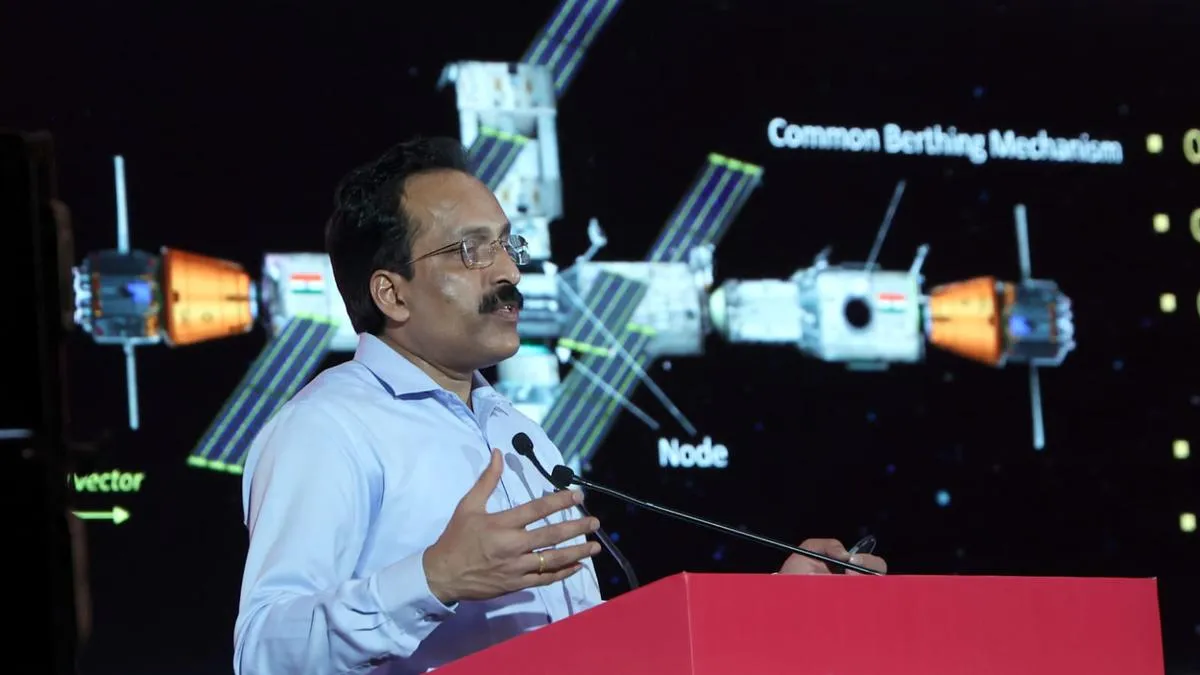
ISRO also provided insights into India’s aspirations under Space Vision 2047, which encompasses ambitious projects such as the establishment of the Bharatiya Antariksh Station by 2035 and the Indian crewed lunar mission by 2040. These types of missions demand sustained attention towards innovative research and capabilities that cannot be easily replaced by commercial enterprises.

Additionally, ISRO highlighted a burgeoning space start-up ecosystem, claiming over 450 firms are now engaged in various segments of the space market. The Indian space economy is currently valued at an estimated $8.4 billion, with aspirations to increase its share of the global space industry to $44 billion by 2033. ISRO concluded that achieving this growth requires a blend of government resources and private sector involvement to meet the demands of an expanding national space programme.

Long or Short, get news the way you like. No ads. No redirections. Download Newspin and Stay Alert, The CSR Journal Mobile app, for fast, crisp, clean updates!

App Store –  https://apps.apple.com/in/app/newspin/id6746449540 

Google Play Store – https://play.google.com/store/apps/details?id=com.inventifweb.newspin&pcampaignid=web_share

Latest News

Popular Videos
