


Sheikh Hasina Requests New Passport For Return To Bangladesh
The CSR Journal Magazine

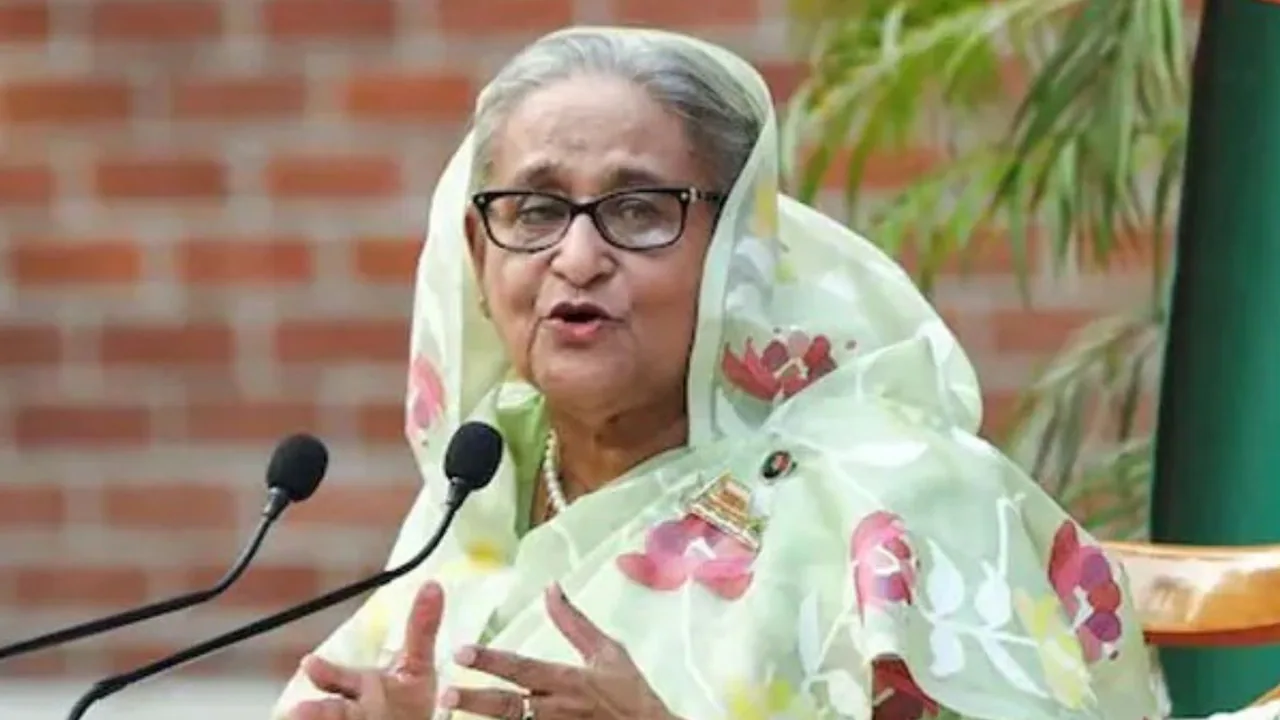
Sheikh Hasina, the former Prime Minister of Bangladesh, has formally requested a new passport and identity card to facilitate her return from self-imposed exile in India. This request was made on Monday and marks her first official communication since she left Bangladesh in 2024. The information was disclosed in a letter obtained by Reuters, indicating a significant step in her intention to return to her home country.

Hasina’s return is planned for December, more than two years after her government was overthrown following a violent uprising. The political landscape in Bangladesh remains tense, particularly as her party has been banned since her departure. The developments suggest potential legal and political challenges ahead, especially considering the circumstances surrounding her exit from power.

In her letter, Hasina expressed her intention to return and surrender to the court, a move that could further complicate the already volatile political situation in Bangladesh. Her legal team has indicated that the date of her return will be announced once necessary formalities are completed.

Legal Context and Implications

In November of the previous year, Bangladesh’s war-crimes court sentenced Hasina to death in absentia for allegedly orchestrating a violent crackdown on the uprising led by students. She has consistently denied these allegations while in exile. The request for a new passport and identity card was made by her lawyers from Matrix Chambers, based in London, who cited the reported revocation of her existing documents by the Interim Government.

The letter addressed to Preeti Rahman, the acting high commissioner at the Bangladesh embassy in Delhi, urged the authorities to expedite the processing of her application based on her Bangladeshi nationality. It also referenced international human rights obligations, underscoring the legal complexities surrounding her situation and the potential ramifications for her return.

Responses from officials in both Delhi and Dhaka have been limited, with neither Rahman nor representatives from Prime Minister Tarique Rahman’s office providing immediate comments on the matter. The lack of response may reflect the sensitive nature of Hasina’s request and the broader political implications it carries.

Political Landscape in Bangladesh

Hasina’s Awami League party was the dominant political force in Bangladesh prior to its ban following her ousting. Many former party members have faced imprisonment or have chosen to live in exile, complicating the political dynamics in the country. Despite her absence, Hasina reportedly retains support among certain segments of the population, suggesting that her return could reignite political divisions.

The current government in Dhaka is focused on restoring stability after a prolonged period of unrest, and Hasina’s return could either contribute to or hinder these efforts. The situation remains fluid, with potential ramifications for both domestic politics and international relations, particularly with India, which has provided refuge to Hasina since her departure.

As the situation unfolds, the implications of Hasina’s request for a new passport could extend beyond her personal circumstances, potentially influencing the future political landscape of Bangladesh and its relationships with neighbouring countries. The coming months will be critical in determining the trajectory of these developments and their impact on regional stability.

Long or Short, get news the way you like. No ads. No redirections. Download Newspin and Stay Alert, The CSR Journal Mobile app, for fast, crisp, clean updates!

App Store – https://apps.apple.com/in/app/newspin/id6746449540

Google Play Store – https://play.google.com/store/apps/details?id=com.inventifweb.newspin&pcampaignid=web_share

Latest News

Popular Videos
