


Is Screen Time Ruining Your Child’s Eyes? Experts Warn of a Silent Vision Crisis
The CSR Journal Magazine

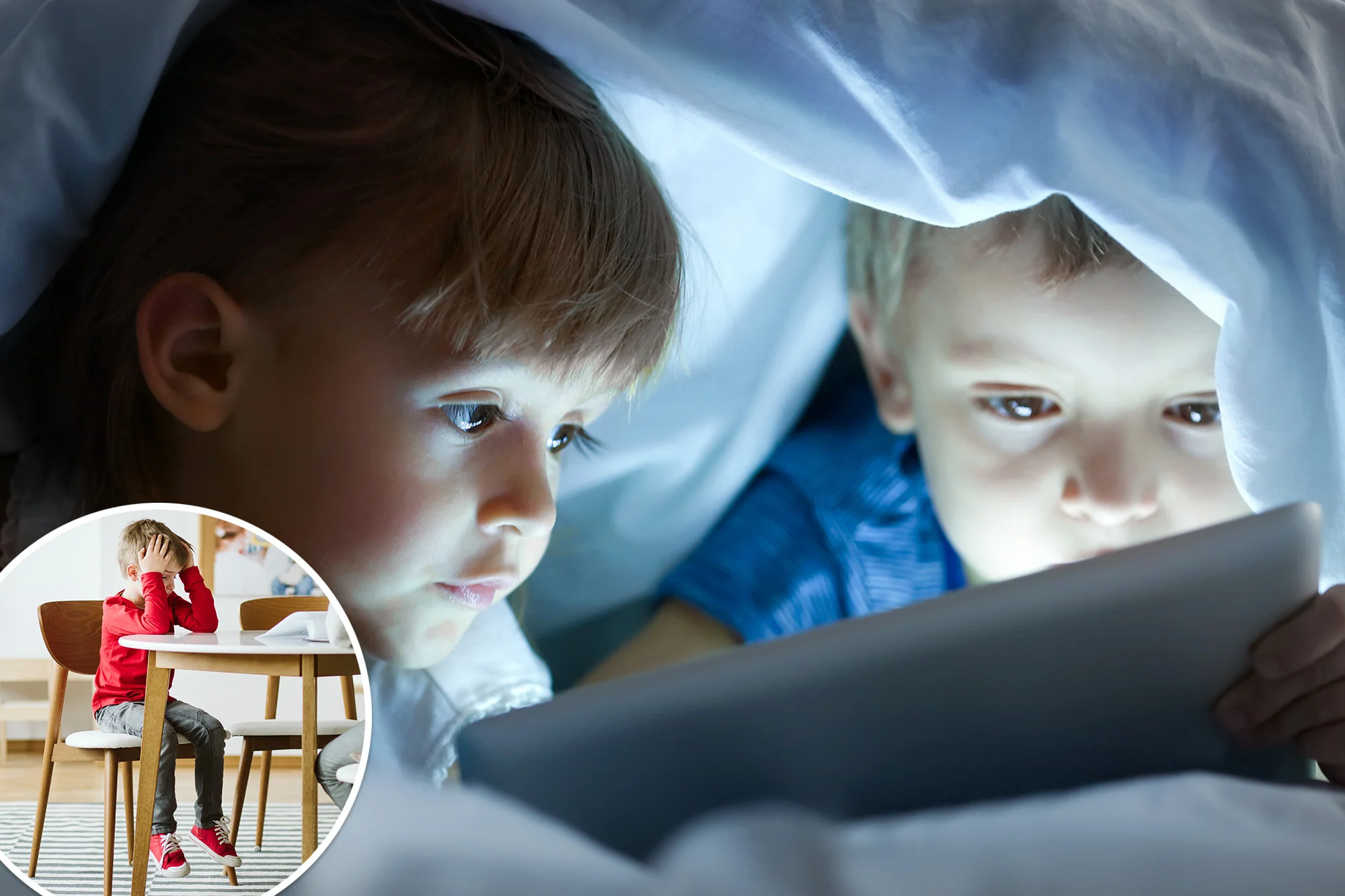
Excessive screen time has raised significant health concerns regarding children’s vision. With the increased use of digital devices for online learning, games, and entertainment, the prevalence of issues such as Digital Eye Strain (DES) and myopia is becoming more common. Dr Neha Vasta, a Consultant Ophthalmologist based in RR Nagar, emphasises the alarming nature of these conditions, which can lead to symptoms like headaches, blurred vision, and dry eyes.

The phenomenon referred to as the “myopia pandemic” highlights the concerning trend of children developing poor eyesight at increasingly younger ages. The factors contributing to this issue are not solely the amount of screen time but also the proximity and duration of usage of these devices. Young eyes are still developing, and extended periods of focusing on screens can strain their vision and lead to complications.

Recommended Screen Time Limits by Age

To mitigate potential vision-related issues, health professionals advocate for specific screen time limits based on a child’s developmental stage. For children aged 0 to 2 years, it is advised that they have no screen time except for video calls with family members. For those aged 2 to 5 years, a maximum of one hour of educational content daily, with the supervision of an adult, is recommended. Children between the ages of 5 and 18 should ideally engage in no more than two hours of recreational screen time each day.

Moreover, when children partake in screen-related schoolwork, it is vital that they take regular breaks to prevent eye strain. These structured intervals can help alleviate the stress placed on their developing eyesight and overall focus.

Parents are encouraged to observe their children for signs of visual discomfort, such as frequent eye rubbing, close proximity to screens, or headaches. Recognising these symptoms can lead to timely interventions.

Strategies to Enhance Eye Comfort

One effective technique for maintaining eye wellness during screen use is the 20-20-20 rule. Approximately every 20 minutes, a child should shift their focus to an object at least 20 feet away for a minimum of 20 seconds. This practice helps ease the tension on the eye muscles that can accumulate from prolonged screen usage.

In addition to utilising the 20-20-20 rule, there are various simple measures that can significantly benefit a child’s vision. These include ensuring screens are positioned approximately 30 to 40 centimetres from the eyes, placing the screen slightly below eye level, and using devices in adequately lit spaces. Encouraging children to blink more frequently and limiting screen time before bedtime can further enhance eye comfort and overall health.

The Importance of Outdoor Activities

Medical experts also highlight the critical role of outdoor activity in children’s health, recommending at least two hours of play outside each day. Exposure to natural sunlight can stimulate dopamine release in the retina, which is believed to slow the progression of myopia. Additionally, time spent outdoors offers the eyes a break from near-focus activities associated with screen time.

While completely eliminating screens in a digital age is unrealistic, proper management of their use is essential for safeguarding children’s vision. By adhering to age-appropriate screen time limits, encouraging frequent breaks, and promoting outdoor play, parents can help foster long-term visual health for their children. Small proactive steps taken now may prevent significant vision issues in the future.

Long or Short, get news the way you like. No ads. No redirections. Download Newspin and Stay Alert, The CSR Journal Mobile app, for fast, crisp, clean updates!

App Store –  https://apps.apple.com/in/app/newspin/id6746449540 

Google Play Store – https://play.google.com/store/apps/details?id=com.inventifweb.newspin&pcampaignid=web_share

Latest News

Popular Videos
