


Iran Introduces $1 Cryptocurrency Toll for Oil Tankers in Strait of Hormuz
The CSR Journal Magazine

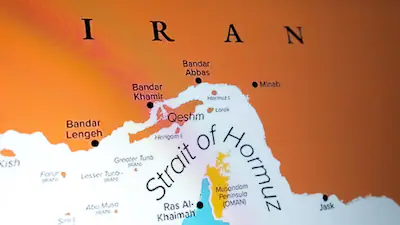
Iran is set to implement a cryptocurrency toll for oil tankers passing through the strategically significant Strait of Hormuz. This initiative aims to strengthen Tehran’s influence over this crucial maritime route, particularly during the current ceasefire period. Reports from the Financial Times indicate that shipping companies will be required to pay a toll of $1 per barrel in cryptocurrencies such as bitcoin.

Hamid Hosseini, spokesperson for Iran’s oil exporters’ union, confirmed these developments, stating that the toll will be part of a broader mechanism to monitor vessels traversing the strait. The specifics of this tolling system could transform the dynamics of maritime trade in this area, which is vital for global energy supplies.

Monitoring Vessel Movements for Security

The proposed toll system mandates that oil tankers provide detailed information about their cargo to Iranian authorities via email before toll assignments are issued. Hosseini explained that the initiative is designed to allow Iran to track all vessels entering and exiting the strait. He emphasised the nation’s need to ensure the security of the waterway, particularly during the ceasefire, stating that there are concerns about potential arms transfers.

According to Hosseini, timely processing will be pivotal, with ships only allowed a matter of seconds to complete the cryptocurrency transaction. This quick payment system is intended to minimise the risk of sanction-related scrutiny or vessel seizures, enabling smoother operations for shipping companies navigating these waters.

The Iranian government’s stringent monitoring approach is a response to perceived security threats in the region. The Strait of Hormuz is one of the busiest maritime corridors globally, with a significant proportion of oil traded internationally passing through it. As such, any changes in the regulatory environment can have far-reaching implications for global energy markets.

Impact on International Shipping and Trade

The introduction of a cryptocurrency-based toll in the Strait of Hormuz may alter shipping practices and costs for companies operating in the region. The move could lead to increased operational expenses for shipping lines, which may be forced to adapt to new payment mechanisms while navigating Iranian regulatory frameworks. Companies will need to assess how these changes could affect their logistics and supply chain management.

Furthermore, the reliance on cryptocurrencies for toll payments may pose challenges for some companies. It raises questions regarding the stability and accessibility of such digital currencies in the face of fluctuating market conditions. The requirement for rapid payments may compel firms to have sufficient cryptocurrency reserves readily available, potentially complicating financial operations.

Global stakeholders in the oil industry are closely monitoring these developments. The Strait of Hormuz is crucial not only for Iran but also for other oil-rich nations in the region, making the new toll system a significant change that could reshape energy trading in the coming years. As implementation begins, the eyes of the international community will be attuned to how this policy unfolds and its broader ramifications on maritime trade and energy prices globally.

Long or Short, get news the way you like. No ads. No redirections. Download Newspin and Stay Alert, The CSR Journal Mobile app, for fast, crisp, clean updates!

App Store –  https://apps.apple.com/in/app/newspin/id6746449540 

Google Play Store – https://play.google.com/store/apps/details?id=com.inventifweb.newspin&pcampaignid=web_share

Latest News

Popular Videos
