


India Faces Severe Water Shortage Due to Monsoon Deficit
The CSR Journal Magazine

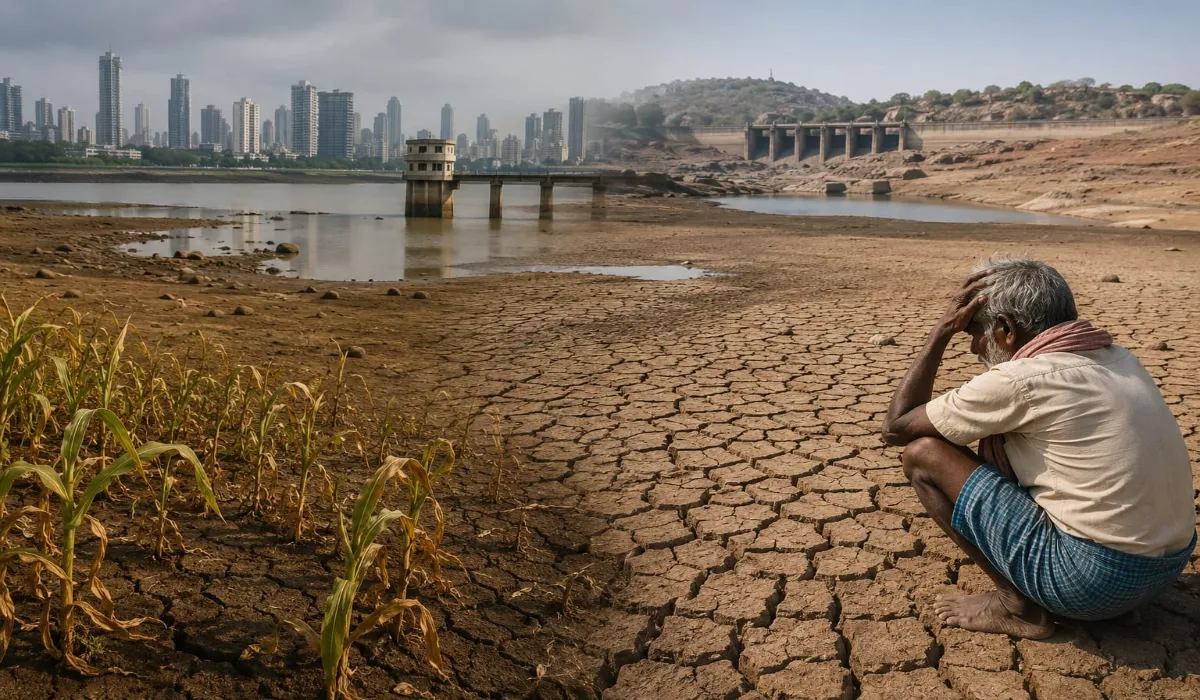
India is heading into winter with significant worries regarding its water supply, driven by below-average monsoon rainfall, diminishing reservoir capacity, and ongoing groundwater stress. The India Meteorological Department (IMD) reported a 12.56 per cent deficit in rainfall during the June to September monsoon period of 2026. This shortfall is beginning to show serious implications for water reserves across various regions.

A recent assessment from the Central Water Commission highlighted that 178 monitored reservoirs collectively stored 132.734 billion cubic metres of water, which is notably less than the ten-year average of 151.118 billion cubic metres. Additionally, figures are significantly lower when compared to the same date in 2025. Although water conditions differ from region to region, the overall decline in national reservoir levels limits the ability to cope with extended dry spells.

Maharashtra is among the states experiencing severe localised issues. Reports from Beed district indicate a drop in groundwater levels and the increasing reliance on tankers for water supply. Telangana has also raised alarms regarding reservoir levels in areas supplying Hyderabad, prompting urgent preparations for alternative water sources. Residents in over 40 villages in Beed are working together to enhance local river storage through desiltation efforts.

El Nino’s Potential Impact on Water Resources

The threat of El Nino is compounding the situation. In October, the US National Oceanic and Atmospheric Administration reported a strengthening El Nino, likely to persist into early 2027. This climate phenomenon can shift global weather patterns, and for India, it typically comes with the risk of a weaker southwest monsoon, an issue that is already evident this year.

As the country transitions to winter, inflows to reservoirs generally decline while water demand remains high, particularly as farmers require irrigation for winter crops. Inadequate rainfall could result in increased groundwater extraction to make up for deficiencies in canals and surface-water supplies. In drought-affected areas like Karauli in Rajasthan, community-led initiatives have revived local water bodies and improved agricultural practices, demonstrating grassroots resilience in facing water stress.

The anticipated pressure point will arrive in the summer of 2027, where rising temperatures could exacerbate evaporation rates and enhance water demand, amplifying existing shortages in both reservoirs and aquifers. While El Nino will play a role in rainfall patterns, it is not the sole determining factor, as regional systems and other climatic influences will also affect outcomes.

Groundwater Crisis Threatens Long-Term Sustainability

Beneath the surface, India’s vulnerability regarding water resources is acute. According to a 2025 assessment by the Central Ground Water Board, annual groundwater extraction reached 247.22 billion cubic metres, approximately 60.63 per cent of the country’s annual extractable groundwater. This overarching figure masks severe regional challenges, with 730 groundwater assessment units classified as over-exploited.

Groundwater serves as a critical buffer during periods of inadequate monsoon rainfall, yet its reliability diminishes as aquifers become depleted. As water tables drop, the effectiveness of wells reduces, and accessing deeper borewells becomes increasingly costly. Communities already facing water scarcity could find themselves with fewer options as farmers are compelled to draw more groundwater to meet irrigation needs.

India’s upcoming months will be pivotal in determining how effectively the nation can navigate these water challenges. Monitoring reservoir levels, groundwater conditions, and seasonal rainfall will be essential. States may need to focus on prioritising drinking water, improving infrastructure, and promoting wastewater recycling to address agricultural water demands, particularly in regions suffering from unsustainable groundwater usage.

Long or Short, get news the way you like. No ads. No redirections. Download Newspin and Stay Alert, The CSR Journal Mobile app, for fast, crisp, clean updates!

App Store –  https://apps.apple.com/in/app/newspin/id6746449540 

Google Play Store – https://play.google.com/store/apps/details?id=com.inventifweb.newspin&pcampaignid=web_share

Latest News

Popular Videos
