


India Condemns Houthi Attacks on Saudi Arabia Over Maritime Risks
The CSR Journal Magazine

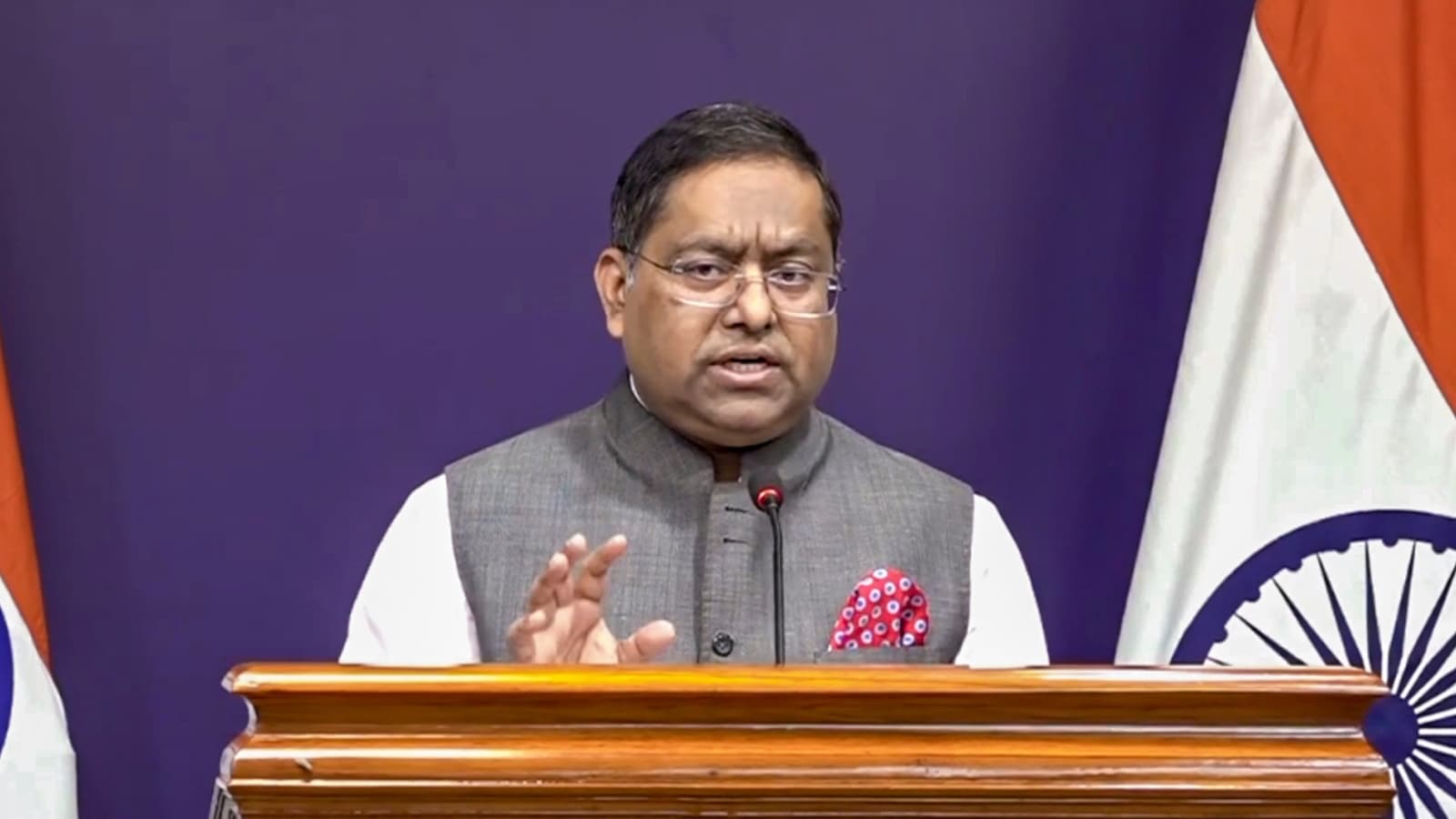
India has officially expressed its serious concerns regarding the escalating threat to maritime navigation in the Red Sea following increased attacks by Iran-backed Houthi forces on Saudi Arabia. The External Affairs Ministry labelled these attacks as “unacceptable” and warned that ongoing escalation could jeopardise freedom of navigation in the Bab-el-Mandeb Strait, which is a crucial maritime chokepoint. External Affairs Ministry spokesperson Randhir Jaiswal conveyed these sentiments during a briefing.

During a meeting on September 10, 2026, at the BRICS summit, India’s External Affairs Minister S. Jaishankar reportedly discussed the situation with Saudi Foreign Minister Prince Faisal bin Farhan Al Saud. Jaiswal remarked that the involvement of the Houthis was one of the topics addressed during their discussions, highlighting the gravity of the situation following a recent attack on Saudi territory.

The spokesman emphasised that India’s condemnation extended not only to the attacks themselves but also to their potential repercussions on shipping and regional stability, underscoring a comprehensive approach to international diplomacy and security in the region.

Increasing Threat to Shipping Routes

According to Jaiswal, the recent actions by the Houthis pose a significant risk not only to Saudi Arabia but also to shipping routes connecting the Red Sea to the Gulf of Aden and the Arabian Sea. “We have condemned the attacks on Saudi sovereignty and civilian infrastructures,” he stated, adding that such actions undermine not only regional stability but also threaten the freedom of navigation through the Bab-el-Mandeb Strait.

The Bab-el-Mandeb Strait, also known as the “Gate of Tears,” serves as a vital maritime link between the Red Sea and the Gulf of Aden, facilitating crucial international trade and energy shipments. The ongoing attacks complicate an already disrupted shipping network in the region, particularly in light of tensions surrounding the Strait of Hormuz.

Saudi Arabia has encountered a series of assaults targeting key infrastructure, including military sites and oil facilities. The frequency of these attacks raises concerns about the safety and security of maritime routes critical to global energy supply chains.

Impact on Global Oil Supply

The Houthis, who operate out of Yemen with the backing of Iran, have executed multiple attacks on Saudi Arabia in recent days. Notably, they targeted the East-West oil pipeline, an essential route transporting crude oil from the Kingdom’s oil fields in the Gulf to the Red Sea. As a result of this attack, the pipeline has been temporarily shut down, and market analysts indicate that this disruption could impact up to four per cent of global oil supply.

On September 12, 2026, US Energy Secretary Chris Wright expressed expectations that operations would resume shortly, although Saudi authorities have not provided a precise timeframe for the restoration of the pipeline. The rapid restoration of the service is crucial not only for Saudi Arabia but also for international markets.

In the face of rising tensions, Wright noted that Saudi Arabia is actively taking measures to redirect more oil flow away from the Strait of Hormuz with support from the US military, indicating international collaboration in addressing the growing crisis in the region.

Security Situation in Saudi Arabia Deteriorates

As the conflict continues, the security situation in Saudi Arabia appears to deteriorate. On September 12, authorities issued broader security alerts across significant locations within the country, including Mecca and Jeddah. These alerts were later rescinded, but Saudi officials did not clarify whether any incoming projectiles had hit their intended targets.

The warning issued in Mecca is particularly noteworthy as it was the first of its kind during the ongoing conflict, underlining the heightened risks to one of the holiest cities in Islam. The implications of this for both local and international communities remain significant.

In related developments, a Saudi-led military coalition reported injuries to civilians due to attacks on September 11. Furthermore, the Kingdom has attributed a separate assault on the East-West pipeline to a pro-Iranian group based in Iraq, suggesting an expanding arena of conflict that involves multiple actors and raises the stakes in regional security.

Long or Short, get news the way you like. No ads. No redirections. Download Newspin and Stay Alert, The CSR Journal Mobile app, for fast, crisp, clean updates!

App Store –  https://apps.apple.com/in/app/newspin/id6746449540 

Google Play Store – https://play.google.com/store/apps/details?id=com.inventifweb.newspin&pcampaignid=web_share

Latest News

Popular Videos
