


app-store-logo
play-store-logo
February 23, 2026

India and Canada May Finalise Trade Agreement Within Year, Says Envoy
The CSR Journal Magazine

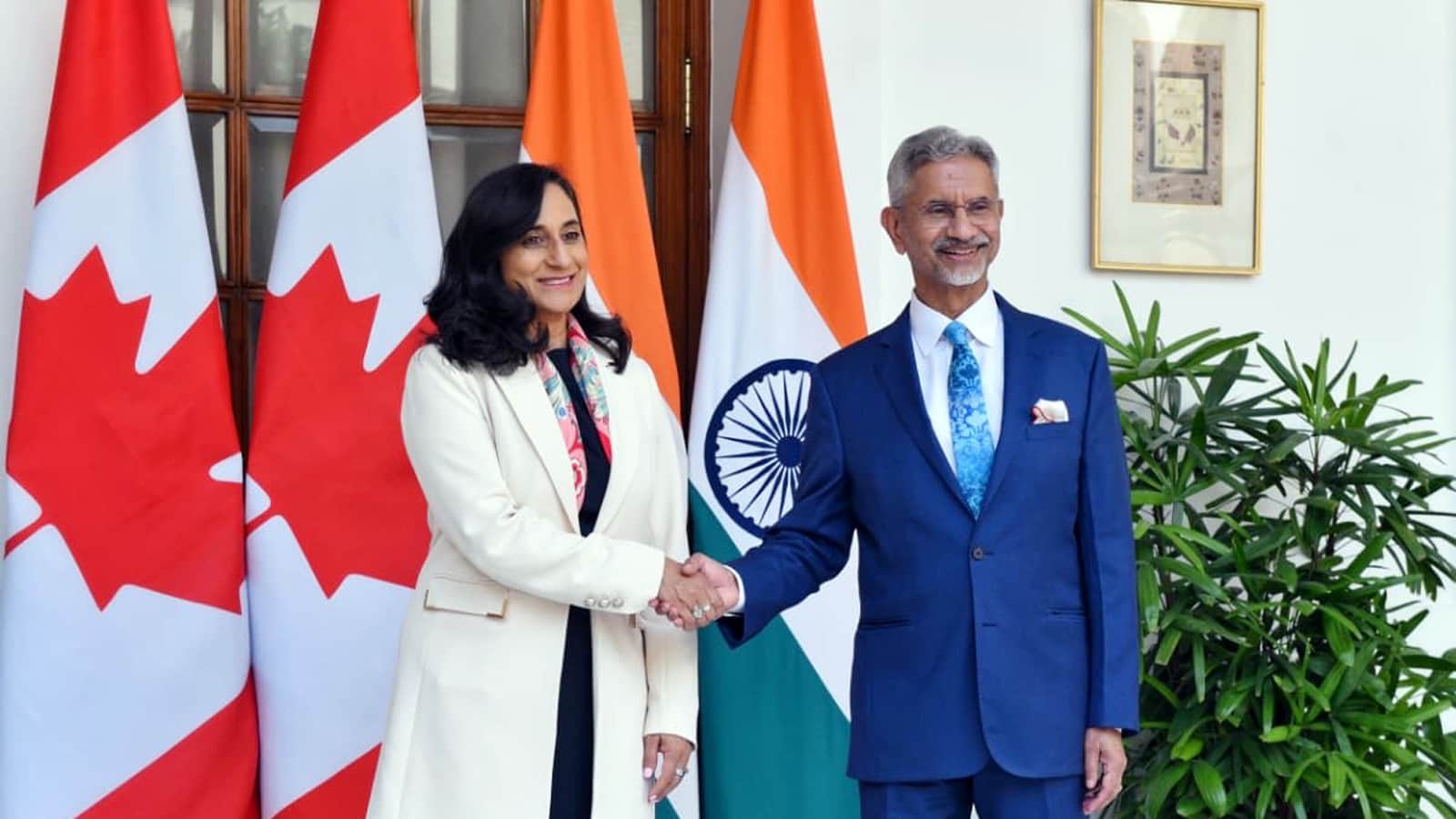
India’s High Commissioner to Canada, Dinesh Patnaik, has expressed a positive outlook regarding the potential for India and Canada to sign a Comprehensive Economic Partnership Agreement (CEPA) within the next year. Patnaik’s remarks come as Canadian Prime Minister Mark Carney is set to visit India in March, suggesting that the anticipated trade pact could be a focal point of the discussions. Despite previous delays in negotiations that have persisted since discussions first began in 2010, Patnaik stated that the evolving geopolitical climate and a mutual need for collaboration could facilitate timely progress.

Previous Negotiation Delays and Recent Recommitment

The trade negotiations between India and Canada have been marked by several interruptions over the years. However, a renewed commitment was established in November when Prime Minister Narendra Modi and Carney agreed to officially resume discussions regarding the CEPA. This agreement aims to enhance bilateral trade in goods and services, investments, agriculture, and digital commerce. During a meeting at the G20 Summit in Johannesburg, both leaders acknowledged the importance of striving for a “high-ambition” agreement designed to double bilateral trade to USD 50 billion by 2030.

Focused Agenda for Prime Minister Carney’s Visit

In the first week of March, Carney’s visit to India is expected to lead to the signing of various agreements, particularly in sectors including uranium, energy, minerals, and artificial intelligence, with trade being a key priority. Patnaik indicated that the Canadian Prime Minister’s itinerary would likely involve interactions with high-ranking officials and prominent business figures in cities such as New Delhi and Mumbai to strengthen bilateral ties further.

Strengthening Economic Collaboration

Highlighting the progress made in India-Canada relations, Patnaik noted the signing of multiple agreements over the past year in critical areas such as energy, climate change, advanced technology research, and climate-resilient farming. He emphasized that both Prime Ministers are eager to foster deeper economic connections. The envoy remarked that both nations have gained considerable expertise in negotiating trade agreements, which may alleviate some of the challenges faced in previous discussions.

Complementary Economies with Resolving Issues

Patnaik stated that there are no significant policy disagreements between India and Canada, with their economies being largely complementary. He highlighted Canada’s role as a leading exporter of commodities, which aligns well with India’s position as a substantial consumer market. This dynamic minimizes direct competition between industries in both countries. He further mentioned that typical roadblocks in trade negotiations, like phytosanitary standards and customs regulations, are not posing significant challenges in current talks.

Potential for Mutual Benefits in Trade

According to Patnaik, the absence of competition on many trade issues enhances the prospects for a mutually beneficial agreement. He emphasized that the evolving perspectives on both sides have transformed the trade dialogue, making many past concerns more manageable. This optimistic view points to a time when both nations could confidently advance toward establishing a formalized and comprehensive trade agreement.

Long or Short, get news the way you like. No ads. No redirections. Download Newspin and Stay Alert, The CSR Journal Mobile app, for fast, crisp, clean updates!

App Store –  https://apps.apple.com/in/app/newspin/id6746449540 

Google Play Store – https://play.google.com/store/apps/details?id=com.inventifweb.newspin&pcampaignid=web_share

Latest News

Popular Videos
