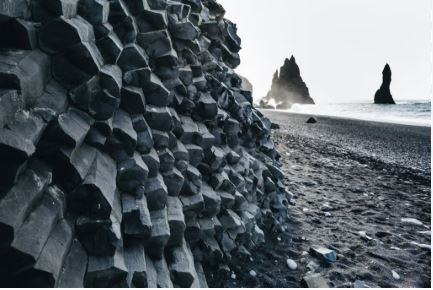
Iceland’s Reynisfjara Beach, famed for its striking black sands and unique basalt columns, is undergoing a drastic transformation as a significant portion of its shoreline appears to be eroding rapidly. This picturesque beach, characterised by its dark, charcoal-like sand and backdrop of towering cliffs, has attracted countless visitors over the years. However, recent observations indicate that much of its iconic sand has been swept away, leaving behind a narrower stretch of land.
The Hazards of Reynisfjara Beach
Known for its inherent dangers, Reynisfjara Beach has long been highlighted as a risky destination for tourists. The phenomenon of “sneaker waves,” which are sudden and powerful surges of water, has resulted in multiple incidents where visitors have been swept into the sea. Over the years, there have been numerous fatalities, including a tragic incident reported in the summer of 2025.
Extent of Erosion
Recent reports indicate that the erosion at Reynisfjara Beach could be extensive. Strong winds and powerful ocean currents have reportedly stripped away large sections of the beach, transforming the once wide expanse of volcanic sand into a much narrower strip in several areas. This alteration significantly changes the beach’s appearance and accessibility. Local residents note that the once towering basalt columns now seem to rise almost directly out of the ocean, having lost the sandy ground that previously provided easy access.
Underlying Causes of Sand Displacement
Experts attribute the dramatic changes along this coastline to unusual wind patterns observed during the winter months. Coastal engineer Sigurður Sigurðarson from the Icelandic Road Administration elaborated that an atypical dominance of easterly winds has been noticed. Typically, prevailing southwesterly winds would carry sand eastward along Iceland’s southern coastline. However, this season’s shift to easterly winds has pushed sand in the opposite direction, leading it to accumulate against the nearby mountain, Reynisfjall, which extends out into the sea.
Future of the Beach
As a result of this shift in wind direction, Reynisfjara Beach is not receiving fresh supplies of sand from the east. Experts assert that it remains uncertain whether the displaced sand will return to the beach. The beach’s recovery depends on future changes in wind and wave patterns, making it difficult to predict what the shoreline may look like moving forward. The ongoing transformations highlight the dynamic nature of coastal environments and the impact of climatic variations.