


Greenland Moves Towards Banning Deep-Sea Mining
The CSR Journal Magazine

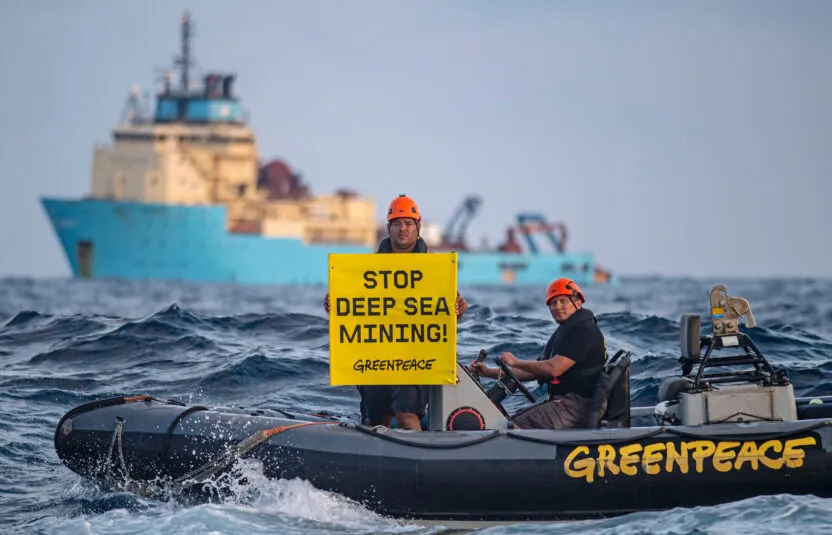
Greenland’s parliament has taken a significant step by unanimously adopting a proposal that calls for the government to draft legislation aimed at banning deep-sea mining and exploration until at least the end of 2029. This decision reflects the concerns of many inhabitants regarding the potential environmental impacts associated with such activities. The proposal underscores the importance of protecting the marine environment, which is vital for both the local economy and the livelihoods of many communities.

Economic Context and Environmental Concerns

The economy of Greenland is primarily driven by its fisheries, which play a crucial role in sustaining local communities. In addition, hunting remains an essential part of the cultural and economic fabric for many residents. The World Wildlife Fund (WWF) Greenland has welcomed the parliamentary decision, describing it as a “significant step in the right direction.” The organisation emphasised the need for more scientific research to understand the potential consequences of deep-sea mining on marine ecosystems.

Concerns about the environmental ramifications of deep-sea mining have prompted many residents to express their apprehensions. While there are unexploited mineral resources believed to be located beneath Greenland’s ground and seabed, these resources could potentially contribute to new technologies and defence industries. However, the local population remains cautious about the environmental costs that may arise from exploiting these resources. A majority of Greenland’s 57,000 inhabitants support the idea of independence from Denmark, which is partly driven by the desire to manage their own resources.

Greenland has historically relied on subsidies from the Danish government, which account for approximately 20 per cent of its economy. The territory would require substantial investment to sustain itself independently, making the balance between resource exploitation and environmental protection a complex issue.

Legislative Framework and Future Implications

The proposal adopted by Greenland’s parliament allows for the possibility of extending the moratorium on deep-sea mining in increments of two years. This flexibility provides the government with the opportunity to reassess the situation as more scientific data becomes available. The WWF has stated that this decision sends a strong message regarding the importance of protecting the ocean and nature, especially as new forms of marine resource exploitation emerge.

The parliamentary vote occurred shortly after former US President Donald Trump indicated that oil, gas, and mineral exploitation in Greenland was imminent, although he did not specifically mention deep-sea mining. This statement has raised concerns about external pressures on Greenland’s resource management policies. In 2021, Greenland halted all new oil and gas exploration permits, reflecting a shift in focus towards sustainability and environmental protection.

Despite the potential for resource extraction, Greenland has not seen any industrial-scale oil or gas drilling due to challenging conditions and inadequate infrastructure. The harsh Arctic environment poses significant operational difficulties, making large-scale projects less feasible. In September, the United States signed a security agreement with the leaders of Greenland and Denmark, following Trump’s controversial remarks regarding the territory’s strategic importance.

Long or Short, get news the way you like. No ads. No redirections. Download Newspin and Stay Alert, The CSR Journal Mobile app, for fast, crisp, clean updates!

App Store – https://apps.apple.com/in/app/newspin/id6746449540

Google Play Store – https://play.google.com/store/apps/details?id=com.inventifweb.newspin&pcampaignid=web_share

Latest News

Popular Videos
