


app-store-logo
play-store-logo
March 7, 2026

FSSAI Introduces Simple Home Test to Assess Jaggery Purity
The CSR Journal Magazine

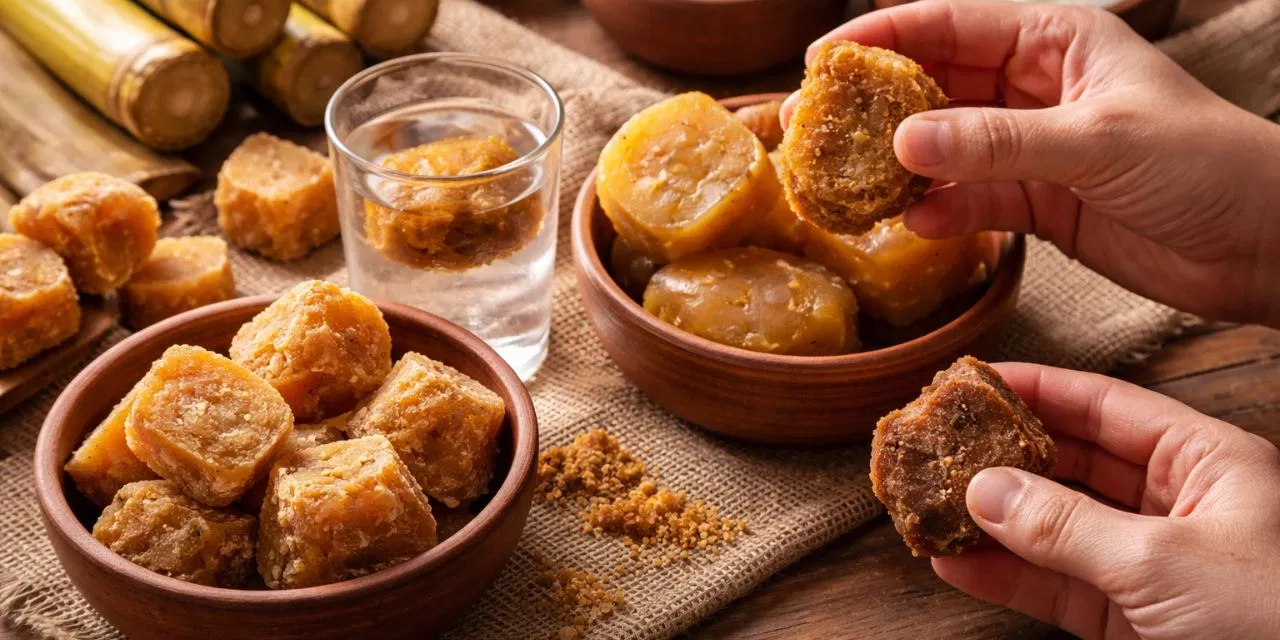
Jaggery, commonly referred to as gur, is a staple in numerous Indian households, often used as a healthier substitute for refined sugar. Despite its popularity, food experts have raised concerns regarding the potential for adulteration in commercially sold jaggery. This could include harmful additives such as chalk powder and various chemicals. In response to these concerns, the Food Safety and Standards Authority of India (FSSAI) has provided a straightforward method for consumers to assess the purity of jaggery at home.

Method for Checking Jaggery Purity

The purity test recommended by FSSAI is simple, requiring minimal time and just water. The process is as follows: take a small piece of jaggery and place it in a glass of clean water. After allowing it to sit for a few minutes, observe the results. If the jaggery completely dissolves without leaving any residue, it is likely to be pure. Conversely, if particles accumulate at the bottom of the glass, this may indicate the presence of adulterants, suggesting that the jaggery is not safe for consumption. This quick test offers an effective means for consumers to evaluate jaggery quality prior to incorporating it into their meals.

Concerns Regarding Adulterated Jaggery

Jaggery is produced by boiling sugarcane juice until it attains a thick, solid form, and traditionally, this process does not involve chemical additives. However, to enhance color or increase weight, some vendors may incorporate substances like chalk powder or other unauthorized additives. Such impurities can compromise both the taste and safety of jaggery. Regular intake of adulterated food products may pose significant health risks, prompting food safety authorities to stress the importance of evaluating quality before purchasing or consuming these items.

Additional Tips for Identifying Pure Jaggery

In addition to the water purity test, consumers can use several visual and sensory indicators to identify high-quality jaggery. The color of genuine jaggery typically ranges from golden brown to dark brown. Jaggery that appears overly bright yellow may be a sign of chemical processing. In terms of texture, pure jaggery is generally solid yet slightly soft when broken. Lastly, authentic jaggery should possess a naturally sweet taste, devoid of any strong chemical aftertaste. By adhering to these guidelines, consumers can make safer choices when selecting jaggery products.

Promoting Food Safety Awareness

The jaggery purity test advocated by FSSAI is part of an ongoing initiative aimed at enhancing food safety awareness, encouraging individuals to verify the quality of everyday food items. Simple do-it-yourself tests such as this empower households to make informed choices and mitigate the risks associated with consuming adulterated products. For those who frequently incorporate jaggery into sweets, beverages, or traditional cuisines, dedicating a few moments to assess its purity represents a prudent step toward ensuring better food safety at home.

Long or Short, get news the way you like. No ads. No redirections. Download Newspin and Stay Alert, The CSR Journal Mobile app, for fast, crisp, clean updates!

App Store –  https://apps.apple.com/in/app/newspin/id6746449540 

Google Play Store – https://play.google.com/store/apps/details?id=com.inventifweb.newspin&pcampaignid=web_share

Latest News

Popular Videos
