


app-store-logo
play-store-logo
February 18, 2026

Delhi High Court Dismisses PIL Seeking Special Police Units for Missing Persons
The CSR Journal Magazine

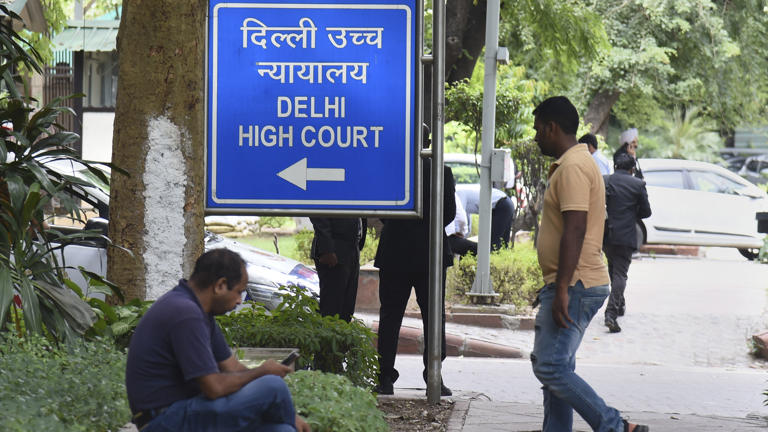
The Delhi High Court has turned down a public interest litigation (PIL) that sought comprehensive changes to the management of missing persons cases within the national capital. On Wednesday, Chief Justice D.K. Upadhyaya and Justice Tejas Karia of a division bench stated that decisions regarding policing and organizational structures should remain with police authorities. The court labeled the requests made in the petition as “omnibus” and pointed out the lack of concrete evidence to substantiate the claims presented.

The PIL requested the formation of dedicated units at each police station specifically for dealing with missing persons, mandated filing of First Information Reports (FIRs) in all instances of disappearances, an inquiry by the Central Bureau of Investigation (CBI) into such cases, and the establishment of a supervisory body led by a retired High Court judge to oversee a task force. This action was proposed due to what the petition described as a concerning increase in the number of missing persons in the area.

However, the court indicated that issuing such broad directives requires specific and undeniable material evidence, rather than general claims or statistics derived from media reports. The judges emphasized that the petition did not showcase any situations in which police failed to register an FIR when approached by family members of missing individuals. Without such specific examples, the bench noted that they could not grant the reliefs requested.

Court: Policing Is Not Judiciary’s Role

During the proceedings, the judges commented that while addressing social issues through petitions is important, it is distinct from presenting the court with precise legal grievances. Policing strategies and decisions about whether to launch specialized units at police stations are viewed as responsibilities of the police authorities, not the judiciary.

The court also declined to grant the petition’s request for a CBI investigation into all missing persons cases, reiterating that such orders cannot be mandated without individual cases warranting scrutiny. The bench maintained that it is ultimately up to the relevant authorities to determine how policing should be conducted.

In a related matter, the bench issued a notice to the Central Government, the Delhi Government, and the Delhi Police in response to a separate PIL filed by Jayeeta Deb Sarkar. This new petition calls for information and actions regarding individuals who have not been traced in the city. The court instructed the authorities to furnish their responses within four weeks and has scheduled a further hearing for April.

Plea Seeks Updates, Strong Measures on 53,000 Missing Persons

The second petition requests that the police provide updates on the status of individuals who remain unaccounted for and urges the formulation of a robust protective framework and institutional measures to avert disappearances. It additionally seeks to trace and report on approximately 53,000 people who have reportedly been missing over the past ten years.

The plea argues that the rights to be located and to have thorough investigations into cases of missing persons are fundamentally tied to the right to life and personal liberty as enshrined in Article 21 of the Constitution. This is especially pertinent given risks associated with trafficking, forced labor, and various forms of exploitation.

Latest News

Popular Videos
