


Darjeeling’s Himalayan Frog Population Faces Genetic Isolation and Hunting Threats
The CSR Journal Magazine

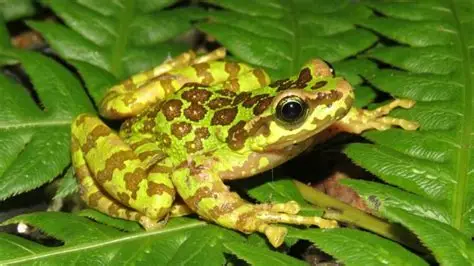
A recent study reveals that the Marbled Cascade Frog (Amolops marmoratus), native to the Darjeeling and Kalimpong regions, is under significant threat from both genetic isolation and hunting practices. The study was conducted by a collaborative team of 12 scientists from various institutions including the University of Calcutta and the Zoological Survey of India. Findings have been published in the international journal BMC Genomics.

The Marbled Cascade Frog, known locally as ‘Sisne Paha’ or ‘Sisne Paa’, has historically been harvested by local communities for food and its uses in traditional medicine. This prolonged interaction with humans may have implications on the genetic makeup of the species, which the team aimed to investigate through comprehensive DNA analyses.

The study involved genetic sampling from 57 different locations throughout the Darjeeling Hill region, encompassing a variety of aquatic habitats from waterfalls to fast-flowing streams at altitudes ranging from 200 to 2,400 metres. The researchers analysed the morphological characteristics of 60 frogs and conducted DNA assessments on 35 specimens to confirm the species’ identity.

Findings Indicate Low Genetic Diversity

Results indicated that the Darjeeling population of the Marbled Cascade Frog exhibits low genetic diversity compared to populations in other parts of Asia. Standard genetic markers, specifically the 16S rRNA and COI genes, were employed for analysis, and comparisons revealed that genetic variation was markedly reduced in Darjeeling when compared to frogs from Myanmar, Southeast Asia, and China.

Furthermore, the genetic distance analysis showed the greatest genetic divergence between the Darjeeling population and populations found in China. This suggests that the frogs in Darjeeling are genetically distinct, likely owing to geographical isolation and limited gene flow among populations.

In addition to genetic assessments, researchers estimated the divergence time of the species. The findings suggest that the common ancestor of the species in Asia existed approximately 17.4 million years ago, with the Darjeeling lineage separating about 11.2 million years ago and diversifying across the region around 0.94 million years ago.

Impact of Local Hunting Practices and Conservation Needs

The study addresses the impact of local hunting practices, which pose additional threats to genetic diversity within the Darjeeling population. Residents commonly capture frogs during the monsoon season, focusing on species such as Amolops marmoratus and Nanorana liebigii. The former is notably more prevalent and faces higher harvesting pressures.

Dr Rakesh Tamang, leading the study, emphasised the importance of integrating the findings into conservation strategies. He noted that the distinct population with heightened vulnerability is a critical factor that must be considered in future conservation efforts.

Local frog populations, including their habitats, are essential for maintaining ecological stability in the Eastern Himalayas. The researchers advocate for measures to mitigate hunting, increase awareness among community members, and prioritise habitat protection. Such initiatives are vital for ensuring the long-term survival of these unique amphibians, whose decline could indicate broader environmental issues.

Furthermore, the study has generated COI gene sequences specifically from Darjeeling specimens, contributing to the framework for future barcoding and environmental DNA monitoring projects. The emphasis on conservation awareness and habitat protection aims to safeguard both the frogs and their ecosystem. This study not only fills a significant gap in research concerning Himalayan amphibians but also highlights the urgency of proactive conservation measures.

Long or Short, get news the way you like. No ads. No redirections. Download Newspin and Stay Alert, The CSR Journal Mobile app, for fast, crisp, clean updates!

App Store –  https://apps.apple.com/in/app/newspin/id6746449540 

Google Play Store – https://play.google.com/store/apps/details?id=com.inventifweb.newspin&pcampaignid=web_share

Latest News

Popular Videos
