


app-store-logo
play-store-logo
March 13, 2026

Coconut Water vs Buttermilk: Which Beverage Offers Better Hydration in Summers?
The CSR Journal Magazine

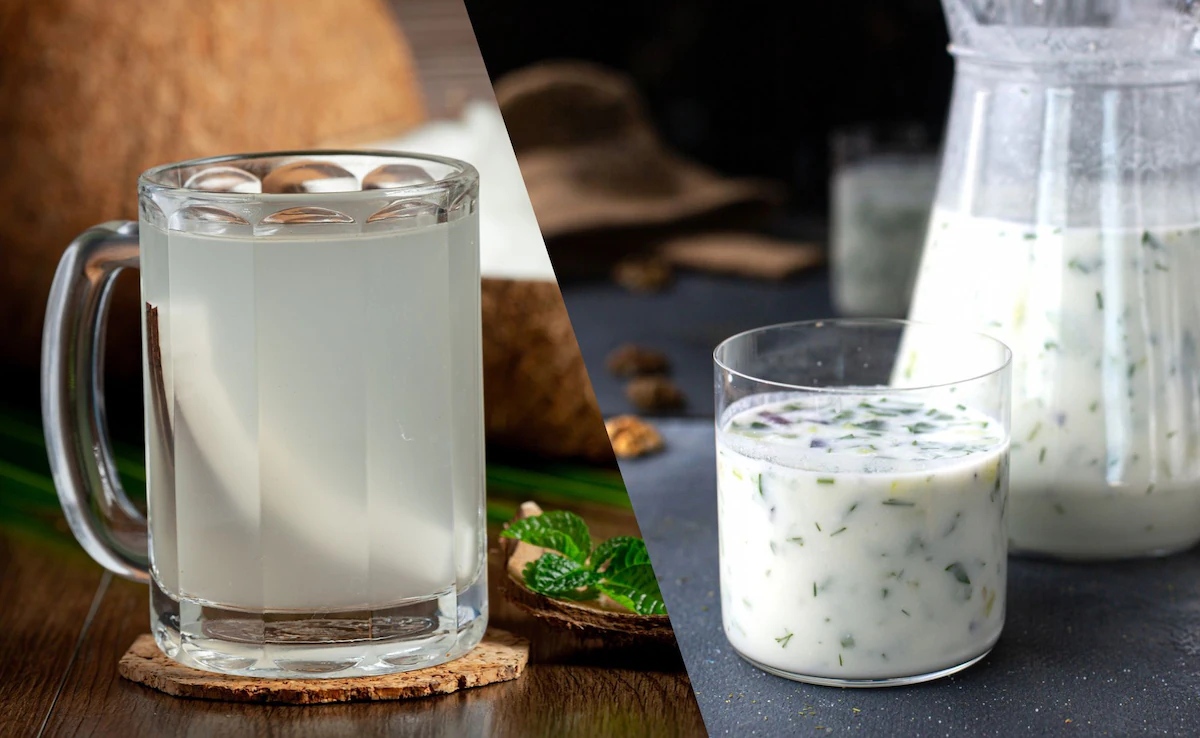
As summer temperatures soar, maintaining hydration is crucial. Excessive sweating can lead to a significant loss of water and essential minerals, making it necessary to consume refreshing drinks that help replenish fluids. Popular summer choices in India include buttermilk and coconut water, both of which are natural beverages rich in electrolytes.

However, a common query arises: which of these drinks is more effective for hydration? While coconut water is often recognized for its rapid electrolyte replenishment, buttermilk is known for its cooling effects and digestive benefits. Exploring the advantages of both coconut water and buttermilk can assist individuals in determining the best option for their hydration needs in the warmer months.

A Comparison of Hydration Efficacy

Both coconut water and buttermilk contribute to hydration, albeit in slightly different manners. Coconut water is referred to as a natural electrolyte drink due to its rich content of minerals such as potassium, sodium, magnesium, and calcium, which are instrumental in restoring fluids lost through sweat.

With low sugar and calorie content, it serves as a light and refreshing drink ideal for hot weather. In contrast, buttermilk, known locally as chaas, consists primarily of water and also contains potassium, making it effective for fluid replenishment. It is highly regarded as a cooling beverage for summer consumption.

In essence, coconut water provides swift hydration and a rapid electrolyte boost, whereas buttermilk offers hydration with the added benefit of cooling the stomach.

Health Benefits of Buttermilk in Hot Weather

The advantages of buttermilk extend beyond mere hydration. Primarily, it contains probiotics, which are beneficial for gut health and digestion. Consuming buttermilk after meals can alleviate symptoms such as bloating and acidity that may arise during hot conditions. Furthermore, it assists in regulating body temperature. Traditionally prepared with yogurt, water, and herbs like cumin or mint, buttermilk acts as a refreshing drink for the body.

Additional benefits include maintaining hydration through high water content, supporting digestion during the summer heat, and providing necessary minerals and electrolytes. As a result, many households opt for chaas during lunch on scorching afternoons.

The Electrolyte Advantage of Coconut Water

If electrolyte balance is the primary focus, coconut water typically holds an advantage. Rich in potassium, sodium, magnesium, and calcium, it effectively restores fluid balance and helps mitigate fatigue or cramps induced by sweating. Additionally, coconut water is considered a natural isotonic drink, providing rapid hydration after sun exposure or physical exertion. Nevertheless, this does not undermine the utility of buttermilk, which remains beneficial by offering electrolytes along with digestive support, making it more suitable for consumption after meals rather than during extreme heat conditions.

The discussion surrounding buttermilk versus coconut water does not lead to a definitive conclusion favoring one over the other. Both beverages are among the finest options for staying hydrated during summer. Opt for coconut water when rapid hydration and electrolyte restoration are required. Choose buttermilk when a cooling drink with digestion support is desired. Incorporating both beverages into one’s diet may be an effective strategy for remaining refreshed throughout the summer months.

Long or Short, get news the way you like. No ads. No redirections. Download Newspin and Stay Alert, The CSR Journal Mobile app, for fast, crisp, clean updates!

App Store –  https://apps.apple.com/in/app/newspin/id6746449540 

Google Play Store – https://play.google.com/store/apps/details?id=com.inventifweb.newspin&pcampaignid=web_share

Latest News

Popular Videos
