


Cleopatra’s Lead-Based Kohl May Have Helped Ward Off Eye Infections
The CSR Journal Magazine

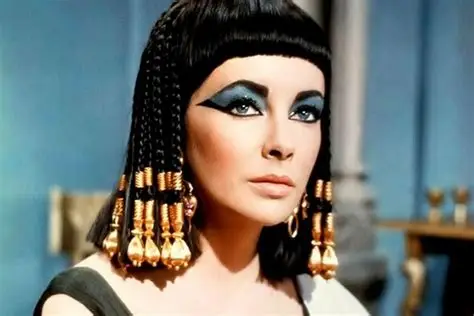
The headline highlights that Cleopatra’s kohl, a form of eye makeup, may have had medicinal properties that helped prevent eye infections. Makeup in ancient Egypt was not merely for aesthetic enhancement but was deeply intertwined with notions of power and protection. This practice transcended social classes, as both men and women across various strata of society adorned their eyes with cosmetics. The use of black and green powders, particularly kohl, was prevalent, contributing to a distinctive look that continues to influence modern beauty standards.

Beyond mere decoration, kohl held significant cultural and spiritual importance. The ancient Egyptians believed that eye makeup provided divine protection and shielded the wearer from illnesses and environmental challenges. The eyes were seen as sacred, with symbols like the Eye of Horus representing safety and well-being. Thus, applying makeup was part of a broader framework that encompassed personal appearance, spiritual safeguarding, and health.

Historical records also indicate that preparations for eye ailments were common, suggesting a blurred line between cosmetics and medicinal remedies in ancient times. This dual purpose of makeup reflects a sophisticated understanding of health and beauty, where the two were not seen as mutually exclusive.

Scientific Investigation of Ancient Cosmetics

The potential health benefits of Egyptian kohl gained attention when French researchers studied its chemical composition. Their findings, published in January 2010 in the journal Analytical Chemistry, explored the connection between lead compounds in ancient cosmetics and the body’s immune response. Chemical analyses revealed several lead-containing ingredients, with laurionite and phosgenite being particularly notable because they were not found in nature in the forms used in cosmetics.

This discovery raised intriguing questions about the knowledge possessed by ancient Egyptian cosmetic makers regarding the properties of their products. The research team, led by Christian Amatore, examined how these compounds interacted with skin cells. Their experiments indicated that low concentrations of lead ions could stimulate keratinocytes to produce nitric oxide, a molecule that plays a crucial role in regulating immune responses and defending against pathogens.

While the study did not conclusively prove that the makeup itself prevented infections, it did demonstrate a biological response under laboratory conditions. This distinction is important, as a reaction observed in cultured cells does not necessarily translate into a definitive health benefit when applied to humans.

Implications for Ancient Health Practices

Eye infections were a significant concern in the ancient world, making the use of eye preparations for health-related purposes particularly relevant. If certain ingredients in kohl promoted nitric oxide production, they could have enhanced the body’s natural defences against bacteria. The researchers estimated that the levels of these compounds in the makeup could have led to a considerable increase in nitric oxide production, suggesting that these substances may have been intentionally crafted for their beneficial properties.

However, the extent to which ancient Egyptians understood the underlying chemistry remains uncertain. It is plausible that their practices were shaped by generations of empirical knowledge rather than formal scientific understanding. The story of Egyptian eye makeup thus reveals a rich tapestry of cultural beliefs, health practices, and artistic expression.

In conclusion, while the exact effects of Cleopatra’s kohl on eye health may never be fully understood, the historical significance of this cosmetic practice offers valuable insights into the interplay between beauty, health, and spirituality in ancient Egypt. The legacy of Cleopatra and her striking eyes continues to captivate modern audiences, serving as a reminder of the complexities of ancient beauty rituals.

Long or Short, get news the way you like. No ads. No redirections. Download Newspin and Stay Alert, The CSR Journal Mobile app, for fast, crisp, clean updates!

App Store – https://apps.apple.com/in/app/newspin/id6746449540

Google Play Store – https://play.google.com/store/apps/details?id=com.inventifweb.newspin&pcampaignid=web_share

Latest News

Popular Videos
