


China’s Diplomatic Intervention Amid Rising Tensions Between Pakistan and Afghanistan
The CSR Journal Magazine

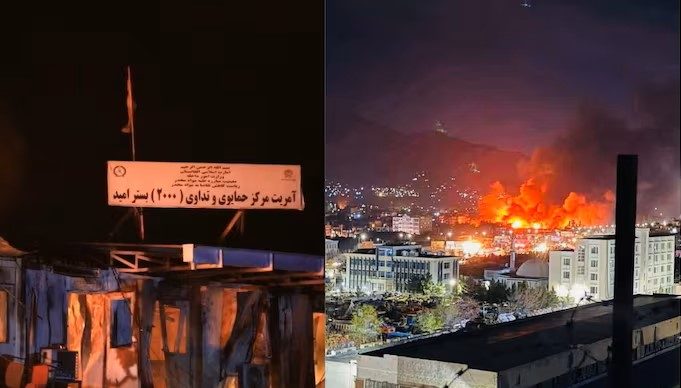
Heightened tensions between Pakistan and Afghanistan have surged following a series of airstrikes conducted in Kabul. This escalation has raised alarms about a potential broader conflict in the region, prompting China to intervene diplomatically. Pakistan has stated that these airstrikes were part of “Operation Ghazab Lil Haq,” aimed at targeting militant infrastructure. In contrast, the Afghan Taliban have vehemently disputed this narrative, asserting that the strikes affected a drug rehabilitation facility, claiming that the death toll could be as high as 400 individuals. Pakistan has categorically denied these allegations, asserting that no civilian sites were targeted during the operation.

Underlying Issues Fueling the Conflict

The latest hostilities stem from deeply rooted tensions between the two nations. Pakistan has long accused the Taliban-led government in Afghanistan of harboring and aiding the Tehrik-i-Taliban Pakistan (TTP), a militant faction linked to a series of violent attacks within Pakistan’s borders. The Taliban authorities continue to reject these claims as unfounded. Additionally, disputes over the Durand Line, a controversial demarcation that has fueled discord for decades, further complicate relations. Recent months have seen an increase in cross-border skirmishes and retaliations, worsening the strain between the neighboring countries.

China’s Role and Strategic Interests

In light of increasing instability, China has amplified its diplomatic initiative to mediate between the two nations. Chinese Foreign Minister Wang Yi has engaged in discussions with officials from both Islamabad and Kabul, advocating for restraint, an immediate ceasefire, and direct negotiations. Beijing has also dispatched a special envoy who is actively moving between the two capitals in an effort to facilitate peace talks. China’s motivations for its involvement are rooted in critical strategic interests. With an investment exceeding $65 billion in Pakistan through the China-Pakistan Economic Corridor (CPEC), a signature project of its Belt and Road Initiative, Beijing is keenly interested in maintaining stability along the Afghanistan-Pakistan border. Disruptions in this region threaten essential infrastructure and crucial trade routes vital to China’s goals of regional connectivity.

Security Concerns Over Extremism

Moreover, safety issues play a significant role in China’s decision to intervene. Beijing is apprehensive that a prolonged conflict could provide fertile ground for extremist factions, potentially posing threats to its western regions. Additionally, Afghanistan’s vast untapped mineral resources, which are estimated to be valued at over $1 trillion, represent a substantial economic opportunity for China, further emphasizing the necessity for stability in the region.

Ongoing Diplomatic Challenges

Despite China’s diplomatic outreach, including appeals from President Xi Jinping urging restraint, the situation remains precarious. The timing of the recent airstrikes, occurring shortly after intensive mediation attempts, indicates that nationalist and security interests on both sides may be prioritizing immediate concerns over diplomatic resolutions. As tensions persist, the danger of further escalation is significant. It remains uncertain whether China’s mediation will effectively bring both parties to the negotiating table, yet the implications for regional stability and international strategic interests are undeniably critical.

Long or Short, get news the way you like. No ads. No redirections. Download Newspin and Stay Alert, The CSR Journal Mobile app, for fast, crisp, clean updates!

App Store –  https://apps.apple.com/in/app/newspin/id6746449540 

Google Play Store – https://play.google.com/store/apps/details?id=com.inventifweb.newspin&pcampaignid=web_share

Latest News

Popular Videos
