


app-store-logo
play-store-logo
March 9, 2026

Chief Justice Calls for Greater Female Representation in Judiciary
The CSR Journal Magazine

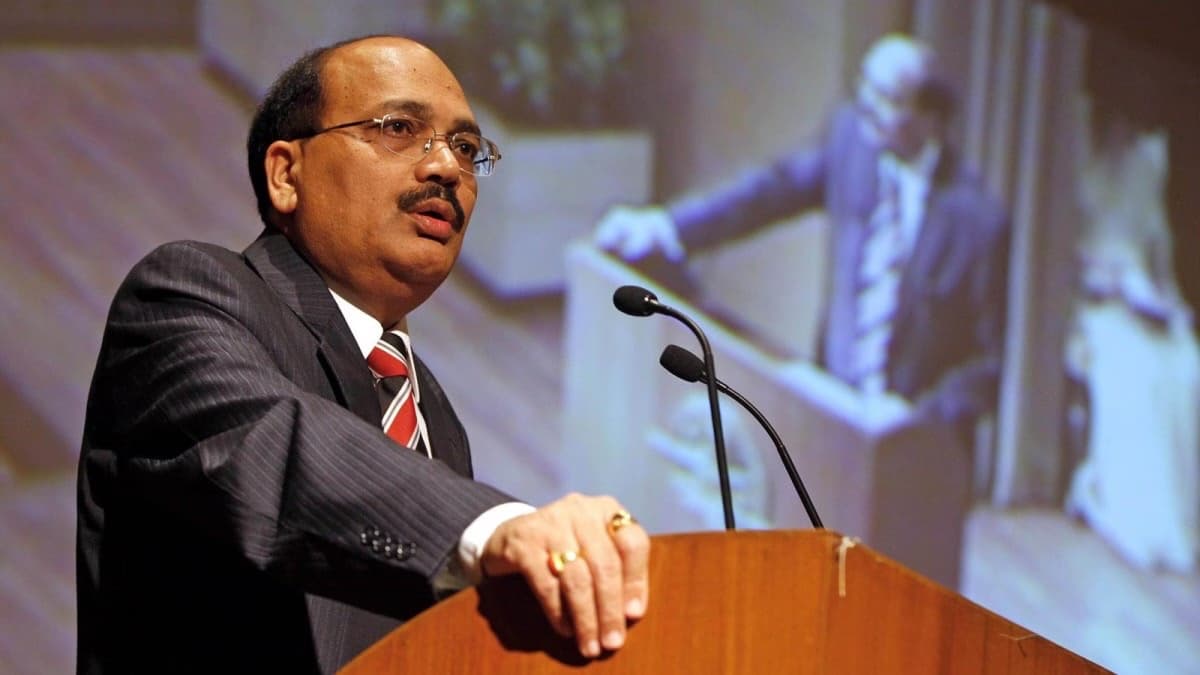
On the occasion of International Women’s Day, Chief Justice Surya Kant highlighted the ongoing gender imbalance within the Indian judiciary, pointing out that only one of the 33 judges in the Supreme Court and approximately 15% of judges in High Courts are women. He emphasized that achieving equitable representation for women in the judiciary is a critical yet unfinished task. CJI Kant urged High Court collegiums to prioritize the elevation of women to judicial positions.

Out of a total of 781 judges servicing 25 High Courts across the country, women hold merely 116 positions, a stark statistic that reflects systemic issues in judicial appointments. Historical data shows that only 291 women judges have been appointed to High Courts from a total of 5,161 appointments, representing a minimal 5.6%. Notably, there have been no female appointments to the Supreme Court since September 2021.

During his address at an event themed “Half the Nation, Half the Bench,” CJI Kant articulated the significance of including women judges, stating that while they do not introduce a distinct standard of justice, they do offer unique perspectives and enhance diversity within the legal system. He underscored the necessity for the judiciary to address the needs and concerns of the 650 million women in India, ensuring that the justice system reflects their experiences and responds fairly to their grievances.

The Chief Justice conveyed that institutional commitment to gender parity should extend beyond mere intention to require imaginative action to effectively realize this goal. He emphasized the immediate need for action, indicating that when competent and deserving women at the Bar are available, their elevation should become the standard practice and not the exception.

CJI Kant stressed the importance of broadening the criteria for judicial appointments and encouraged High Courts to avoid rejecting qualified candidates simply based on age limitations. He noted that in certain High Courts, if no suitable women candidates are found within a specific age bracket, this should not pose an insurmountable barrier to their appointment.

While acknowledging that efforts are being made to increase the number of women judges, he insisted that more must be done. Currently, two High Courts are led by women chief justices, and with the forthcoming elevation of Justice Lisa Gill, this number is expected to increase to three. The Punjab and Haryana High Court currently boasts 18 sitting women judges, indicating some progress in women’s representation.

CJI Kant concluded by asserting that each woman who ascends to the bench sends a significant message to those still facing challenges. He reiterated the notion that their perseverance is recognized and valued in the ongoing effort to achieve gender balance in the judiciary.

Long or Short, get news the way you like. No ads. No redirections. Download Newspin and Stay Alert, The CSR Journal Mobile app, for fast, crisp, clean updates!

App Store –  https://apps.apple.com/in/app/newspin/id6746449540 

Google Play Store – https://play.google.com/store/apps/details?id=com.inventifweb.newspin&pcampaignid=web_share

Latest News

Popular Videos
