


Census 2027 Commences with Self-Enumeration by Top Leaders
The CSR Journal Magazine

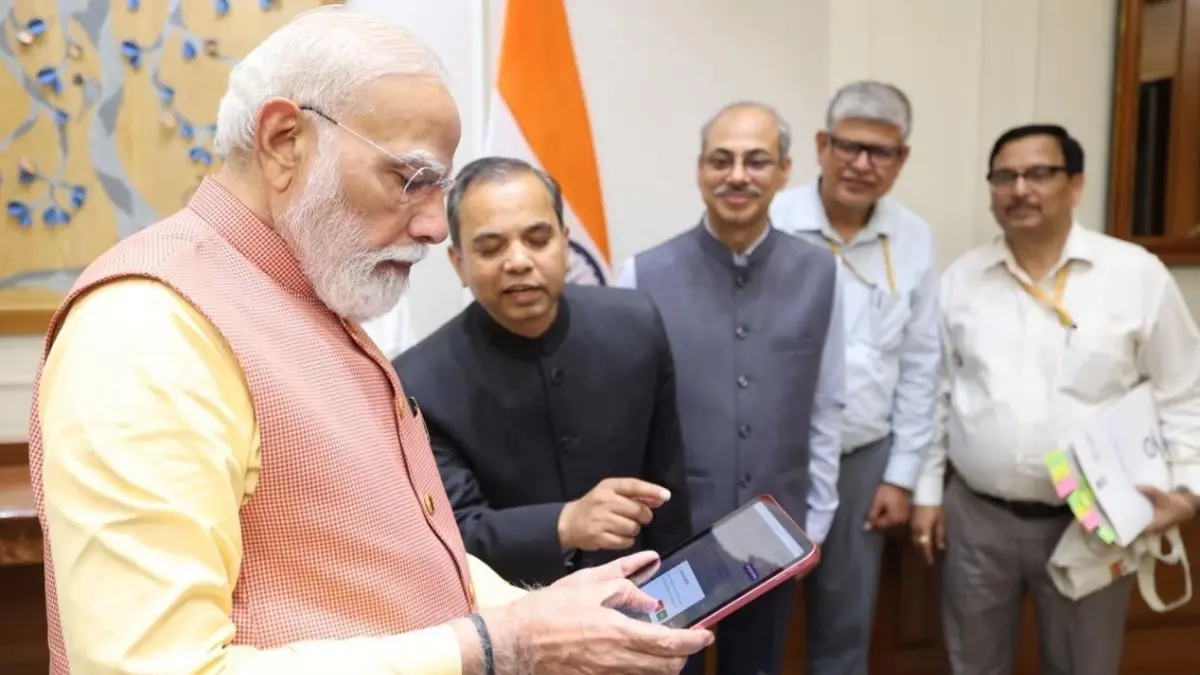
The Census 2027 initiative has officially begun, marking a crucial step in India’s demographic data collection processes. Prominent leaders, including President Droupadi Murmu and Prime Minister Narendra Modi, have taken part in the self-enumeration process, setting an example for the nation. This event underscores the government’s emphasis on ensuring comprehensive participation in the census.

Self-enumeration allows individuals to fill out their own census forms, a significant shift from previous practices where enumerators visited households. The approach aims to enhance accuracy and efficiency, reflecting a modernized methodology in collecting essential demographics. Participants receive guidance through various platforms to assist in completing the process accurately.

Significance of the Census 2027

Census data holds vital importance for policy-making and resource allocation across India. The data collected provides insights into population trends, socio-economic conditions, and demographic changes. This information is crucial for formulating effective government programs aimed at addressing the diverse needs of the population and guiding developmental strategies.

In addition to the central leaders, several state officials have also engaged in the self-enumeration process. By participating, these leaders aim to encourage citizens within their jurisdictions to actively take part in the census. State governments view this as an opportunity to emphasize the importance of accurate demographic data for local planning and service delivery.

Technology Integration in Census Activities

The Census 2027 will leverage advanced technology to facilitate the enumeration process. Mobile applications and online platforms are being utilized to streamline the collection and processing of data. This modernization is anticipated to reduce operational challenges while improving the speed and efficiency of data gathering.

Simultaneously, the government has rolled out awareness campaigns to educate the public about the significance of the census. Various communication strategies, including public service announcements, seminars, and community engagements, are designed to inform citizens about their role in the process and the importance of providing accurate information.

Timeline and Collection Phases

The Census 2027 process is scheduled to take place in several phases. Initial self-enumeration is expected to span a determined period, after which enumerators will follow up to gather supplementary information where necessary. This phased approach aims to maximise participation while accommodating diverse conditions across regions.

The government is actively partnering with local organizations and community groups to ensure broader outreach. These collaborations are focused on encouraging participation from marginalized communities, ensuring that every demographic group is represented in the census data collection.

Anticipated Challenges and Responses

As with any large-scale initiative, the Census 2027 may face challenges, including ensuring widespread participation and managing data privacy concerns. The government has stated its commitment to addressing these issues by implementing robust protocols and transparent measures to safeguard personal information while maintaining the integrity of data collection.

Long or Short, get news the way you like. No ads. No redirections. Download Newspin and Stay Alert, The CSR Journal Mobile app, for fast, crisp, clean updates!

App Store –  https://apps.apple.com/in/app/newspin/id6746449540 

Google Play Store – https://play.google.com/store/apps/details?id=com.inventifweb.newspin&pcampaignid=web_share

Latest News

Popular Videos
