


Atanu Chakraborty Resigns from HDFC Bank: Why He Stepped Down Over Values–Practice Mismatch
The CSR Journal Magazine

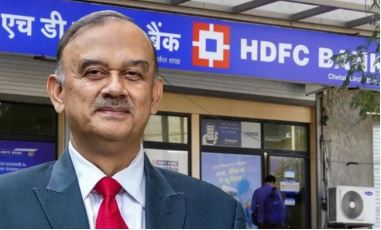
Former chairman Atanu Chakraborty has publicly addressed his resignation from HDFC Bank, indicating that it stemmed from a growing divergence between his personal values and what he witnessed within the institution over time. In his initial comments following his exit, Chakraborty described the situation as a prolonged period of discomfort characterized by an “incongruence” that culminated in a serious dilemma. He emphasized that there was no singular event prompting his departure, instead portraying it as a gradual build-up of unease.

Context of His Resignation

Chakraborty, who held the position of non-executive chairman, clarified that his resignation should not be tied to any one specific incident. He asserted that even a minor delay in his departure would likely have led to similar speculation about underlying issues. According to him, his role required maintaining high benchmarks of integrity, transparency, and accountability, benefiting both shareholders and customers. He affirmed that the focus of banking should remain on fostering long-term relationships instead of merely pursuing short-term interests.

Concerns About Governance

While Chakraborty refrained from delving into specific details regarding board discussions, he mentioned concerns surrounding operations in Dubai, an area that has faced regulatory scrutiny since 2018. He referred to customer onboarding practices, acknowledging existing criticisms. Chakraborty also portrayed a sense of urgency for addressing such matters. He stated that if numerous customers are adversely affected, it results in reputational risks for the institution. Such issues, he argued, should ideally be prevented beforehand and dealt with promptly if they arise.

Focus on Performance Issues

In addition to governance concerns, Chakraborty outlined areas of suboptimal performance, notably the bank’s share price, which he felt had not met expectations, thereby not maximizing shareholder value. He highlighted additional concerns regarding the low levels of CASA and higher cost-to-income ratios. He reiterated that these factors are significant for independent directors charged with safeguarding shareholder interests. Furthermore, he dismissed claims that these challenges were connected to the merger with HDFC Ltd, commending it as a beneficial move that enhanced the bank’s asset portfolio.

Emphasis on Core Values

Throughout the interview, Chakraborty maintained that his concerns were reflective of broader principles. He asserted that independent directors must adhere to values such as honesty and accountability, ensuring that management decisions align with the interests of customers, shareholders, and the larger financial ecosystem. He underscored the necessity for robust internal controls that can deter risky behaviors before problems emerge, as opposed to solely depending on corrections after the fact.

A Personal Reflection on Values

Chakraborty shared that differing opinions on fundamental values could position a director in a challenging scenario. He expressed that when a significant incongruence arises, it creates a dilemma. Instead of imposing his perspectives on others, he opted to resign when the gap between his views and those of the institution became insurmountable. Despite his departure, he conveyed his trust in the bank’s middle management, which he characterized as capable and dynamic, believing they will play a crucial role in the institution’s future development.

Long or Short, get news the way you like. No ads. No redirections. Download Newspin and Stay Alert, The CSR Journal Mobile app, for fast, crisp, clean updates!

App Store –  https://apps.apple.com/in/app/newspin/id6746449540 

Google Play Store – https://play.google.com/store/apps/details?id=com.inventifweb.newspin&pcampaignid=web_share

Latest News

Popular Videos
