


Artemis-II Astronauts Observe Five Flashes on the Moon During Flight
The CSR Journal Magazine

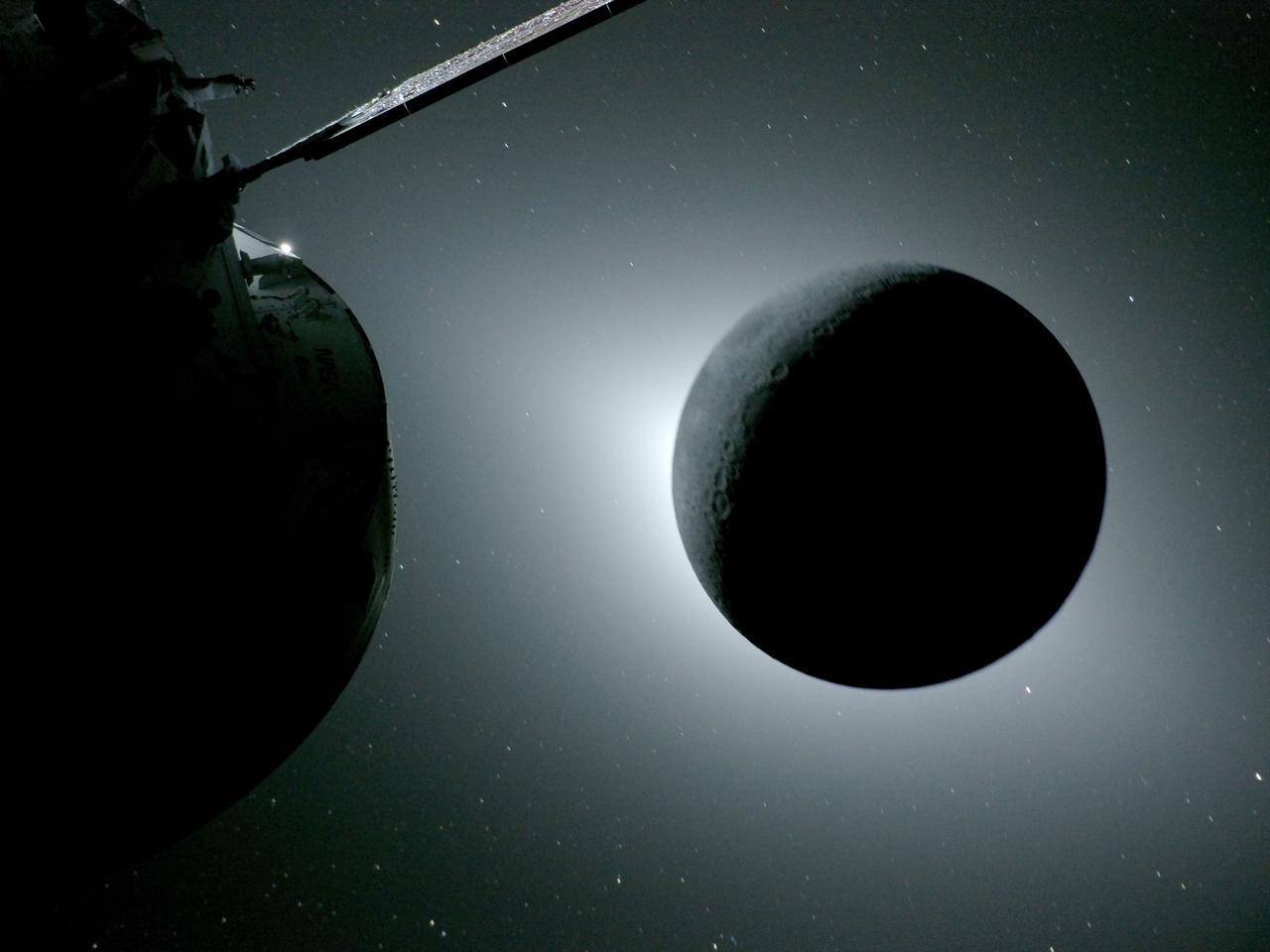
The astronauts involved in NASA’s Artemis II mission experienced a remarkable event while orbiting the Moon, identifying five brief flashes of light on the lunar surface from a distance of nearly 74,000 kilometres. These flashes, described as faint pinpricks, were the result of small rocky fragments crashing into the Moon at extremely high velocities. This occurrence formed part of a scientific experiment specifically designed for the Artemis II mission, which took place in April 2026.

Lunar scientists had encouraged the astronauts to look for impact events, but the crew’s report of five distinct flashes surprised even the scientific community. The planned observations aimed to provide new insights into lunar impacts and assess their potential significance for future lunar exploration.

Nature of the Flashes Identified

Nasa confirmed that the flashes were generated by tiny space rocks, likely measuring no more than a few inches across, striking the lunar surface at incredible speeds. Even small pieces of debris can create substantial impacts on the Moon, where there is minimal atmosphere to incinerate incoming objects. Consequently, even diminutive fragments can collide directly with the lunar terrain, producing observable flashes of light.

The science team originally contemplated whether the observed flashes might be attributable to cosmic rays or reflections coming from the Orion spacecraft. However, a thorough examination ultimately substantiated the astronauts’ reports as confirmed lunar impact flashes.

The incident represents a significant confirmation of previous findings, building on reports from Apollo astronauts who had also noted similar phenomena during their missions. The Artemis II crew’s observations are believed to be some of the faintest lunar impact flashes ever seen without specialised equipment.

Significance of the Findings for Future Missions

The importance of these observations extends beyond the immediate excitement of spotting flashes on the Moon. They provide scientists with crucial data to better understand the frequency at which small rocks collide with the lunar surface. This knowledge will be vital as NASA aims to maintain a sustainable human presence on the Moon through its Artemis programme.

Understanding the impact rates of these small rock fragments can assist engineers in evaluating potential risks to astronauts, scientific instruments, and future lunar habitats and infrastructure. Given the plans for establishing long-term missions, this research could underpin necessary safety measures to protect individuals and equipment on the Moon.

Consequently, the five tiny flashes detected during the Artemis II mission serve as a valuable source of information regarding an unseen hazard, highlighting a challenging aspect of returning humans to the lunar surface once more. The findings may revolutionise assessments of lunar safety as humanity prepares for extended exploration and habitation of this celestial body.

Long or Short, get news the way you like. No ads. No redirections. Download Newspin and Stay Alert, The CSR Journal Mobile app, for fast, crisp, clean updates!

App Store –  https://apps.apple.com/in/app/newspin/id6746449540 

Google Play Store – https://play.google.com/store/apps/details?id=com.inventifweb.newspin&pcampaignid=web_share

Latest News

Popular Videos
