


US-Iran Talks End Without Deal After 20-Hour Negotiations In Pakistan
The CSR Journal Magazine

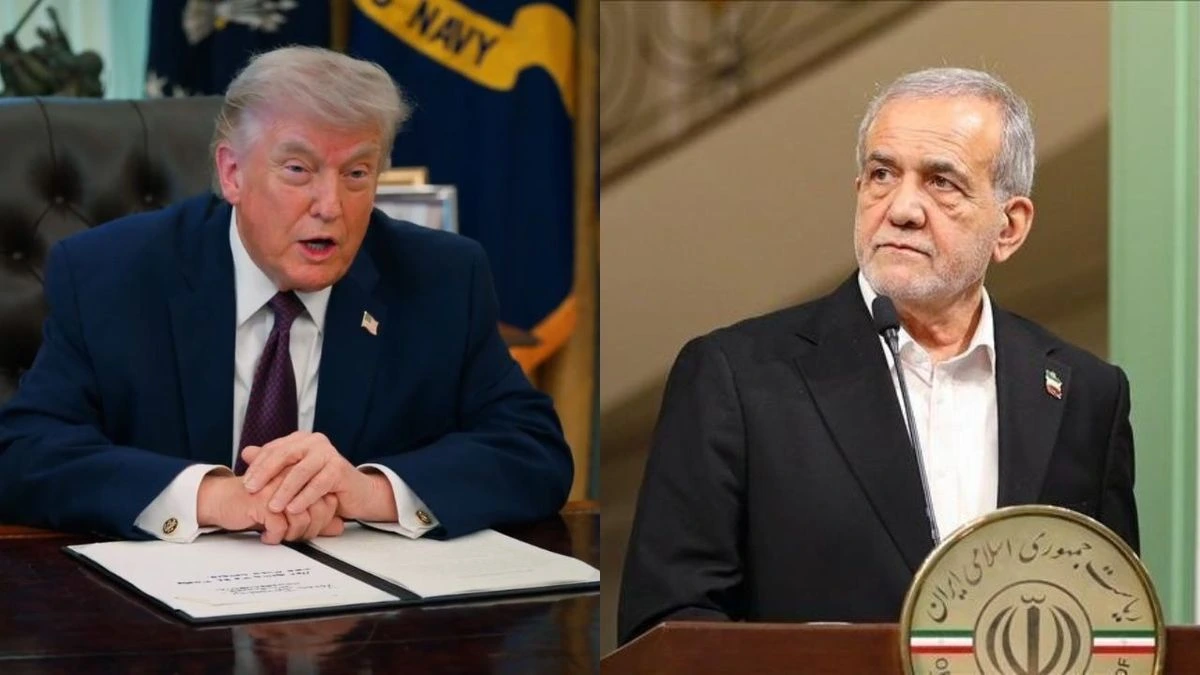
The recent discussions between the United States and Iran, which took place in Pakistan, lasted over 20 hours but ultimately did not yield a deal. This marked the first direct engagement between the two nations in over a decade, following a 14-day ceasefire that was intended to create diplomatic opportunities. According to US President Donald Trump, the failure of the negotiations can be attributed to two primary concerns held by Iran, which he described in a series of posts on Truth Social.

Trump asserted that Iran’s insistence on financial support and its nuclear ambitions were incompatible with the United States’ requirements for a successful agreement. He stated that Iran’s demands demonstrate a rigid position that could not be negotiated, which contributed to the breakdown of talks. Additionally, he issued a strong message regarding US military readiness, suggesting that any hostile actions from Iran would be met with a robust military response.

Iran’s Perspective on Negotiation Breakdown

In contrast, Iranian officials provided a different interpretation of why agreements were not finalised. They attributed the collapse of negotiations to a perceived lack of trust in the commitments made by the US. Mohammad Baqer Qalibaf, the Speaker of Iran’s Parliament, remarked that the US had failed to instil confidence despite Iran’s constructive proposals. He emphasised the importance of the US deciding whether it could earn Iran’s trust in future discussions.

Furthermore, Iran’s representatives maintained that the US lacked significant willingness to meet their terms, which contributed to the breakdown of dialogue. They argued that the US must reconsider its approach and demonstrate genuine commitment to resolving the issues at hand.

Despite the failure to reach a conclusive agreement, officials from both sides acknowledged that certain points of agreement were reached during negotiations. Trump noted that the discussions had a positive tone, with representatives expressing respect for one another as conversations progressed.

Future Implications and Military Posture

In light of the failed negotiations, Trump announced plans to escalate military pressure by enforcing a blockade in the strategically important Strait of Hormuz. This directive was framed as a response to Iran’s alleged threats to maritime security, which he described as efforts at “world extortion.” Trump emphasised that any hostile actions against US forces or peaceful vessels would trigger severe consequences.

He added that the United States Navy would begin operations aimed at preventing ships from entering or leaving the Strait of Hormuz. This blockade was presented as a proactive measure to safeguard US interests and to maintain peace in international waters. Trump’s statements reflect the heightened tensions that have characterised US-Iran relations in recent years.

The US administration has reiterated that Iran must agree not to pursue nuclear weapons as a prerequisite for any future negotiations. Vice President JD Vance commented on Iran’s refusal to accept critical US conditions, reinforcing the notion that progress in diplomatic talks remains hindered by fundamental disagreements on key issues.

Long or Short, get news the way you like. No ads. No redirections. Download Newspin and Stay Alert, The CSR Journal Mobile app, for fast, crisp, clean updates!

App Store –  https://apps.apple.com/in/app/newspin/id6746449540 

Google Play Store – https://play.google.com/store/apps/details?id=com.inventifweb.newspin&pcampaignid=web_share

Latest News

Popular Videos
