


Hydrogen Stove Utilises Water Instead of Gas, Aiming to Replace Traditional Cylinders
The CSR Journal Magazine

A new hydrogen cooking stove in India is transforming kitchen dynamics by eliminating the need for LPG cylinders. This innovative stove, priced at approximately Rs 1,50,000 per unit, operates using green hydrogen, catering to both residential and commercial environments. Rather than relying on stored gas, this stove presents a new method of cooking, aligning with the growing interest in sustainable alternatives.

The Made-in-India product is currently undergoing trials across various sectors, including community kitchens and research facilities. Its introduction reflects a shift towards alternative cooking methods, which may significantly impact future kitchen systems.

Defining Features and Functionality

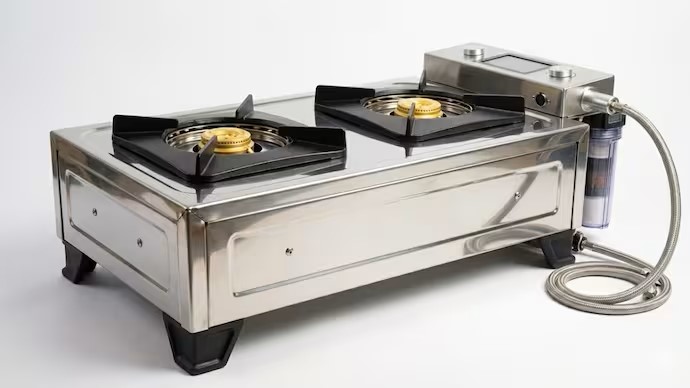
This hydrogen stove differs fundamentally from conventional gas stoves. It has been specifically designed to run exclusively on hydrogen as fuel. Key aspects include its utilisation of 100 per cent green hydrogen, two burners, and its construction from durable stainless steel. It operates as a table-top unit with manual ignition, maintaining a similar appearance to standard stoves while functioning differently.

The device employs a catalytic hydrogen burner, utilising hydrogen as its primary fuel source. This design allows for controlled, low-flame or nearly flameless cooking, ensuring even heat distribution throughout the cooking process. Unlike traditional LPG stoves, it operates with a controlled flow system for hydrogen, thereby enhancing efficiency.

Environmental Impact and Versatility

A significant aspect of this stove is its commitment to zero emissions, generating no carbon monoxide or visible smoke during operation. Its quiet functioning, free from vibration, makes it an ideal choice for indoor settings, where a clean and unobtrusive cooking experience is essential.

While primarily aimed at home kitchens, the stove’s applications extend beyond residential use. It is being assessed for integration into government clean-energy initiatives, research laboratories, community kitchens, and canteens. Furthermore, its potential utility in defence and remote locations, as well as institutional and industrial kitchens, demonstrates its broader implications for energy consumption.

Safety Features and Economic Viability

The utilisation of hydrogen entails specific safety considerations, and this stove incorporates various safety systems into its design. Key safety features include a flame arrestor, a pressure regulation system, and valves that are compatible with hydrogen. These elements are crucial in maintaining stable and secure operation over extended periods.

Despite its innovative technology, the hydrogen stove’s price point of approximately Rs 1,50,000 may render it less accessible for everyday households at this time. Its current primary focus is on pilot projects and organisations exploring clean energy solutions, particularly in large-scale kitchens. Broader adoption will depend on factors such as cost reduction, accessibility to hydrogen, and the user-friendliness of operation.

This hydrogen cooking stove indicates the potential evolution of kitchen technology, moving towards alternative fuels and away from traditional cylinders. While it is unlikely to replace LPG in homes immediately, it represents a significant advancement towards innovative cooking solutions.

Long or Short, get news the way you like. No ads. No redirections. Download Newspin and Stay Alert, The CSR Journal Mobile app, for fast, crisp, clean updates!

App Store –  https://apps.apple.com/in/app/newspin/id6746449540 

Google Play Store – https://play.google.com/store/apps/details?id=com.inventifweb.newspin&pcampaignid=web_share

Latest News

Popular Videos
