


Supreme Court Dissolves Marriage After Ten-Year Legal Battle
The CSR Journal Magazine

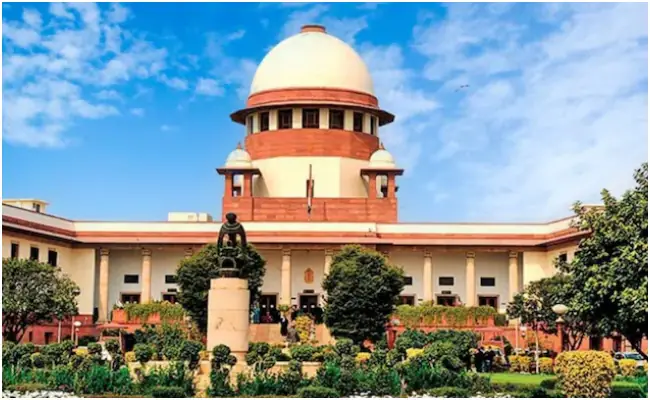
The Supreme Court of India recently concluded a prolonged legal dispute by dissolving the marriage of a couple who have been separated for a decade. This case, which involved over eighty legal proceedings between the parties, was characterised by the bench as a “matrimonial battle of Mahabharata.” Justice Vikram Nath and Justice Sandeep Mehta presided over the ruling, emphasising the extraordinary complexity of the case.

The couple had filed numerous lawsuits against each other, involving relatives and even their respective legal representatives. This atmosphere of conflict led to significant legal and emotional ramifications, which ultimately necessitated judicial intervention to resolve their marital issues comprehensively.

Alimony and Financial Assignments

The Supreme Court ordered the husband to pay alimony of Rs 5 crore to his estranged wife. This financial settlement is viewed as a reflection of the husband’s responsibilities despite his allegations of financial incapacity. The court recognised the high costs involved in modern living and insisted that the husband maintains his legal and moral obligations toward his children’s upbringing.

The bench was particularly critical of the husband, who is a lawyer, for allegedly exploiting his legal knowledge to extend the litigation process unnecessarily. The justices condemned his actions, especially his attempts to intimidate the wife’s legal team by initiating multiple cases against them. This tactic was viewed as an obstruction to the judicial process.

Furthermore, the court dismissed the husband’s assertion that resigning from a corporate directorship had rendered him unable to fulfil his alimony obligations. The justices described this claim as a “subterfuge,” aimed at circumventing his financial duties rather than a genuine reflection of his economic situation.

Judicial Commentary on Responsibilities

In their ruling, the Supreme Court underscored that the intellectual and professional qualifications of the wife do not absolve the husband of his legal responsibilities. The court asserted that regardless of the wife’s career success, the husband remains bound to support their children financially. This assertion reflects a broader understanding of parental responsibilities as defined by legal and moral standards.

Additionally, the court noted that the husband’s argument indicating that he could evade alimony due to his wife’s professional standing was unfounded. The justices firmly declared that such qualifications do not diminish his obligations as a parent. Instead, both parents have a duty to ensure their children’s well-being, irrespective of their individual financial situations.

Concluding their judgment, the justices pointedly remarked on the husband’s tactics, describing his claims of financial incapacity as merely a strategy to evade his responsibilities. They maintained that the husband remains accountable for the welfare of his children, further solidifying the court’s stance on the importance of both parents contributing to their family’s future.

Residential Arrangements Post-Divorce

In a final directive, the Supreme Court ordered the wife to vacate the apartment owned by the husband’s father. This decision signifies an essential step in disentangling the couple’s lives after a decade of legal confrontation. The ruling aimed to bring closure to their lengthy dispute while ensuring that both parties could begin anew moving forward.

The complex nature of this case has highlighted various legal intricacies associated with divorce and alimony in India. The court’s decision reflects ongoing tensions related to marital responsibilities and the consequences of prolonged litigation. As the couple’s decade-long feud reaches an end, the ruling underscores vital aspects of family law in the contemporary Indian context.

As this historical case concludes, it emphasises the role of the judiciary in resolving intricate family disputes while ensuring adherence to legal obligations. The Supreme Court’s actions illustrate a firm commitment to promoting justice and upholding the welfare of children amidst complex marital separations.

Long or Short, get news the way you like. No ads. No redirections. Download Newspin and Stay Alert, The CSR Journal Mobile app, for fast, crisp, clean updates!

App Store –  https://apps.apple.com/in/app/newspin/id6746449540 

Google Play Store – https://play.google.com/store/apps/details?id=com.inventifweb.newspin&pcampaignid=web_share

Latest News

Popular Videos
