


Samay Raina’s ‘Still Alive’ Puts Spotlight On India’s Thin Skin Over Humour
The CSR Journal Magazine

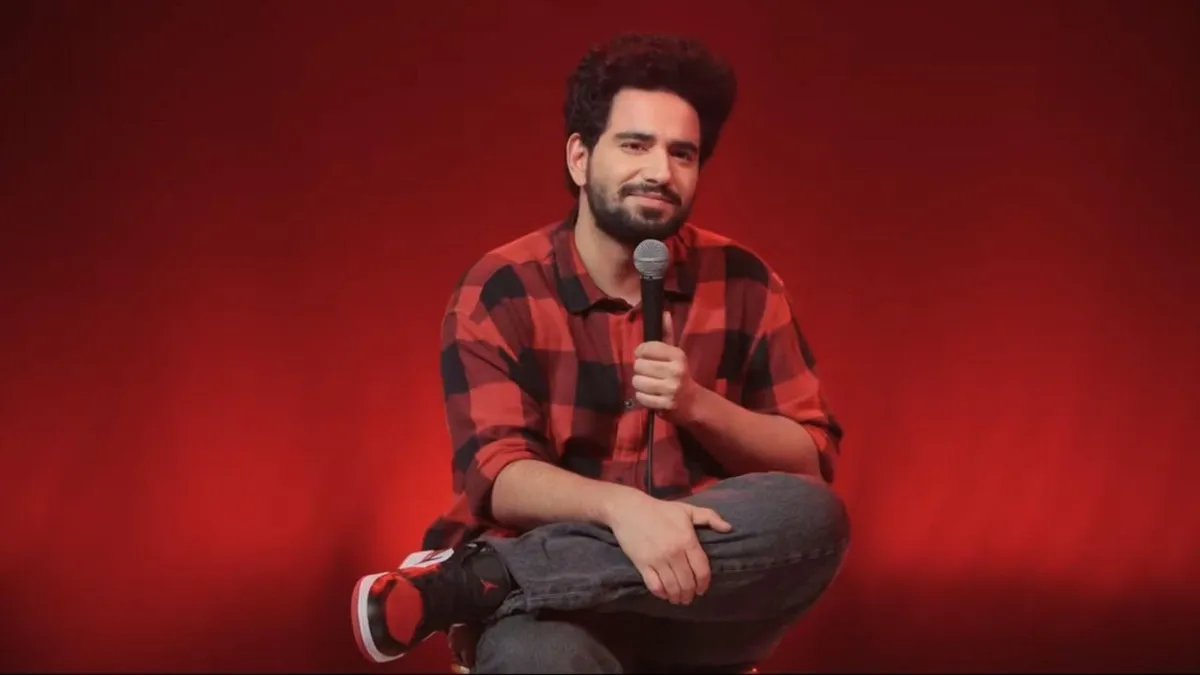
Samay Raina’s latest performance, titled ‘Still Alive’, marked his return to the stand-up scene after the controversy surrounding the ‘India’s Got Latent’ show. Raina addressed the fallout from the incident linked to comedian Ranveer Allahbadia’s inappropriate joke. With a blend of humour and introspection, Raina delved into the complexities that emerged amidst the uproar, examining both personal and societal dynamics.

During the event, Raina not only made audiences laugh but also raised significant questions about the acceptability of comedy in contemporary India. He challenged the audience to reflect on their readiness for thought-provoking humour as he announced a new season of his show, ‘Latent Season 2’. This revival comes after he was compelled to remove all prior episodes from YouTube due to the backlash.

The stark contrast in his narrative – the return to comedy juxtaposed with the severity of the backlash – highlighted the ongoing tensions within Indian humour. Raina’s acknowledgment of the public’s reaction and his experience underscored a critical debate regarding the limits of comedy and audience tolerance.

Public Response to Comedy

The reactions to Raina’s performance echoed broader societal issues, revealing a trend in which comedians often face harsh scrutiny. Just days after Raina’s show, fellow comedian Zakir Khan encountered a similar backlash after making light of cinema-related success, further indicating a culture that oscillates between appreciation and outrage.

Such situations prompt reflection on the nature of comedy itself. Is the public merely reacting to jokes, or are they responding to a deeper discomfort with laughter that touches upon sensitive topics? The dynamics of audience engagement with humour are becoming increasingly selective, favouring jokes that remain within perceived safe boundaries.

As humour evolves, it often strays into realms of politics and societal critique; this can provoke strong reactions from audiences. The core issue revolves not just around specific jokes but rather the broader context of what is deemed acceptable in comedic discourse. Many comedians find themselves navigating precarious boundaries that are subject to constant reevaluation, largely influenced by public sentiment.

The Role of Comedy in Society

Raina’s performance also attempted to reclaim the essence of stand-up, striving to move beyond light-hearted banter and venture into deeper reflections that resonate with the audience’s realities. However, this brings forth the crucial question: is the audience prepared to accept such shifts in comedic tone without immediately reacting?

Moreover, the challenge lies in distinguishing between a problematic joke and malicious intent. An environment that encourages dialogue rather than punitive measures may facilitate a healthier comedic landscape. Accountability exists alongside the necessity of critique; however, the approach to dissent should promote constructive engagement rather than suppression.

Ultimately, the discourse surrounding comedy reflects a larger conversation about freedom of expression and societal responsibility. Citizens must contemplate whether their reactions are fostering meaningful dialogues or opting for outrage as a default response. As demonstrated over the past year, the evolving nature of societal acceptance of humour reveals a complex interplay between personal sensitivities and the comedic arts.

Long or Short, get news the way you like. No ads. No redirections. Download Newspin and Stay Alert, The CSR Journal Mobile app, for fast, crisp, clean updates!

App Store –  https://apps.apple.com/in/app/newspin/id6746449540 

Google Play Store – https://play.google.com/store/apps/details?id=com.inventifweb.newspin&pcampaignid=web_share

Latest News

Popular Videos
