


Trump’s Last-Minute U-Turn: 2-Week Iran Ceasefire Deal Raises Big Question—Peace or Pause Before Escalation?

The CSR Journal Magazine

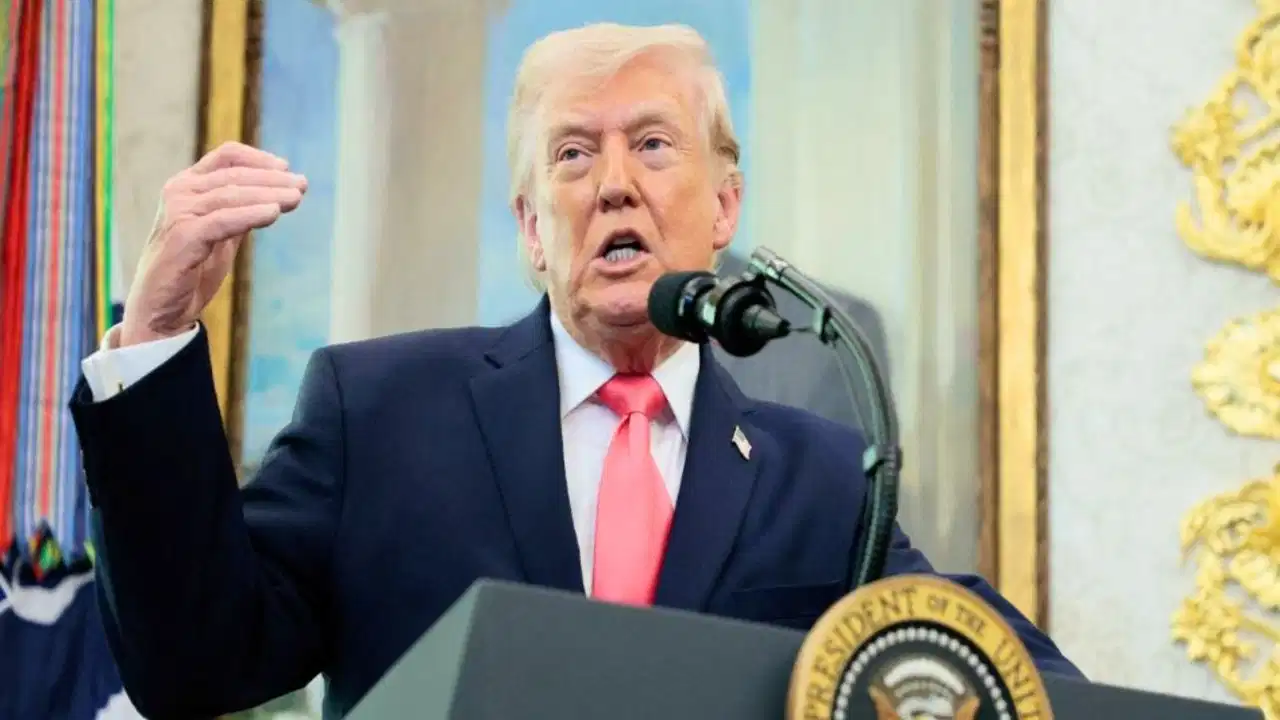
A fragile calm has emerged in the Middle East after US President Donald Trump declared a two-week ceasefire in the ongoing conflict involving Iran. This war has reportedly claimed the lives of over 2,000 individuals in Iran and created significant volatility in the global economy. The roots of this crisis can be traced back to a pivotal meeting between Israeli Prime Minister Benjamin Netanyahu and Trump on February 11, which marked a turning point in U.S-Iran relations.

Netanyahu’s intention was clear: to persuade Trump to authorise a major strike against Iran. Despite being met with some resistance from Trump’s advisors, this approach aligned closely with Trump’s aim to dismantle the Iranian regime. Just a fortnight later, Trump’s approval for Operation Epic Fury would suggest that the conflict was reaching new heights.

Reports indicate that Netanyahu’s influence successfully shifted U.S. policy towards Iran, transforming it from a significant but manageable issue to a military target. This relationship reversal was further complicated by Trump’s administration’s internal disagreements, which would later become evident in the evolving strategy regarding Iran.

Details of the Closed-Door Briefing

The meeting between Netanyahu and Trump, termed “highly classified,” involved key members of Trump’s administration, including Secretary of State Marco Rubio and Defence Secretary Pete Hegseth. Also present were General Dan Caine, Chair of the Joint Chiefs of Staff, CIA Director John Ratcliffe, and White House Chief of Staff Susie Wiles. Notably absent was Vice President JD Vance, who could not participate either in person or virtually.

During the briefing, Netanyahu presented his views confidently, highlighting recent protests in Iran as evidence of a regime ripe for change. He argued that dismantling Iran’s ballistic missile capabilities could be achieved within weeks and would significantly weaken the government’s control, especially over the strategic Strait of Hormuz, which is vital for global oil transport.

Despite Netanyahu’s confidence, the intelligence gathered from Trump’s aides provided a more cautious outlook regarding the potential for military action against Iran. Office discussions focused on the limitations of the proposed objectives, including the efficacy of targeting the Supreme Leader and limiting missile capabilities.

Internal Disagreements within Trump’s Team

On February 12, a meeting among Trump’s inner circle addressed the feasibility of Netanyahu’s military plans. While some members shared concerns, others, like the CIA Director, emphasised the impracticality of achieving Netanyahu’s proposed regime change, deeming it farcical and inefficient. This division highlighted the internal conflicts regarding the approach to Iran.

As the situation escalated, various members of Trump’s team expressed differing views. While some were inclined towards a military intervention, others warned of the ramifications, particularly the perception of betrayal among voters who supported Trump based on his anti-war promises. Secretary Rubio notably advocated for maximum pressure rather than an offensive military approach.

The growing war conflict continued to yield challenges for Trump. Oil prices began to soar, and public sentiment turned contentious as military casualties began to rise. In the backdrop of increasing pressure from his advisors, Trump faced the daunting task of finding a resolution that would allow him to exit the military operation without compromising his perceived leadership.

Path to a Temporary Resolution

As the conflict in Iran persisted, the U.S. President began to recognise the urgency of a diplomatic exit. With economic challenges mounting at home due to rising gas prices and declining market performance, advisors urged a more transparent communication strategy regarding the war’s status. The imperative for clarity became especially necessary as the situation entered its third week.

In response to relentless pressure from his advisors, Trump initiated discussions aimed at negotiations. This effort ultimately led to a truce on March 28, symbolising a significant, albeit temporary, easing of tensions. The ceasefire indicated a shift in focus for the Trump administration, one that aimed to balance military intentions with domestic economic considerations.

Long or Short, get news the way you like. No ads. No redirections. Download Newspin and Stay Alert, The CSR Journal Mobile app, for fast, crisp, clean updates!

App Store –  https://apps.apple.com/in/app/newspin/id6746449540 

Google Play Store – https://play.google.com/store/apps/details?id=com.inventifweb.newspin&pcampaignid=web_share

Latest News

Popular Videos