


“Is Pakistan Doing the Bidding of China?:” Former US Treasury Counterterrorism Analyst
The CSR Journal Magazine

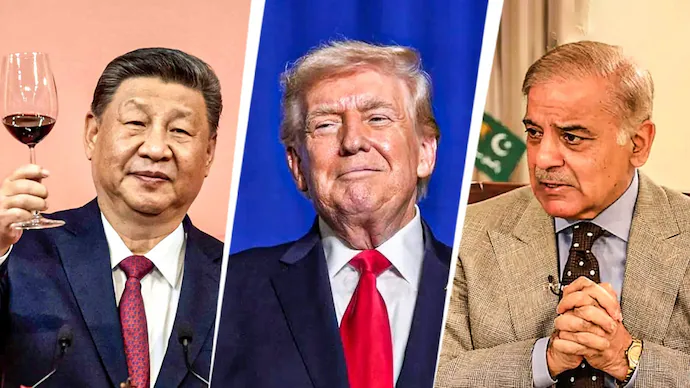
In the aftermath of a recently announced two-week ceasefire between the United States and Iran, Pakistan has been credited as a mediator in these negotiations. However, Jonathan Schanzer, the Executive Director at the Foundation for Defence of Democracies and a former US Treasury counterterrorism analyst, has raised questions about Pakistan’s deeper affiliations with China.

He emphasized that Pakistan’s extensive debt to China may influence its diplomatic actions. Schanzer specifically pointed to China’s Belt and Road Initiative as a key factor in this relationship, suggesting it could shape Pakistani decisions in the ongoing geopolitical landscape.

Pakistan’s Unexpected Role in Global Diplomacy

Schanzer expressed skepticism regarding Pakistan’s recent involvement in US-Iran discussions, describing it as unlikely and unexpected. He noted that the emergence of Pakistan in such a significant capacity at the White House is surprising, given the country’s historical context and previous diplomatic stances. The implications of Pakistan’s participation in negotiations about regional conflicts, such as those relating to Gaza and Iran, raise further questions about its motivations and the potential returns for its involvement.

Concerns Over Foreign Influence in Negotiations

The analyst also highlighted the perspectives of US Vice President JD Vance, who reportedly harbors concerns about foreign influence, particularly relating to China’s involvement in the mediation process between the US and Iran. Schanzer identified Vance as part of a group characterized by a neo-isolationist viewpoint, which is generally skeptical of military interventions aimed at shaping global political climates. Schanzer’s remarks illustrate a complex web of international relations where the influence of China continues to loom large.

Uncertain Future for the Iraq Conflict

Despite the temporary ceasefire, Schanzer cautioned that the conflict is not resolved and underlying tensions remain. He stressed that even if the ceasefire holds and navigation through the Strait of Hormuz is maintained, covert actions aimed at regime change in Iran may persist. He noted that public discontent in Iran remains significant and that various militant groups, which were central to escalating the conflict, still need to be addressed to prevent recurrence.

Iran’s Control Over Maritime Traffic Remains Questionable

Another vital point raised by Schanzer pertains to Iran’s ability to ensure free passage in the Strait of Hormuz. He expressed reservations about whether Iran would allow unrestricted maritime traffic, suggesting potential consequences if it sought to impose conditions or threats on vessels traversing this critical route. While a temporary ceasefire offers a window for negotiations, the analyst warned against becoming complacent, highlighting multiple risks that could arise even in these crucial early days.

Israel’s Support for US Policy Actions

In related developments, Israel has publicly backed the US decision to halt airstrikes against Iran as both nations strive toward establishing a more stable and lasting peace. A statement from Israeli Prime Minister Benjamin Netanyahu emphasized that Israel supports the suspension of military actions, contingent upon Iran’s commitment to open the Strait of Hormuz and cease hostilities against the US, Israel, and neighboring countries. Furthermore, Israel reiterated its commitment to addressing Iran’s nuclear capabilities and reducing regional security threats.

Long or Short, get news the way you like. No ads. No redirections. Download Newspin and Stay Alert, The CSR Journal Mobile app, for fast, crisp, clean updates!

App Store –  https://apps.apple.com/in/app/newspin/id6746449540 

Google Play Store – https://play.google.com/store/apps/details?id=com.inventifweb.newspin&pcampaignid=web_share

Latest News

Popular Videos
