


Supreme Court Begins Final Hearings on Sabarimala Review, Examines Intersection of Religious Freedom and Constitutional Rights
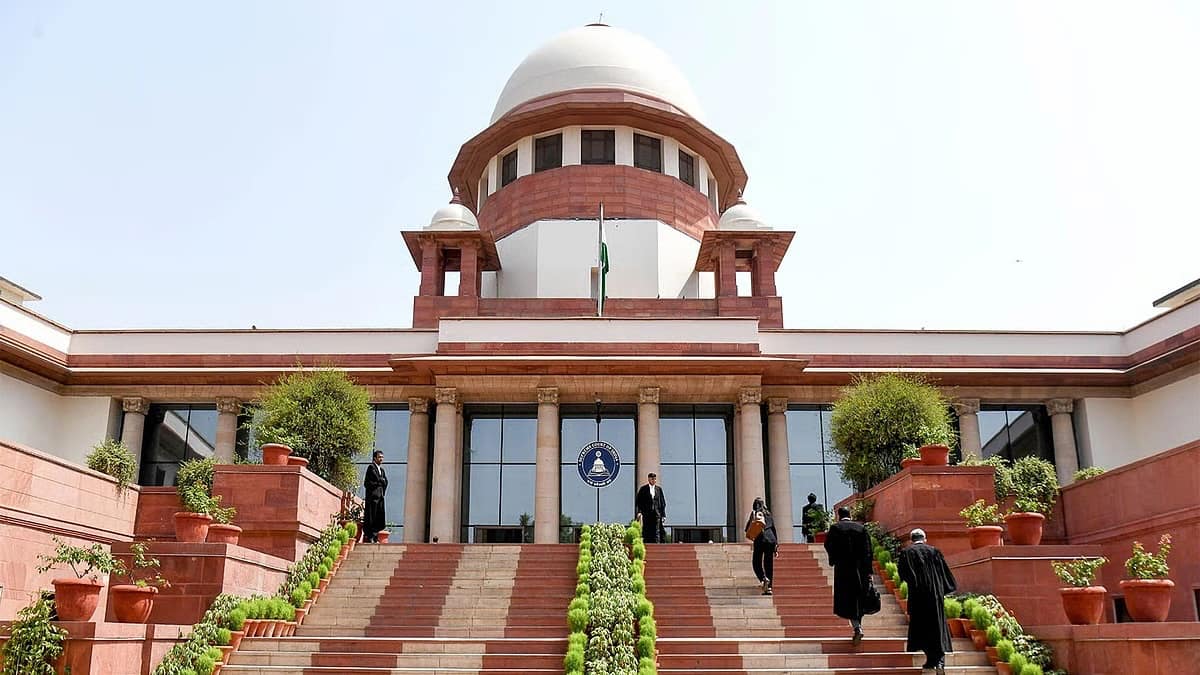

The CSR Journal Magazine

Starting April 7, a nine-judge Constitution Bench of the Supreme Court led by Chief Justice Surya Kant has begun final hearings in the Sabarimala review case, setting the stage for a landmark ruling on whether constitutional rights can override long-standing religious practices.

At the heart of the case lies a fundamental question: in a constitutional democracy, should the right to equality prevail over faith-based customs, or must courts defer to religious traditions?

Historical Context of the Sabarimala Temple

Located in the Pathanamthitta district of Kerala, the Sabarimala Sastha Temple is a renowned pilgrimage destination, situated at a height of 914 metres. Devoted to Lord Ayyappa, who is considered the son of Lord Shiva and the goddess Mohini, the temple is steeped in mythology and tradition. The name Sabarimala is derived from the legend of Sabari, a devotee of Lord Rama, and has historical roots dating back between the 10th and 12th centuries.

The deity is widely respected as a celibate figure who symbolises self-restraint and spirituality. The temple uniquely opens its doors to devotees across caste and religious lines, provided they adhere to a 41-day period of fasting known as the vratham before their pilgrimage. This inclusivity extends to the local Muslim community, with traditions that bridge both faiths, exemplified by a mosque dedicated to Vavar, a figure linked to the temple’s lore.

As the temple’s administration faced internal challenges in 2006, the Board consulted an astrologer to assess potential divine displeasure when allegations arose regarding temple practices, culminating in significant legal and social ramifications.

The Legal Controversy Surrounding Entry Restrictions

The case gained prominence following a controversial incident involving actress Jayamala, who admitted to having touched the idol during a visit back in 1987. This revelation reignited debates over a long-standing ban that prohibits women of menstruating age from entering the temple. The regulation, which some sources claim has existed for over two centuries, transformed from an age-old custom into a legal restriction in 1991 following a ruling by the Kerala High Court.

This historical complexity surrounding the ban complicates the current legal battles over women’s access to the temple. As women began to assert their right to worship, public protests erupted, particularly after the Supreme Court lifted restrictions in a landmark ruling in September 2018, which concluded that biological factors should not dictate religious rights.

In the wake of these tensions, over 50 review petitions were filed, addressing concerns from various community groups. Notably, the decision was made to refer the case to a larger bench to assess broader implications that transcend Sabarimala.

Implications of the Supreme Court’s Review

The Supreme Court’s current proceedings aim to yield a definitive interpretation of how constitutional principles, particularly Articles 25 and 14, interact with religious doctrine. The broader implications extend beyond Sabarimala, as the Court is also set to consider cases related to Muslim women’s rights in mosques and Zoroastrian practices.

As hearings continue, Solicitor General Tushar Mehta has indicated the Union Government’s support for re-evaluating previous rulings while the Travancore Devaswom Board has emphasised the importance of protecting traditional practices. The impending judgement is anticipated to hold significant consequences for religious customs and individual rights within the framework of India’s constitution.

The forthcoming verdict will play a pivotal role in determining whether religious sentiments can override constitutional guarantees, thereby addressing a vital query about the balance of powers in a constitutional democracy.

Long or Short, get news the way you like. No ads. No redirections. Download Newspin and Stay Alert, The CSR Journal Mobile app, for fast, crisp, clean updates!

App Store –  https://apps.apple.com/in/app/newspin/id6746449540 

Google Play Store – https://play.google.com/store/apps/details?id=com.inventifweb.newspin&pcampaignid=web_share

Latest News

Popular Videos