



According to the World Health Organization (WHO), menopause is a natural, permanent end of menstruation and fertility, typically occurring between ages 45 and 55. It is defined as the point in time 12 months after a woman’s last menstrual period, caused by the loss of ovarian follicular function and declining oestrogen levels.
In India, menopause typically occurs between ages 45 and 50, with an average age of approximately 46.2 to 47.2 years, which is about five years earlier than in Western nations. A significant trend of premature or early menopause (before age 40) is emerging, driven by factors like high rates of surgical intervention (hysterectomy), stress, lifestyle issues, and nutritional deficiencies.
What are Menopause Clinics?
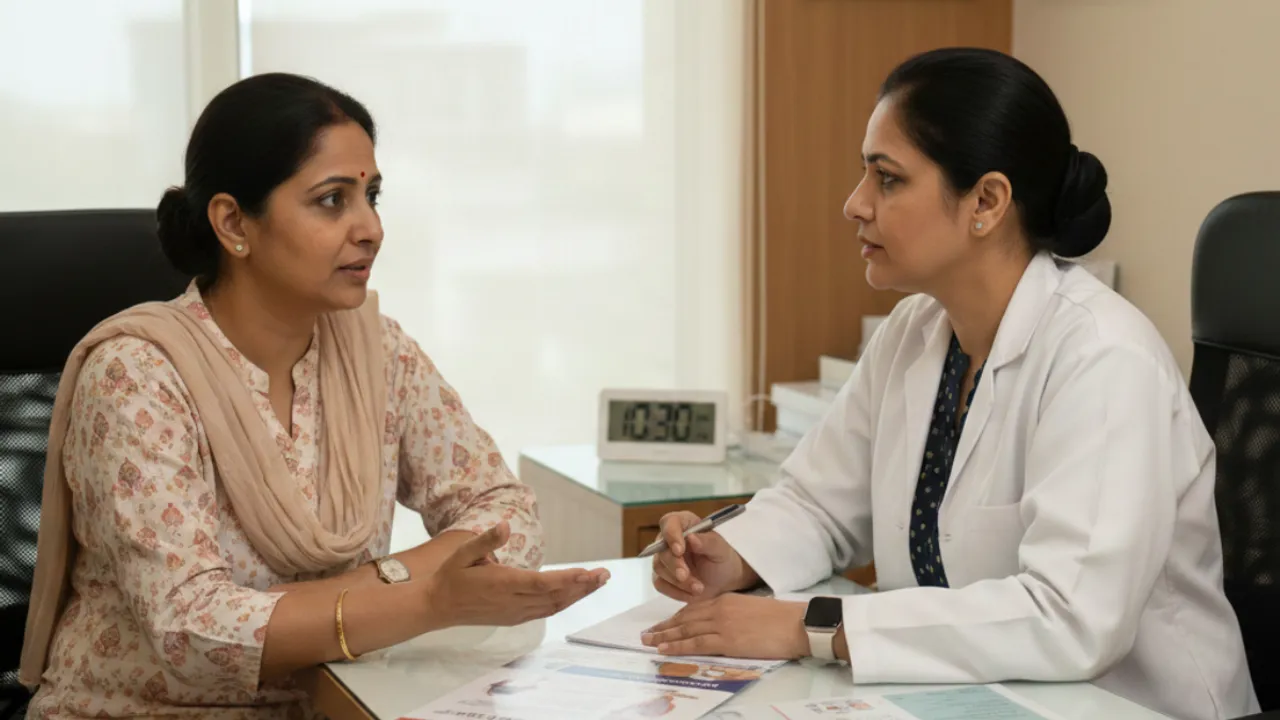
Menopause clinics are specialised medical facilities that provide comprehensive care, counselling, and screenings specifically tailored to women experiencing the physical and emotional changes of perimenopause and menopause. These clinics provide counselling and treatment for symptoms like hot flashes, mood swings, sleep disturbances, and long-term health risks such as osteoporosis and cardiovascular diseases. Menopause clinics have been recently introduced in India’s public health system with the government of Maharashtra taking the pioneering step in January 2026.
Menopause clinics are the need of the hour in India because of the high, often overlooked, burden of menopausal health issues, low awareness, social stigma, and the earlier onset of menopause in Indian women (average age 46-47) compared to the West.
Menopause clinics offer comprehensive care. These include gynaecological consultation, mental health counselling, and screenings for bone (osteoporosis) and heart health. Apart from these, the clinic also provides guidance on Hormone Replacement Therapy (HRT), non-hormonal treatments, and lifestyle modifications to improve quality of life.
These clinics focus on the 45–60 age group where “Empty Nest Syndrome” and other psychosocial challenges may set in.
Menopause clinics in Maharashtra
In a landmark move for women’s health policy in India, the Maharashtra government launched 510 dedicated menopause clinics across government hospitals and urban health centres in all 33 districts and 22 municipal corporations of the state in January this year.
According to state health officials, 8,901 women visited these clinics for medical consultations, screenings, counselling and treatment, within just two days of commencing operation. Many of these women received diagnostic tests, lifestyle guidance and referrals to specialists where needed, signalling broad demand for structured support at this stage of life.
“Menopause is not a disease but a natural phase in a woman’s life. However, women require strong physical and emotional support during this period,” said Meghna Bordikar, Maharashtra’s Minister of State for Public Health and Family Welfare.
Local women in Maharashtra who attended the clinics appreciated the care and attention which they received at these clinics. There are many women who revealed that before coming to these clinics they were unaware that symptoms they had long endured could be associated with menopause and successfully managed with medical support. Some women described the clinics as “a relief” and “a space to be heard,” particularly when they could speak openly about emotional stress alongside physical symptoms.
Health workers in the state also reported that their own understanding of menopause has improved through training linked to the programme.
Kerala follows Maharashtra’s footsteps
Following Maharashtra’s lead, the Kerala government has announced that it will establish specialised menopause clinics in district hospitals with an initial allocation of Rs 3 crore in the 2026 state budget.
Just like Maharashtra, Kerala’s proposed clinics will also offer medical consultations for menopausal symptoms, mental health counselling, screenings for heart, bone and hormonal health and medication and lifestyle advice from experts.
This initiative aims to recognise the physical and emotional impact of menopause, such as hormonal imbalance, sleep disorders, bone issues and stress, and aims to provide a one-stop support system for women across district hospitals.
Why more Indian states need menopause clinics?
Traditionally, public health in India has been fertility-centric. Menopause clinics fill the void in services for post-reproductive women, who are expected to grow to 401 million by end of 2026. Indian women experience menopause earlier (average 46.2 years) than Western women (average 51 years), often facing symptoms for longer. Studies show 75–85% of Indian women experience significant symptoms, yet around 35% do not seek medical care.
A 2022 survey showed 79% of women in India are uncomfortable discussing menopause. These clinics normalise the conversation and provide a safe space to speak about issues often dismissed as “just ageing”. Research indicates that around 2.2% of Indian women experience premature menopause (before 40) and 16.2% experience early menopause (40-44), caused by factors like stress, lifestyle, and high rates of hysterectomy.
As more women are part of the workforce, managing symptoms like “brain fog” and severe anxiety is essential to keep them engaged in the workforce, instead of dropping out due to unmanaged symptoms of menopause.
Long or Short, get news the way you like. No ads. No redirections. Download Newspin and Stay Alert, The CSR Journal Mobile app, for fast, crisp, clean updates!
App Store – https://apps.apple.com/in/
Google Play Store – https://play.google.com/store/