


What is PP405? Dermatologists Raise Safety Concerns Over Viral Hair Loss Treatment
The CSR Journal Magazine

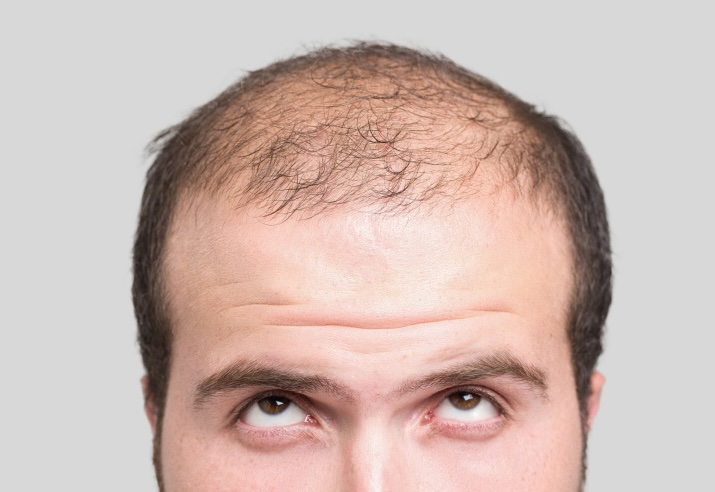
A new hair restoration treatment, known as PP405, is attracting significant attention on social media platforms like Instagram, where videos are viralizing it as a groundbreaking solution for hair loss. However, dermatologists urge caution, noting that substantial clinical support for the bold claims is currently lacking. As a result, it is deemed premature to evaluate the treatment’s safety and effectiveness comprehensively. In India, nearly 40 percent of men encounter hair loss by the age of 30, emphasizing the importance of valid medical solutions.

Understanding Hair Loss

Hair loss can represent a serious concern that may indicate underlying issues such as hormonal imbalances, autoimmune conditions, infections, or nutritional deficiencies. While available treatments can potentially slow hair loss or stimulate regrowth in certain circumstances, a definitive, long-lasting cure remains elusive. The pace of regulatory approvals for new solutions has been slow, and no new treatment has been authorized by the US Food and Drug Administration for male pattern baldness since 1997, highlighting the need for innovative therapies.

What is PP405?

PP405 is a topical treatment originating from the research conducted by scientists at the University of California, Los Angeles. Currently under evaluation in clinical trials by Pelage Pharmaceuticals, PP405 adopts a metabolic, hormone-free method to activate dormant hair follicles. It is in the early stages of testing (Phase 2a) and anticipated general availability remains several years away, though it is projected to enter Phase 3 trials by 2026.

Mechanism of Action

This topical gel aims to influence the metabolism of hair follicle stem cells, differing fundamentally from treatments like minoxidil that function through increased local blood circulation. PP405 promotes hair growth by stimulating stem cells within hair follicles, thereby revitalizing previously dormant areas and facilitating regeneration. Experts characterized it as a unique catalyst promoting the transformation of inactive hair follicles into growth-active ones.

Clinical Trials and Early Findings

The Phase II clinical trial demonstrated promising results, with data indicating that 31 percent of male participants experiencing severe hair loss saw a greater than 20 percent increase in hair density by the eighth week—four weeks post-treatment. The study involved 78 patients aged between 18 and 55 years, although the limited sample size highlights the necessity for more extensive investigations. Experts stated that while assessments of efficacy are currently unclear, there is hope that the trials could lead to effective solutions.

Prospective Advantages and Timeline

Pelage Pharmaceuticals has concluded that PP405 shows potential in accelerating hair regrowth compared to traditional treatments that can take up to a year before yielding noticeable results. While the underlying science appears established, the treatment has not yet been validated as a guaranteed remedy for hair loss. The completion of multiple clinical trial phases and the subsequent FDA approvals are essential prerequisites before it can be made accessible to the public. Anticipated FDA approval is projected between 2027 and 2029.

Long or Short, get news the way you like. No ads. No redirections. Download Newspin and Stay Alert, The CSR Journal Mobile app, for fast, crisp, clean updates!

App Store –  https://apps.apple.com/in/app/newspin/id6746449540 

Google Play Store – https://play.google.com/store/apps/details?id=com.inventifweb.newspin&pcampaignid=web_share

Latest News

Popular Videos
