


app-store-logo
play-store-logo
December 6, 2025

What Is Creatine Really Doing Inside Your Body? The Truth Behind the Hype
The CSR Journal Magazine

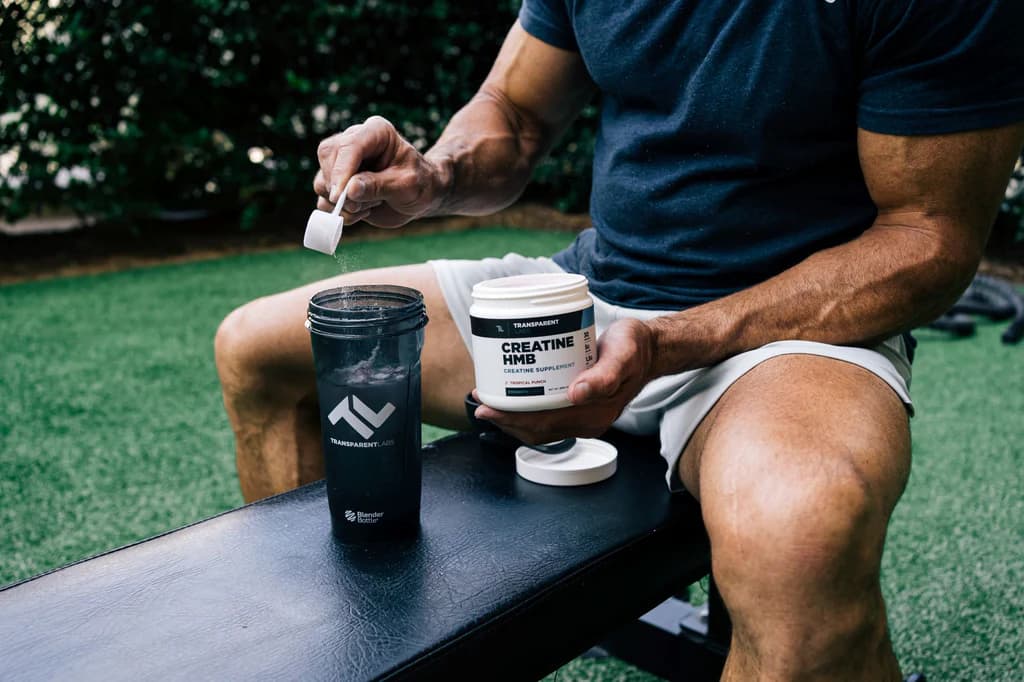
Creatine has become one of the most searched terms in the fitness and wellness world today. From school-going sports enthusiasts to seasoned athletes and even office-goers looking for better energy levels, people are turning to this simple white powder with remarkable interest. It is often marketed as a muscle-building supplement, but the science surrounding creatine reveals a much bigger picture.

Over the last decade, dozens of global studies have shown that creatine affects not just physical performance but also several key functions of the brain and body. As the trend grows, a natural question arises: what exactly is creatine doing inside us, and why is it becoming so popular?

What Creatine Actually Is and Why the Body Needs It

Creatine is a naturally occurring compound formed in the liver and stored mainly in the muscles. Our body uses it to produce ATP, the quick energy source needed for sudden movements such as sprinting or lifting weights. Although foods like fish and meat contain creatine, regular diets provide only one to two grams a day, which is far too little for enhanced performance. This gap is why supplementation became common.

A large review published in the Journal of the International Society of Sports Nutrition states that creatine monohydrate is the most researched and safest form available. The body absorbs it easily, and it increases phosphocreatine stores in the muscles, allowing faster energy recycling during high-intensity efforts.

How Creatine Works at a Cellular Level

Every time we move, the muscles break down ATP for energy. Once ATP is used, performance drops. Creatine steps in here by helping regenerate ATP almost instantly. This process makes the muscles stronger, quicker and more resistant to fatigue. Numerous studies, including a landmark analysis involving over 500 participants, have confirmed that creatine supplementation improves power output, strength and workout performance more consistently than any other legal supplement.

There is also emerging research showing that creatine plays a crucial role in brain energy systems. Since the brain consumes large amounts of ATP every second, creatine’s impact goes beyond physical ability.

Why Creatine Has Become a Trend Across All Age Groups

Creatine’s rise in popularity is driven by a combination of scientific validation, social media influence and real-world results. Fitness creators regularly show body transformation journeys supported by creatine use. Sports scientists report that it is one of the few supplements with decades of consistent research behind it. Young people consider it safe and accessible, while older adults view it as a tool to preserve muscle and energy as they age.

The sudden interest is also tied to the fact that creatine is inexpensive and requires no complicated routines. A daily dose of three to five grams can start showing results within weeks, which makes it appealing to beginners as well.

Benefits Beyond Muscle Growth: What Studies Say

Creatine may be known for muscle enhancement, but research shows that it influences several systems of the body.

One notable study from the University of Sydney reported improvements in short-term memory and intelligence test scores among young adults who took creatine for six weeks. These benefits were especially prominent in vegetarians, who naturally have lower creatine stores.

Another research paper published in Psychopharmacology observed that creatine supplementation helped reduce mental fatigue during demanding cognitive tasks. This suggests that the compound helps stabilise brain energy levels, similar to its effect on muscles.

Studies on older populations show equally promising results. A trial involving adults over 60 found that creatine improved muscle strength, balance and overall functional ability when combined with resistance training. This points to a possible role in slowing age-related muscle loss, a condition known as sarcopenia.

Research has also explored creatine’s role in mental health. A study from the University of Utah found that creatine, when used alongside antidepressants, improved treatment response in women suffering from depression. Though still under investigation, this could open new possibilities for creatine as a supportive therapy.

Creatine’s Potential Medical Applications

Beyond fitness, scientists are studying creatine for several health conditions. Some trials suggest it may help in neurological diseases like Parkinson’s by providing additional cellular energy, though conclusions remain mixed. There is ongoing research on creatine’s effect on traumatic brain injury recovery, as higher brain phosphocreatine levels may help prevent energy failure during injury.

Researchers are also examining whether creatine influences glucose metabolism, with early results indicating improvements in glucose tolerance in certain individuals. Although not yet medically approved for such uses, the findings highlight creatine’s deeper role in the body.

Side Effects and Safety: What Users Should Know

The most common side-effect of creatine consumption is water retention, as increased creatine in muscles pulls in more water. This is normal and often temporary. Some people may experience mild bloating or stomach discomfort, usually when the dosage is too high at once.

A comprehensive safety review published in Molecular and Cellular Biochemistry concluded that creatine does not damage the kidneys in healthy individuals. However, those with pre-existing kidney issues must consult a doctor before using it.

Long-term studies, some lasting up to five years, have shown no harmful effects when creatine is taken in recommended doses. The standard intake remains three to five grams daily, with no need for a loading phase for most people.

Why Creatine Appeals to People Beyond Athletes

Creatine’s simplicity is its strongest attraction. It does not produce dramatic or risky hormonal changes. It works slowly, steadily and predictably. Students find it useful for mental energy, fitness enthusiasts use it for better performance, and older adults benefit from improved strength and muscle retention.

What began as a bodybuilding aid has gradually transformed into a mainstream wellness supplement, supported by scientific evidence and everyday experience. As more studies unfold, creatine’s image is shifting from a gym-only product to a compound with potential benefits across physical, cognitive and long-term health.

Long or Short, get news the way you like. No ads. No redirections. Download Newspin and Stay Alert, The CSR Journal Mobile app, for fast, crisp, clean updates!

App Store –  https://apps.apple.com/in/app/newspin/id6746449540 

Google Play Store – https://play.google.com/store/apps/details?id=com.inventifweb.newspin&pcampaignid=web_share

Latest News

Popular Videos
