


What Are White, Blue, Pink and Grey Collar Jobs? Understanding New Job Classifications
The CSR Journal Magazine

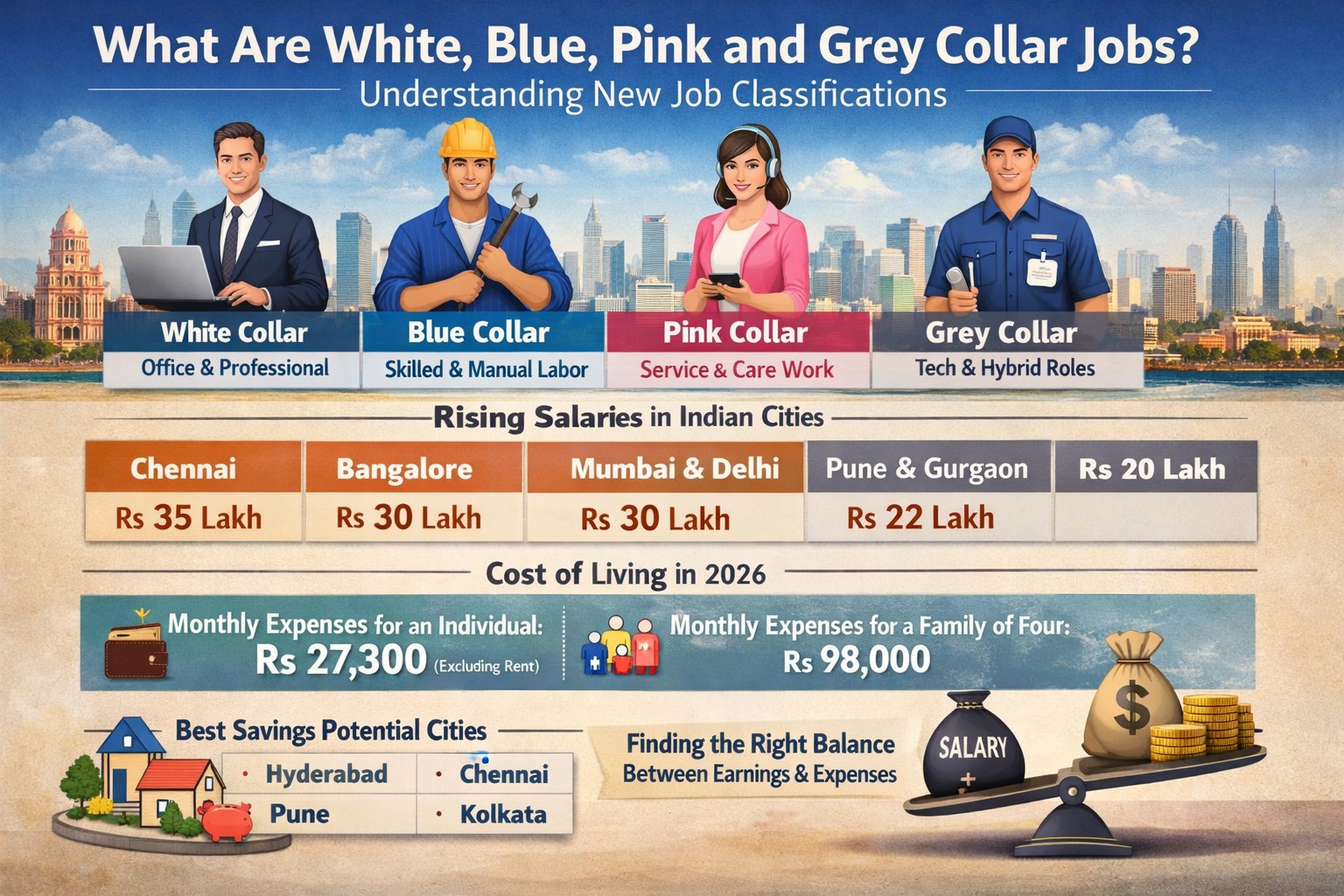
Historically, job classifications were simple, categorized predominantly into white collar and blue collar roles. White collar jobs encompassed office-based positions such as managers, engineers, and analysts, typically requiring formal education. In contrast, blue collar roles involved physical labor or skilled trades, including electricians, factory workers, and drivers, essential to everyday infrastructure. For many years, traditional career guidance in India prioritized the progression from blue to white collar positions; however, this linear approach has shifted significantly.

The Advent of Pink Collar Jobs

Pink collar professions have emerged to define roles primarily in the service sector, especially those traditionally held by women. These positions include nurses, teachers, caregivers, and hospitality staff, all of which necessitate interpersonal skills, emotional intelligence, and communication proficiency alongside technical capabilities. The perception around pink collar jobs has evolved, with increasing respect and better remuneration following the growing demands in sectors like healthcare and education. Urban centers are witnessing substantial growth in early childhood education and elder care services, creating more stable job opportunities.

The Rise of Grey Collar Employment

Grey collar jobs represent a blend of white and blue collar roles, featuring positions that require technical expertise and some formal training, though not necessarily a conventional degree. Examples include technicians, paramedics, and IT support staff who utilize both manual and cognitive skills to perform their duties. In India, this category is gaining traction as industries integrate more technology, demanding workers capable of managing technical systems and adapting swiftly. The emphasis on skill-based hiring has highlighted these roles, which often provide competitive salaries without the necessity of lengthy university education.

Significance of Evolving Job Classifications

The distinction among job categories is increasingly relevant as the professional landscape transforms. Factors such as gig employment, automation, and the rise of artificial intelligence are blurring traditional boundaries. For instance, modern delivery riders manage digital workflows, while educators expand their reach through online course offerings. The once established hierarchy, favoring white collar over other categories, is shifting, with blue and grey collar roles in logistics and manufacturing experiencing increased demand and pay. Furthermore, pink collar employment is gaining recognition as vital in the wake of the pandemic.

Navigating Your Place in the Job Market

For students and job seekers, the current employment landscape prompts a shift in focus from job titles to skills. It is crucial to assess the requirements of a job—whether they are technical, physical, emotional, or a combination thereof. Careers that demonstrate stability today often merge various skill sets. In a fluctuating job market, adaptability has become paramount, as the distinctions between pink, blue, white, and grey collar roles are likely to continue to diminish. This evolution reflects a dynamic shift in how work is perceived and valued.

Long or Short, get news the way you like. No ads. No redirections. Download Newspin and Stay Alert, The CSR Journal Mobile app, for fast, crisp, clean updates!

App Store –  https://apps.apple.com/in/app/newspin/id6746449540 

Google Play Store – https://play.google.com/store/apps/details?id=com.inventifweb.newspin&pcampaignid=web_share

Latest News

Popular Videos
