


What Are Ghost Forests? How Climate Change is Transforming Coastal Ecosystems
The CSR Journal Magazine

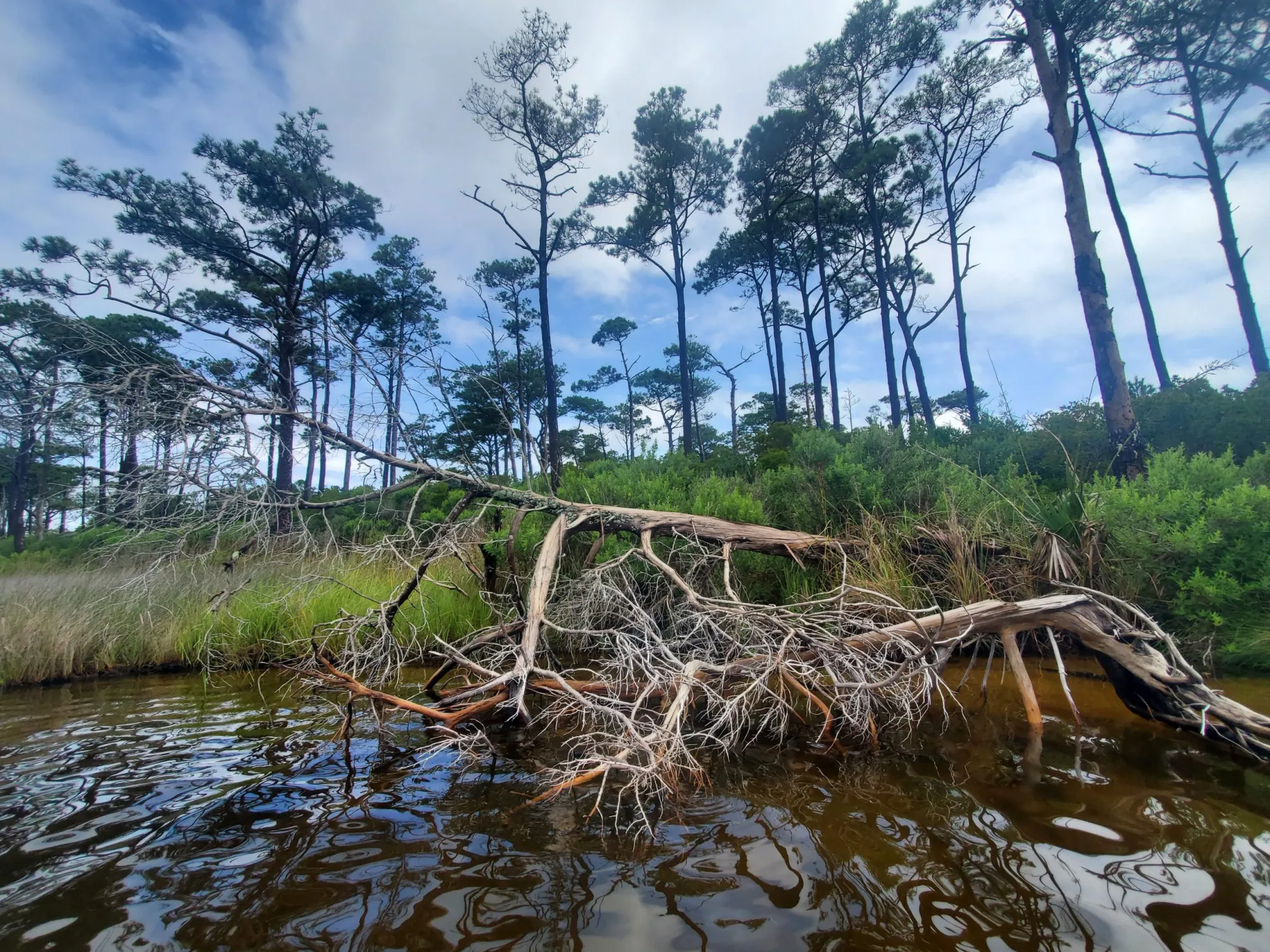
Emerging research on “ghost forests” along coastlines is revealing vital insights into how Earth’s ecosystems are reacting to climate change and potential conservation strategies. These ghost forests, formed due to rising sea levels and saltwater intrusion, are becoming increasingly prevalent, particularly along the eastern coastline of the United States. Once sprawling with vibrant greenery, these areas now display clusters of gray, lifeless trunks, marking a stark visual representation of environmental change.

Scientific Investigations into Ecosystem Functioning

A research team at the University of Delaware is delving into the underlying functional dynamics of these deteriorating ecosystems. Their findings were shared at the American Chemical Society Spring 2026 Meeting, a significant event showcasing extensive research initiatives. According to a student in environmental engineering involved in this study, ghost forests are powerful indicators of climate change. She emphasized the stark difference between thriving inland forests and the declining ones near the coast, where increasing sea levels gradually degrade salt-sensitive plant life.

Research Focuses on Stemflow Effectiveness

The study highlights a less recognized yet critical process known as “stemflow,” which is the movement of rainwater down tree trunks that transports nutrients to the soil. By investigating stemflow in sweetgum trees, the research team compared healthy specimens with stressed and dead ones. The results demonstrate a concerning trend where dead and dying trees permit significantly reduced stemflow to reach the ground. Instead, these deteriorating trees absorb more water, essentially obstructing the flow of nutrients and organic carbon vital for the surrounding soil ecosystem.

Implications of Findings on Forest Ecosystems

Researcher Yu-Ping Chin explained that deceased trees behave like sponges, hindering the nutrient flow essential not only for the trees themselves but also for the entire forest ecosystem. The findings additionally highlighted elevated sugar concentrations in the stemflow from stressed and dying trees, potentially impacting soil microbial communities and triggering broader ecological consequences for moss, plants, and various organisms relying on balanced nutrient systems.

Importance of Coastal Forests in Carbon Storage

These subterranean alterations are crucial, given that coastal forests play a significant part in carbon storage. Any disruption in nutrient and water transfer could diminish this capacity, propelling climate change forward. Researchers are optimistic that understanding these mechanisms will enable predictions regarding which forests are most at risk as sea levels continue to rise and will inform protective strategies.

Future Directions and Research Insights

A student in environmental engineering involved in this study stressed the significance of stemflow as an important channel for nutrient transport, urging that this aspect should not be neglected, especially in fragile ecosystems. As ghost forests proliferate, they may serve not only as warnings but also as potential avenues for solutions in the battle against a warming planet.

Long or Short, get news the way you like. No ads. No redirections. Download Newspin and Stay Alert, The CSR Journal Mobile app, for fast, crisp, clean updates!

App Store –  https://apps.apple.com/in/app/newspin/id6746449540 

Google Play Store – https://play.google.com/store/apps/details?id=com.inventifweb.newspin&pcampaignid=web_share

Latest News

Popular Videos
