


Virat Kohli Chooses Vegan Tattoo; Experts Weigh In on Ink Safety
The CSR Journal Magazine

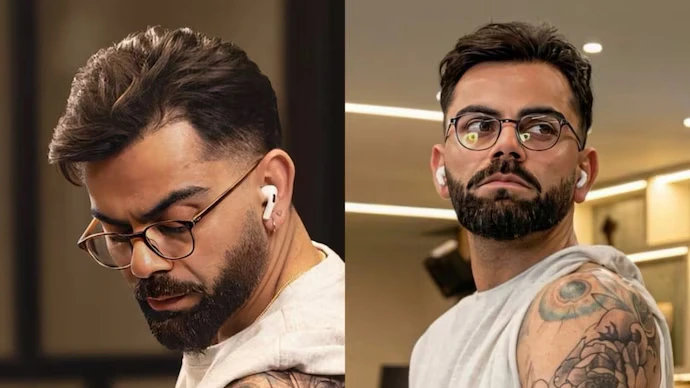
The recent decision by cricketer Virat Kohli to get a vegan tattoo has reignited discussions about the safety of different types of tattoo inks. Vegan inks are often marketed as better options for those concerned with the ethical implications of traditional ink, as they do not contain any animal-derived substances and are not tested on animals. These inks are typically composed of plant-based or synthetic materials, available in a wide range of colors, and are designed to meet modern consumer preferences.

Conversely, conventional inks, whether black or colored, may include animal-derived ingredients and might not adhere to cruelty-free testing standards. One noteworthy brand in the vegan tattoo ink market is Quantum Ink, known for its premium quality and formulation. Artists recommend it for being vegan and cruelty-free, incorporating ingredients such as olive oil, cocoa butter, and rosehip oil, and it is also free from acrylic. Tattoos made with Quantum Ink can reportedly remain vibrant for three to four years with adequate care.

Perspectives from Tattoo Artists

Tattoo artists point out that newer inks like Quantum Ink cater to consumers looking for safer, more skin-friendly options. They emphasize the benefits of ingredients used in vegan inks and state that these products are lab-tested to ensure safety. Proper aftercare, they note, plays a crucial role in the longevity of the tattoo, reinforcing the appeal of vegan inks to health-conscious individuals.

Insights from Dermatology Experts

Dermatologist Dr. Deepali Bhardwaj presents a balanced view of the trend towards vegan tattoos. She acknowledges that much of the conversation surrounding vegan inks centers on consumer perception rather than significant health benefits. According to Dr. Bhardwaj, there is little difference between traditional black ink tattoos and vegan options, asserting that personal skin sensitivity is often a more relevant concern. She also mentions that there is no established link between tattoos and skin cancer risk, emphasizing that choosing vegan ink is a personal preference rather than a medically necessary decision.

Experts affirm that the essentials affecting tattoo safety include skin sensitivity, ink quality, hygiene practices during the tattooing process, and post-care measures. Although the label ‘vegan’ can influence public perception, it does not necessarily mitigate all associated risks. The shift towards using vegan inks like Quantum Ink may illustrate a growing demand for conscious consumerism, yet dermatologists remind individuals that the fundamental aspects of safe tattooing hinge on quality, care, and individual reactions rather than merely the type of ink used.

The Broader Conversation on Tattoo Choices

As the discussion surrounding tattoo inks continues, it highlights a broader trend towards informed choices in personal care and artistry. While Vegan inks are becoming increasingly popular, the distinction in terms of health and safety may be less pronounced than anticipated. The tattoo industry remains vigilant about evolving standards, with a strong emphasis on consumer education and safety, ensuring that clients can make informed choices that align with their values and health considerations.

Long or Short, get news the way you like. No ads. No redirections. Download Newspin and Stay Alert, The CSR Journal Mobile app, for fast, crisp, clean updates!

App Store –  https://apps.apple.com/in/app/newspin/id6746449540 

Google Play Store – https://play.google.com/store/apps/details?id=com.inventifweb.newspin&pcampaignid=web_share

Latest News

Popular Videos
