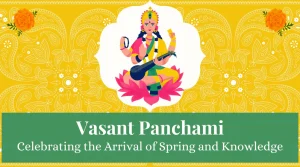

Vasant Panchami doesn’t announce itself with thunder or grand spectacle. It arrives quietly—almost shyly—like the first warm breeze after a long winter. One morning, the sun feels gentler on the skin, the sky looks clearer, and somewhere between the cold nights and brighter days, spring begins to settle in. This is the moment Vasant Panchami captures: the promise of change, growth, and new beginnings.
Celebrated across India, the festival marks the arrival of spring and honours Goddess Saraswati, the divine source of knowledge, creativity, and wisdom. But beyond rituals and colours, Vasant Panchami is deeply emotional—it is about hope returning, about learning being cherished, and about life gently moving forward.
A Season That Feels Like Relief
After months of heavy shawls and slow mornings, Vasant Panchami feels like relief. Farmers notice it in their fields first—mustard crops blooming into endless stretches of yellow, signalling prosperity and abundance. Children feel it in longer afternoons and lighter uniforms. Adults sense it in the way days suddenly feel less exhausting.
Spring in India is not just a season; it is a mood. Vasant Panchami celebrates that mood—the quiet happiness of knowing that warmth, colour, and life are returning.
Saraswati: The Goddess Who Lives in Everyday Life
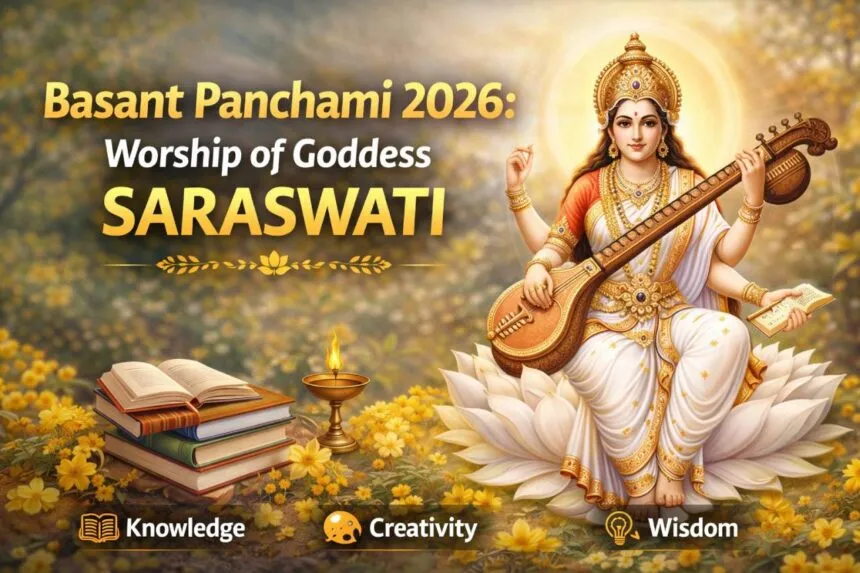
On Vasant Panchami, Goddess Saraswati is not worshipped as a distant deity. She feels present—in classrooms, music rooms, libraries, and homes. She represents the teacher who believed in us, the book that changed our thinking, and the art that gave us a voice.
Dressed in white, symbolising clarity and truth, Saraswati reminds us that knowledge is not about marks or medals alone. It is about curiosity, discipline, and the courage to keep learning. On this day, students bow their heads not in fear, but in gratitude.
Why Everything Turns Yellow
Yellow takes over the day—clothes, flowers, sweets, and even smiles. It mirrors the mustard fields swaying under the sun and the brightness that spring brings into everyday life. Yellow stands for optimism, creativity, and awakening.
Families prepare traditional dishes touched with saffron or turmeric, neighbours greet each other in yellow attire, and the world feels warmer—not just in colour, but in spirit. It is as if everyone agrees, silently, to choose hope for a day.
When Books Are Worshipped
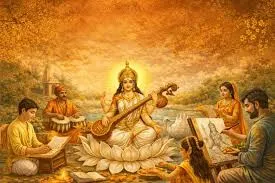
Perhaps the most touching tradition of Vasant Panchami is the worship of books and musical instruments. Children place their textbooks before the goddess. Musicians clean and honour their instruments. Artists pause their work.
For one day, learning rests. This pause is powerful—it reminds us that knowledge deserves respect, patience, and humility. It teaches children that education is sacred, not a burden, and that creativity is something to be honoured, not rushed.

A Day Meant for Beginnings
Vasant Panchami is believed to be especially auspicious for starting something new. Many parents choose this day for a child’s first letters during Vidyarambh. New businesses, creative projects, and even life decisions are often initiated now.
The belief is simple yet comforting: if you begin when nature itself is beginning again, the journey will be smoother.
When Nature and People Celebrate Together
Look around on Vasant Panchami, and you’ll notice how closely human joy mirrors nature. The skies look brighter, flowers bloom freely, and birds seem louder than usual. It feels as if the world is quietly cheering us on.
More Than a Festival
Vasant Panchami is not loud, dramatic, or overwhelming. It is gentle, thoughtful, and deeply meaningful. It reminds us that growth does not always happen overnight, that learning is lifelong, and that even the softest change can bring the brightest colour.
Like spring itself, Vasant Panchami teaches us to move forward—with grace, gratitude, and hope.