


US Troops Withdraw From Iraq, Concluding 12-Year Anti-ISIS Operation
The CSR Journal Magazine

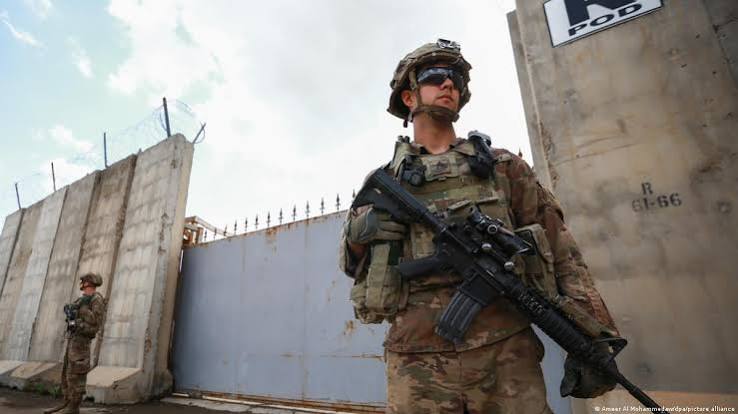
The US military announced on Wednesday that it has successfully completed the withdrawal of its troops from Iraq, thereby concluding a 12-year mission aimed at combating the Islamic State group. The final contingent of American soldiers departed from the air base in Irbil, located in northern Iraq. This move has been interpreted by Baghdad as a demonstration of the country’s increasing strength and autonomy.

Iraqi Prime Minister Ali al-Zaidi oversaw the handover event, with him characterising the withdrawal as the initiation of a “new phase.” He emphasised the importance of Iraq’s sovereignty, the robustness of its institutions, the preparedness of its security forces, and the unity in decision-making. Al-Zaidi highlighted the need for balanced partnerships with Iraq’s allies.

Regional Reactions and Security Concerns

While some Iran-backed groups expressed approval of the exit, there are rising apprehensions among segments of the Iraqi populace, particularly in the Kurdish region, regarding potential security ramifications. Reports indicate that US troops had previously withdrawn from various bases throughout Iraq last year, leaving a minimal number of soldiers stationed in the Kurdish area. These bases have been subject to frequent attacks amid ongoing tensions involving the US and Iran.

Notably, Pentagon spokesperson Sean Parnell described the withdrawal as an “orderly departure,” stating that it signals the success of the campaign to eliminate ISIS as a substantial military threat within Iraq and neighbouring regions. He further indicated that this transition paves the way for an Iraqi-led security framework, with the United States now transitioning to a more standard bilateral security partnership.

The Iraqi government had initially set a deadline of September 30 for the disarmament of non-state armed groups, linked to the US withdrawal. However, various influential militia factions, particularly those aligned with Iran, outright rejected this condition, resulting in subsequent adjustments to this timeline, extending it to June 2027.

Impact on Kurdish Region and Future Relations

Officials from Iraq’s Kurdish region have voiced concerns about the implications of the US military exit, particularly due to the removal of American air defence capabilities. The Peshmerga Ministry reported that the region had undergone over 1,000 drone and missile attacks amid rising tensions in the region, further raising alarms about security following the US withdrawal.

Statements from Iran-aligned groups within Iraq hailed the US departure as a significant victory. Abu Mujahid al-Assaf, a security officer affiliated with the Kataib Hezbollah militia, claimed that the expulsion of US forces marks the beginning of complete sovereignty for Iraq. He also issued a warning to Prime Minister al-Zaidi against implementing plans perceived to be in favour of American interests, stressing that any government failing to prioritise the welfare of its citizens risks being overthrown.

As the US concludes its latest military operation in Iraq, the situation remains complex. While Baghdad views the withdrawal as a step towards full sovereignty, Kurdish authorities express ongoing security worries. Meanwhile, Iranian-backed militias celebrate the move as a significant achievement, underscoring the contrasting narratives surrounding this pivotal moment in Iraq’s political landscape.

Long or Short, get news the way you like. No ads. No redirections. Download Newspin and Stay Alert, The CSR Journal Mobile app, for fast, crisp, clean updates!

App Store –  https://apps.apple.com/in/app/newspin/id6746449540 

Google Play Store – https://play.google.com/store/apps/details?id=com.inventifweb.newspin&pcampaignid=web_share

Latest News

Popular Videos
