


US To Return Three Stolen Chola-Era Antiquities To India After Provenance Probe
The CSR Journal Magazine

Three invaluable antiquities, including a rare Shiva Nataraja bronze, are set to be returned to India from the Smithsonian’s National Museum of Asian Art following detailed investigations that confirmed they had been illegally removed from temple sites in Tamil Nadu.

The repatriation was formalised through an agreement signed in Washington DC between India’s Deputy Chief of Mission, Ambassador Namgya Khampa, and the museum’s Director, Dr Chase Robinson, marking another milestone in global efforts to return stolen cultural heritage.

Provenance Probe Confirms Illegal Removal

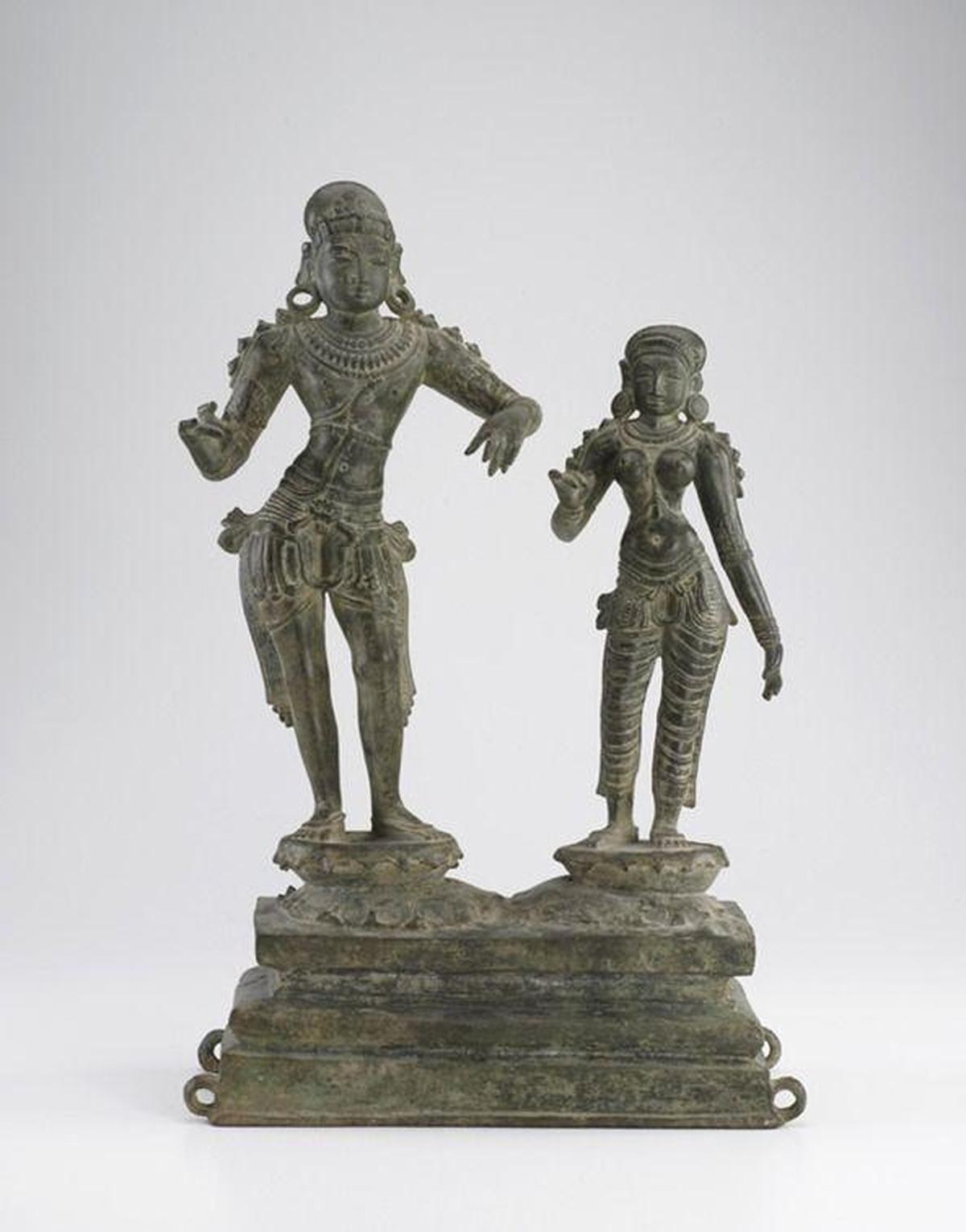
The objects identified for return include a 9th-century Shiva Nataraja bronze from the Chola period, a 12th-century Somaskanda sculpture depicting Shiva and Uma, and a 16th-century sculpture of Saint Sundarar with Paravai from the Vijayanagar period.

A comprehensive provenance review by the Smithsonian established that all three artefacts had been unlawfully removed from temple settings in Tamil Nadu. The investigation drew on archival photographs from the French Institute of Pondicherry, which showed the sculptures in situ between 1956 and 1959.

These findings were corroborated by the Archaeological Survey of India, which confirmed that the objects had been taken in violation of Indian heritage protection laws. The probe also uncovered evidence of falsified documentation used in the international art market to facilitate their sale.

Sacred Heritage With Artistic Significance

The artefacts are not only historically significant but also deeply rooted in religious tradition. Originally consecrated temple objects, they were used in ritual processions and hold immense spiritual value.

The Shiva Nataraja bronze, believed to date back to around 990 CE, originated from the Sri Bhava Aushadesvara Temple in Tanjavur district and was photographed there in 1957. It was later acquired by the museum in 2002 through a New York gallery.

The Somaskanda and Saint Sundarar sculptures entered the museum’s collection in 1987 as part of a donation, but subsequent research traced their origins to temples in Alattur and Veerasolapuram villages.

Return Marks Continued Repatriation Efforts

As part of the agreement, the Shiva Nataraja bronze will remain on long-term loan at the Smithsonian, allowing it to continue being displayed to the public while acknowledging India’s ownership.

Officials said the return was made possible through collaboration between the museum’s provenance research team, curators, international institutions, and Indian authorities.

The development reflects a broader global shift towards addressing historical injustices in the art world, with museums increasingly reviewing collections and facilitating the return of culturally significant objects to their countries of origin.

For India, the repatriation represents not just the recovery of stolen artefacts, but the restoration of a vital part of its cultural and spiritual heritage.

Long or Short, get news the way you like. No ads. No redirections. Download Newspin and Stay Alert, The CSR Journal Mobile app, for fast, crisp, clean updates!

App Store –  https://apps.apple.com/in/app/newspin/id6746449540 

Google Play Store – https://play.google.com/store/apps/details?id=com.inventifweb.newspin&pcampaignid=web_share

Latest News

Popular Videos
