


app-store-logo
play-store-logo
December 13, 2025

US States Challenge Trump’s $100,000 H-1B Visa Fee in Court Battle
The CSR Journal Magazine

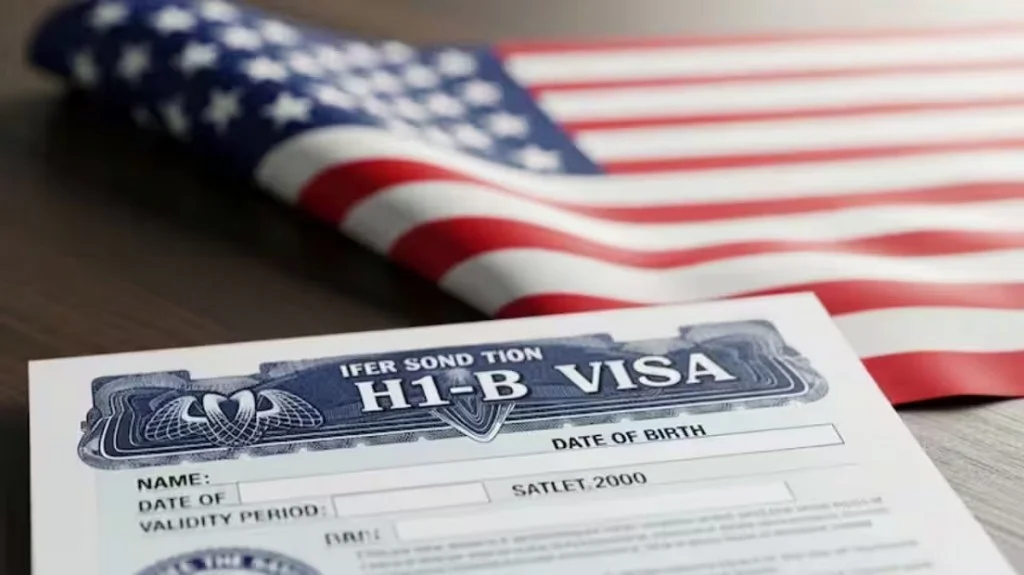
Twenty American states have launched a big court case against President Donald Trump’s new $100,000 fee on H-1B visa applications. This fee, announced in September 2025, applies to new petitions filed after 21 September and targets skilled foreign workers, many from India. Led by California Attorney General Rob Bonta and Massachusetts AG Andrea Joy Campbell, the lawsuit filed in a Massachusetts federal court says the policy breaks federal law and hurts key services like schools and hospitals. The states argue that the Trump administration overstepped by ignoring Congress’s power to set immigration fees and skipped proper rulemaking steps required under the Administrative Procedure Act. Current fees for H-1B petitions range from $960 to $7,595, meant only to cover real processing costs, making the new charge seem arbitrary and excessive.​

This is at least the third lawsuit against the fee, with the US Chamber of Commerce also challenging it separately. The presidential proclamation gives the Homeland Security Secretary power to grant exemptions, but bars new H-1B holders from entering the US unless their employer pays up. Critics say this move aims to protect American jobs but could drive away talent needed in tech, education, and healthcare. The White House defends it as a legal use of presidential power to stop programme abuse.​

Legal Grounds of the Challenge

The states claim the fee violates the US Constitution by letting the executive branch grab Congress’s role in setting revenue fees. “No president can ignore Congress, the Constitution, or the law,” Bonta said at a San Francisco press meet. They point out that federal law limits immigration fees to actual administrative costs, and the $100,000 sum has no link to that. The lawsuit accuses the administration of acting without public notice or comment periods, making it “arbitrary and capricious” under law.​

All 20 suing states are led by Democratic attorneys general, including New York, Illinois, Washington, New Jersey, and Maryland. Maryland AG Anthony Brown called it an “unlawful new $100K fee” that threatens public needs. A hearing in the Chamber of Commerce case is set soon, which could speed up decisions on the main fight.​

The policy stems from Trump’s 19 September proclamation restricting certain nonimmigrant workers. It hits hardest those exempt from the 65,000 annual H-1B cap, like universities and non-profits. Employers must now pay the huge sum per new visa, risking staff shortages.​

Blow to Schools and Hospitals

Education faces a major hit, with 74 per cent of US school districts already struggling to fill posts in the 2024-2025 year, especially special education and science. Teachers form the third biggest group of H-1B holders, with nearly 30,000 on these visas. Rural schools, short on local talent, warn of closures or service cuts without foreign educators.​

Healthcare is in even worse shape. About 17,000 H-1B visas went to medical jobs in fiscal 2024, half to doctors and surgeons. The US expects an 86,000-doctor shortage by 2036, worst in rural and poor areas. Hospitals say the fee could force hiring unqualified staff or shutting wards, devastating communities reliant on immigrant doctors.​

For Indian professionals, this is alarming as they make up over 70 per cent of H-1B approvals. Firms like those in Mumbai’s IT hubs send thousands yearly, but the fee could end that flow, hitting bilateral ties and US innovation.​

Economic and Wider Fallout

Tech giants and other businesses decry the fee as a barrier to skilled labour, slowing growth in AI, engineering, and more. The Chamber of Commerce argues it harms the economy by scaring off global talent. States say public employers cannot afford it, leading to higher taxes or service slashes.​

Supporters claim it stops wage undercutting and reserves jobs for Americans. Yet data shows H-1B workers fill real gaps, boosting output. The court fight could reshape immigration rules, testing presidential limits versus Congress.​

Road Ahead for the Case

With cases piling up, a quick ruling seems likely. If courts strike the fee, it eases pressure on sectors; if not, chaos looms for 2026 hiring. For India, watching closely, this underscores US policy swings affecting thousands of dreams. The battle highlights deep divides on immigration in Trump’s second term

Long or Short, get news the way you like. No ads. No redirections. Download Newspin and Stay Alert, The CSR Journal Mobile app, for fast, crisp, clean updates!

App Store –  https://apps.apple.com/in/app/newspin/id6746449540 

Google Play Store – https://play.google.com/store/apps/details?id=com.inventifweb.newspin&pcampaignid=web_share

Latest News

Popular Videos
